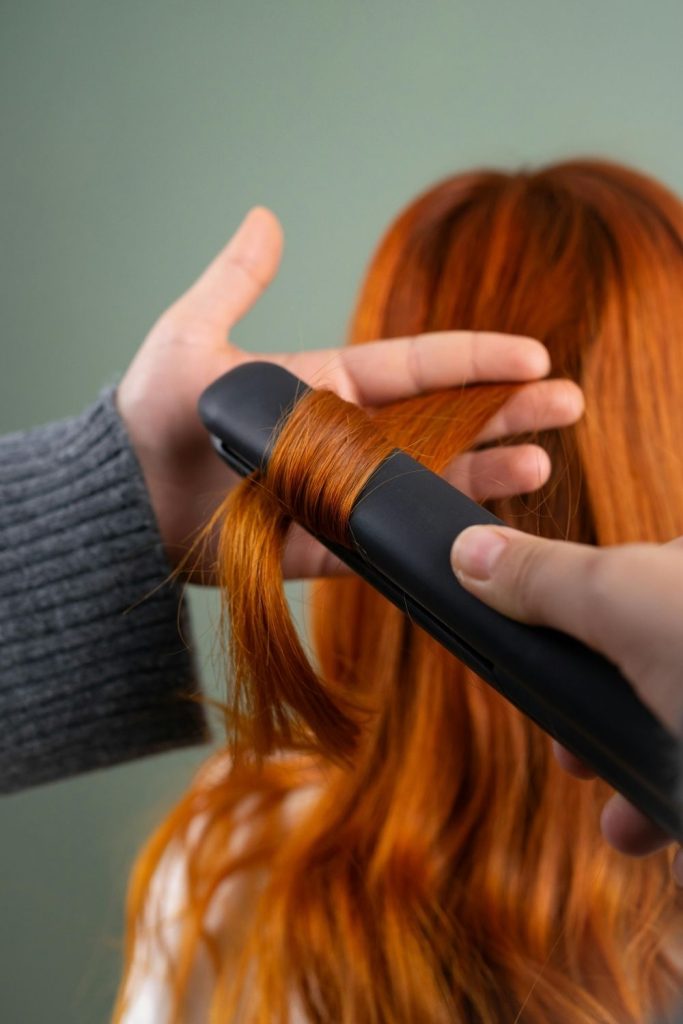
Laser hair removal is one of the most effective long-term solutions for unwanted hair. Most people see an 80-90% reduction after completing a full series of 6-12 sessions, which is a significant result by any measure.
That said, how long results actually last depends on several personal factors. Skin type, hair color, and genetics all play a role in determining whether your results hold for years or need occasional maintenance.
Some people go years without needing any touch-ups at all. Others find that scheduling a yearly session keeps everything looking smooth and consistent.
The science behind it comes down to hair growth cycles. Since laser targets follicles in active growth phases, understanding your own hair behavior can help set realistic expectations from the start.
Also read: How to Remove Hair Dye From Skin: 10 Quick and Gentle Methods
How Long Do Laser Hair Removal Results Actually Last?

Because laser hair removal targets hair in its active growth phase, results don’t happen overnight. They unfold gradually over several months. Most people see significant hair reduction after 6-12 treatment sessions spaced 4-8 weeks apart.
The longevity of results varies considerably. Some individuals enjoy permanent hair reduction lasting years, while others experience regrowth requiring maintenance sessions annually. Factors influencing durability include skin type, hair color, and hormonal fluctuations.
Dark hair responds most effectively to laser treatment. Fair or gray hair proves more challenging. Results plateau after completing the full treatment series, with approximately 80-90% reduction in treated areas.
Maintenance appointments every 6-12 months help preserve results.
Professional-grade systems like Candela and Cynosure deliver superior outcomes compared to at-home devices, offering consistent, long-lasting hair reduction that clients consistently prefer.
Why Hair Grows in Cycles
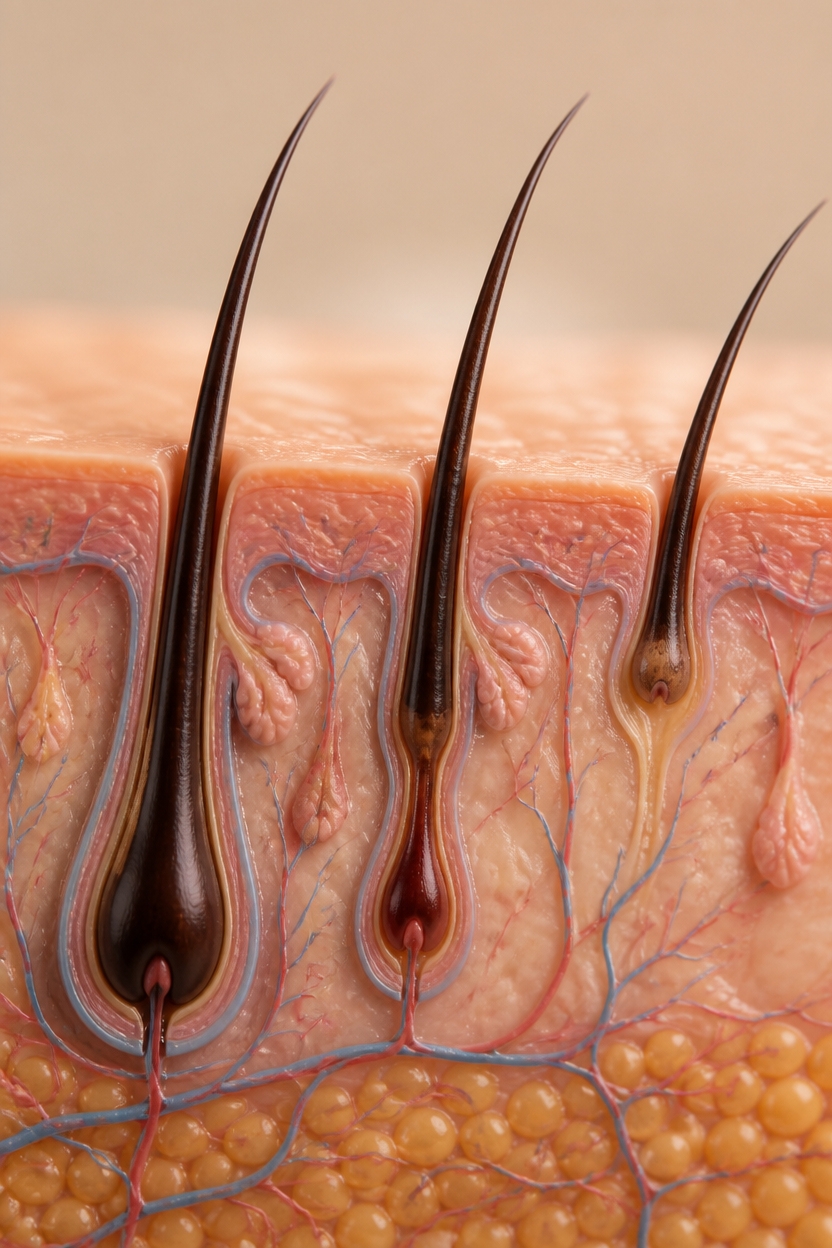
Every hair follicle on the human body operates on its own biological schedule, moving through distinct phases that determine when strands grow, rest, and shed. Hair exists in three cycles: anagen, catagen, and telogen.
During anagen, the active growth phase, hair cells divide rapidly. This phase lasts two to seven years.
Catagen follows, a brief two-week changeover where growth stops. The follicle shrinks and detaches from blood supply.
Telogen is the resting phase. Hair remains dormant for three months before shedding. Not all hair enters these phases simultaneously. Approximately 85 percent of scalp hair grows actively while 15 percent rests.
This staggered cycle explains why laser treatments require multiple sessions. Lasers effectively target only actively growing hair.
Understanding these cycles helps patients achieve ideal results through properly timed treatments.
Why Laser Hair Removal Needs Multiple Sessions
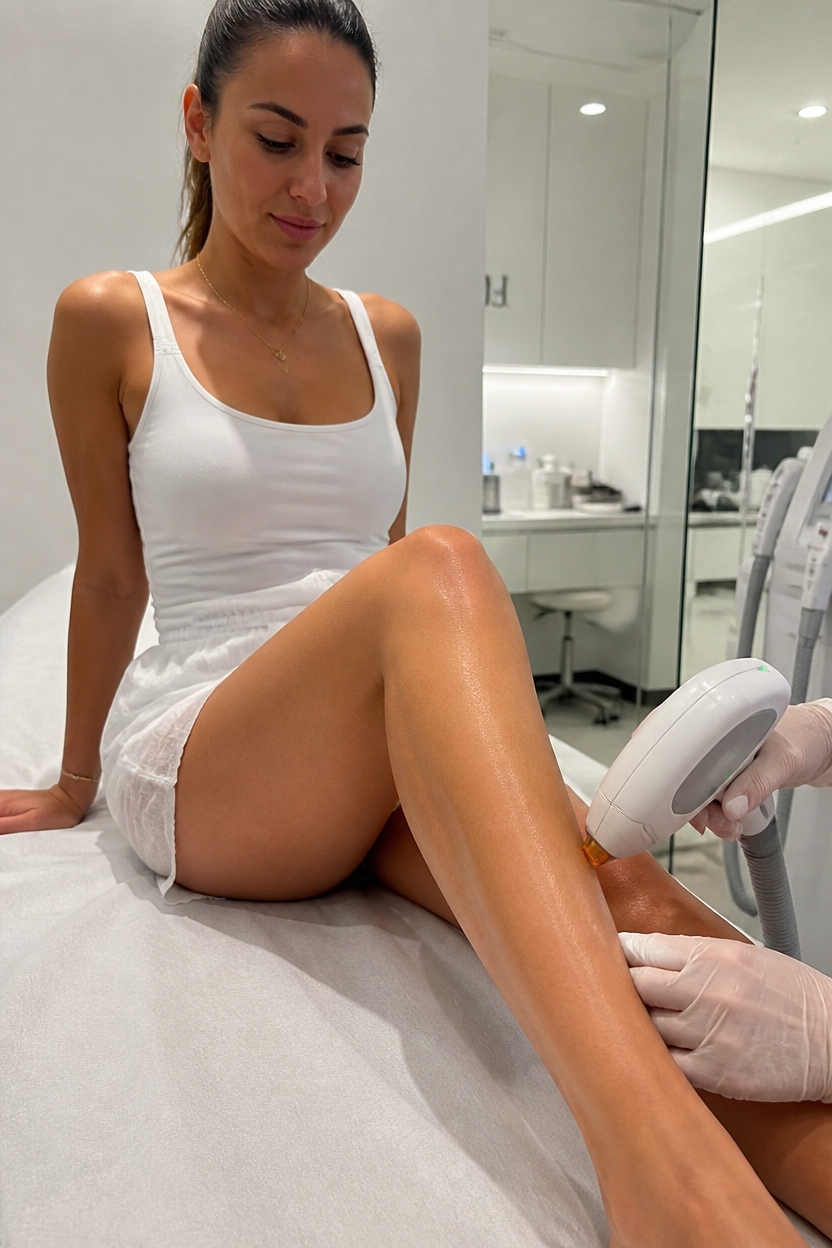
The staggered nature of hair growth cycles necessitates multiple laser treatment sessions to achieve extensive results. At any given time, only 20-30% of hair follicles remain in the active growth phase where laser energy proves most effective.
Dermatologists recommend spacing treatments 4-6 weeks apart, allowing dormant hairs to enter their vulnerable stage. Each session targets progressively more follicles as they cycle through growth phases.
Most patients require 6-8 appointments for ideal hair reduction in areas like underarms and bikini lines, while coarser regions may demand additional treatments.
Sessions gradually diminish hair density and thickness rather than eliminating everything immediately. This systematic approach guarantees thorough coverage.
Professional-grade devices from Candela or Lumenis deliver consistent results when administered on proper schedules, maximizing follicle destruction across complete growth cycles.
What Happens After Your First, Second, and Final Sessions
Immediately following a laser hair removal session, patients experience predictable physical responses that signal the treatment’s effectiveness. Mild redness and slight swelling typically subside within hours.
The skin requires diligent sun protection using SPF 30 or higher for two weeks post-treatment.
After the second session, patients notice considerably reduced hair growth in treated areas. Hair that does regrow appears noticeably finer and lighter.
Dermatologists recommend spacing treatments four to six weeks apart for ideal results.
Skin Type, Hair Color, and Laser Technology: What Actually Affects Results
Why do some patients achieve dramatically smoother skin after three sessions while others require six or more treatments? The answer lies in three fundamental factors: individual skin type, natural hair pigmentation, and the specific laser technology employed during treatment.
Darker hair absorbs laser energy more efficiently than lighter strands. Patients with black or dark brown hair typically see faster results. Conversely, blonde, red, or gray hair responds poorly to most lasers since these colors lack sufficient melanin absorption capacity.
Skin tone greatly impacts safety and efficacy. Lighter skin types allow deeper laser penetration without complications. Darker skin requires specialized equipment like Nd:YAG lasers to prevent unwanted pigmentation changes.
Advanced laser systems, including diode and alexandrite technologies, offer superior customization.
Treatment outcomes depend ultimately on matching the right technology to individual characteristics.
Which Laser Types Last Longest?
Understanding how different laser technologies perform over time requires examining their fundamental mechanisms and clinical longevity data.
Alexandrite lasers penetrate deeper into skin layers, delivering results lasting 6-12 months consistently. Nd:YAG technology works effectively on darker skin types with comparable longevity. Diode lasers target hair follicles precisely, often providing 8-10 month results.
Candela’s GentleMax Pro alexandrite system ranks among the longest-lasting options available today. IPL (intense pulsed light) treatments typically fade faster, requiring maintenance every 4-6 weeks. Picosecond lasers represent emerging technology with extended effectiveness claims.
Alexandrite remains the gold standard for sustained hair reduction across diverse skin tones. Results ultimately depend on individual hair growth cycles, hormonal factors, and treatment consistency rather than laser type alone.
Your Touch-Up Schedule: Timing and Frequency
Most clients discover that laser hair removal requires a strategic maintenance plan rather than a one-time solution.
Initial results appear after four to six weeks, with complete hair shedding occurring over two to three months.
Touch-up sessions typically occur every six to twelve months, depending on individual hair growth cycles and skin type.
Factors like hormonal changes, medication, and genetics influence maintenance frequency greatly.
Dermatologists recommend scheduling appointments when new hair growth becomes visible.
Most clients need two to three annual sessions to maintain smooth skin.
Lighter skin types often require fewer touch-ups than darker complexions.
Professional clinics provide personalized schedules based on assessment.
Maintenance costs remain considerably lower than initial treatment packages, making long-term commitment financially manageable for most patients.
How to Extend Your Results Between Sessions
Strategic skincare routines bridge the gap between professional treatments, keeping skin smooth and hair-free longer.
Exfoliate gently twice weekly using chemical exfoliants like glycolic acid or salicylic acid to prevent ingrown hairs that compromise results. Moisturize daily with fragrance-free lotions containing hyaluronic acid or ceramides, which support skin barrier function.
Sunscreen remains non-negotiable, as UV exposure darkens skin and reduces laser effectiveness. Apply SPF 30+ broad-spectrum protection whenever exposed to daylight.
Avoid hot water during showers, which irritates treated areas. Skip deodorants and perfumes for 48 hours post-treatment. Shaving between sessions maintains smoothness without triggering regrowth like waxing does.
Common Mistakes That Shorten Laser Results
While laser hair removal delivers impressive results, certain habits can sabotage the investment and extend treatment timelines unnecessarily.
Excessive sun exposure darkens skin, reducing the laser’s ability to target hair follicles effectively. Clients should apply SPF 30+ daily for optimal results.
Plucking between sessions removes hair roots entirely, disrupting the treatment cycle.
Threading and waxing create similar problems. Threading removes hair from the follicle, interfering with laser effectiveness.
Skipping scheduled appointments allows hair regrowth cycles to reset. Consistency matters tremendously for sustained results.
Using irritating skincare products like retinoids or glycolic acid immediately before treatment causes inflammation.
Wait 48 hours post-treatment before resuming these ingredients.
Inadequate hydration and poor sleep compromise skin healing.
Staying hydrated supports the body’s natural recovery processes after treatment sessions.
Should You Choose Laser Over Waxing or Shaving?
Choosing the right hair removal method requires understanding the distinct advantages and limitations of each approach.
Laser hair removal offers semi-permanent results lasting months or years, unlike waxing’s three-to-six-week window or shaving’s immediate regrowth. The technology targets hair follicles beneath the skin surface, reducing future growth rather than simply removing surface hair.
Waxing and shaving demand consistent maintenance.
Laser requires fewer sessions over time, making it economical long-term despite higher upfront costs ranging from $200-$900 per treatment area. Additionally, laser eliminates ingrown hairs common with waxing and razor irritation.
However, laser works best on darker hair with lighter skin. Those with fair or gray hair may experience limited effectiveness.
Dermatologists recommend consulting professionals about individual candidacy before committing to treatment plans.
Frequently Asked Questions
Is Laser Hair Removal Permanent, or Will My Hair Eventually Grow Back?
Laser hair removal is not permanently permanent. While it considerably reduces hair growth, some hair typically regrows over time. Most patients experience long-lasting results lasting several years, though occasional maintenance treatments are usually needed to maintain desired results.
Can I Get Laser Hair Removal While Pregnant or Breastfeeding?
Why risk potential complications during such a delicate time? Most medical professionals recommend postponing laser hair removal during pregnancy and breastfeeding. Although research is limited, the procedure’s safety for developing fetuses and nursing infants remains uncertain, making conservative approaches advisable.
What Should I Do if I Get Burned or Scarred From Laser?
If burns or scars occur from laser hair removal, individuals should contact their dermatologist immediately. Treatment options may include topical medications, silicone gel products, or professional scar reduction procedures. Documentation of the incident is recommended for potential liability claims.
Is Laser Hair Removal Safe for Sensitive Skin Conditions Like Eczema?
Coincidentally, individuals with eczema often discover that laser hair removal poses significant risks. Dermatologists typically advise against the procedure during active flare-ups, as heat and light can trigger inflammation, worsen symptoms, and potentially cause severe irritation or complications.
How Much Does Laser Hair Removal Cost Compared to Other Methods?
Laser hair removal typically costs $200-$400 per session, requiring multiple treatments. While initially expensive compared to razors or waxing, it proves cost-effective long-term due to permanent results. Traditional methods demand recurring purchases and maintenance expenses indefinitely.
Conclusion
Laser hair removal results aren’t a one-and-done magic trick. Most individuals achieve lasting smoothness through consistent treatment series and smart maintenance. Success depends on matching technology to skin type, committing to the full session schedule, and timing touch-ups strategically. When paired with proper aftercare routines, laser treatments deliver years of reduced hair growth. Professional guidance guarantees realistic expectations and personalized strategies for maintaining those coveted results long-term.