Flat iron waves have become a go-to styling technique for anyone wanting salon-worthy results without leaving home. The process looks simple, but small details make a huge difference in the final outcome. Getting those details right starts with understanding your tools and your hair type.
Temperature settings matter more than most people realize. Fine hair needs lower heat to avoid damage, while thicker hair requires higher settings to hold a curl. Using the wrong temperature is one of the most common reasons waves fall flat within an hour.
The actual twisting motion of the flat iron is what separates decent waves from truly beautiful ones. A slow, controlled rotation as you glide down the section creates that soft, natural bend that looks effortless. Rushing through this step is the fastest way to end up with creases instead of curves.
Prep work also plays a bigger role than people expect. Starting with clean, fully dry hair and a good heat protectant gives your style a much stronger foundation. Skipping these steps almost always shortens how long your waves last throughout the day.
Also read: How to Make Your Hair Not Look Greasy in 5 Minutes: Quick Fixes That Work
What You’ll Need: Tools and Products for Flat Iron Curling
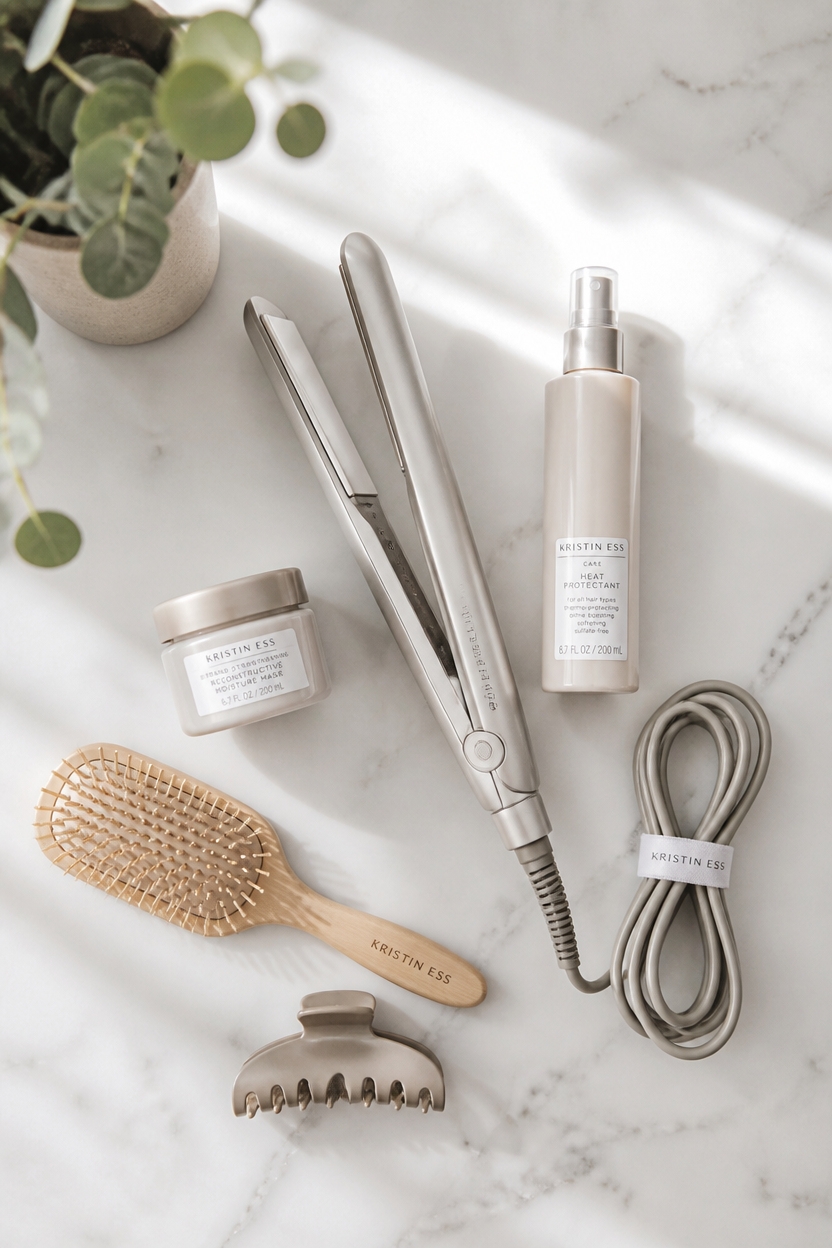
Before attempting to curl hair with a flat iron, having the right equipment makes all the difference. A quality flat iron with rounded edges works best for creating waves. The barrel width matters: one to one-and-a-half inches produces ideal curl definition.
Heat protectant spray is essential. It shields hair from damage while allowing smooth gliding. Texturizing products like sea salt sprays add grip and hold.
A sectioning clip keeps hair organized during styling. Small sections curl more effectively than large ones. High-quality ceramic or titanium plates heat evenly and reduce frizz.
Finishing products matter too. Light hairspray maintains curls without weighing them down.
Combining proper tools with quality products guarantees beautiful, long-lasting waves every time.
Prepare Your Hair: The Foundation for Long-Lasting Waves
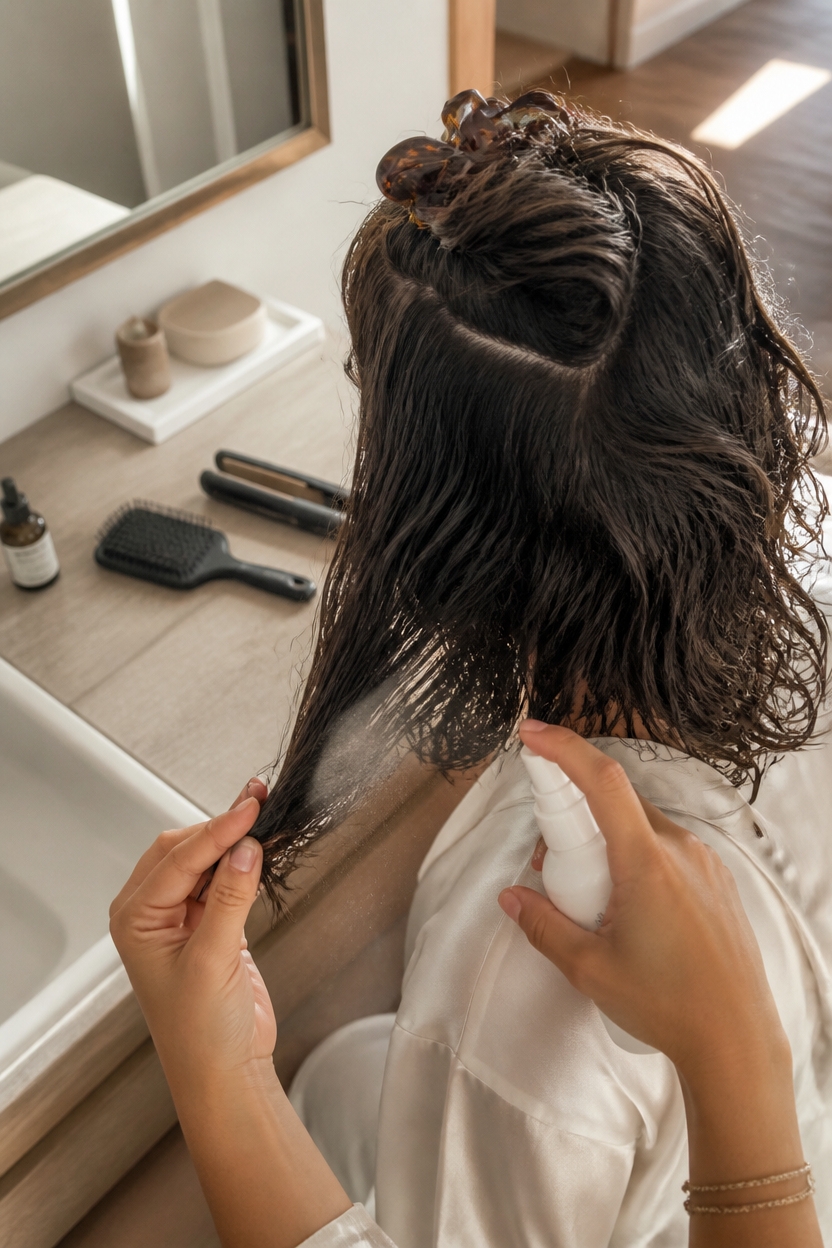
Now that the right tools are in place, hair preparation becomes the next critical step. Starting with clean, dry strands guarantees ideal curl retention and prevents heat damage. A heat protectant spray forms a protective barrier against the flat iron’s temperature, typically rated between 300-450 degrees Fahrenheit.
Applying volumizing mousse to damp roots creates texture and grip for curls. Blow-drying hair completely prevents steam damage and frizz.
Sectioning hair into four quadrants using clips allows systematic styling without missing pieces.
A smoothing serum applied to mid-lengths and ends reduces breakage during the curling process. Fine hair benefits from lightweight products, while thick hair requires heavier formulations for hold.
These foundational steps transform ordinary flat iron work into salon-quality results.
Choose the Right Temperature Setting for Your Hair Type
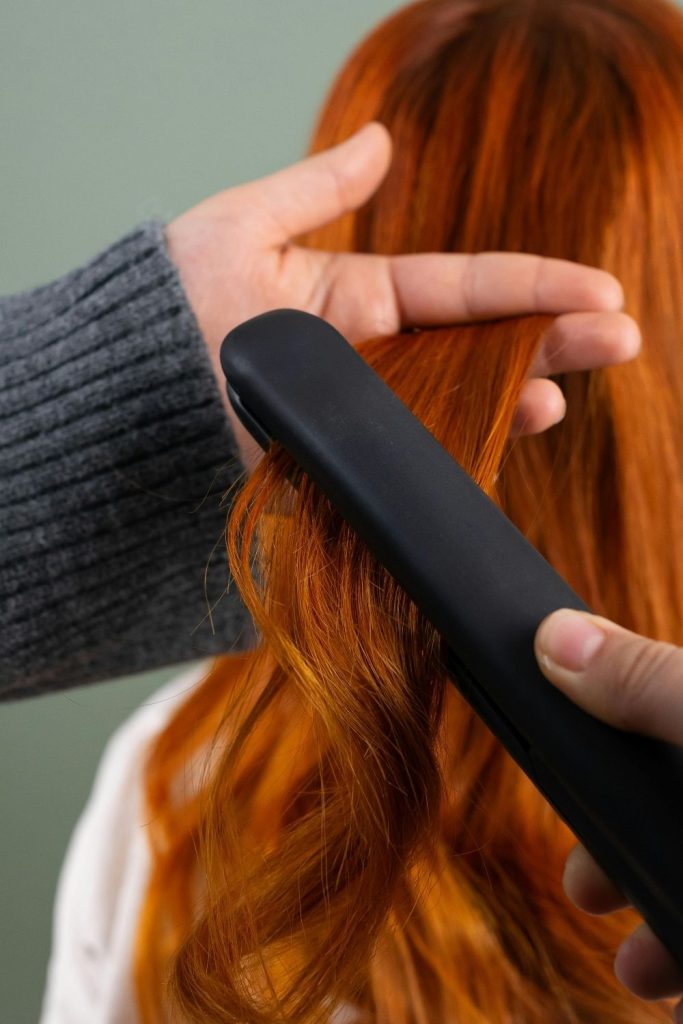
Temperature selection represents the crucial bridge between effective curling and hair damage.
Fine or delicate hair requires lower heat settings between 250-300°F to prevent breakage and frizz. Medium-textured hair thrives at 300-350°F, offering ideal wave formation without excessive stress. Thick or coarse hair can handle 350-400°F for better curl definition and longevity.
Starting lower and gradually increasing temperature prevents costly mistakes. Most flat irons display precise degree markers for accurate selection. Matching temperature to hair density guarantees curls last longer while maintaining shine.
Damaged or previously colored hair demands restraint.
Professional-grade irons like the GHD Gold and T3 Cura feature advanced heat distribution technology. These tools minimize temperature-related damage while maximizing wave retention. Always test on a small hidden section first.
Execute the Twist-and-Glide Technique
Mastering the twist-and-glide technique transforms flat irons into professional curling tools. The method begins by clamping a one-inch hair section at the roots. Slowly rotate the flat iron away from the face while gliding downward. This creates natural-looking waves with dimension and movement.
The rotation speed matters considerably. Moving too quickly produces loose waves. Moving too slowly risks heat damage. A moderate pace creates consistent, bouncy curls throughout the hair.
Hold each section for two to three seconds at the ends. This sets the curl shape permanently. Repeat this process across the entire head, working in horizontal sections.
Professional stylists recommend using ceramic flat irons for even heat distribution. The technique works best on pre-dried, textured hair.
With practice, anyone can achieve salon-quality waves at home.
Try Three Wave Variations: Loose, Tight, and In-Between
Creating different wave textures requires adjusting both rotation angle and gliding speed with the flat iron.
Loose waves demand slower gliding with minimal twists. The iron should rotate just 180 degrees while moving deliberately down each section, producing soft, beachy movement.
Tight waves require faster rotation and quicker gliding motions. Two full rotations per section create defined, springy curls that last longer.
In-between waves balance both techniques for versatile, natural-looking texture.
Wave variation depends entirely on controlling your rotation speed and iron temperature. Using a 1-inch ceramic flat iron works best for all three variations.
Each style suits different occasions: loose waves for casual wear, tight waves for events, and in-between waves for everyday versatility.
Timing and Placement: The Precision Guide
While mastering wave variations builds foundational skills, the real artistry emerges through deliberate timing and strategic section placement along the hair shaft.
Sectioning hair into quarter-inch to half-inch segments guarantees consistent results throughout. Thinner sections create tighter, more defined waves. Thicker sections produce looser, effortless texture.
Timing matters greatly during the curling motion. A two-to-three-second hold creates bouncy waves. Five-to-seven seconds produces structured, long-lasting curls. Professional stylists recommend using a ceramic flat iron, like the GHD Gold, for even heat distribution and reduced frizz.
Placement technique distinguishes amateur results from polished styling. Begin curling near the roots for maximum volume. Mid-shaft placement creates dimension without heavy texture. End sections near the tips for movement and shape.
This strategic approach transforms flat iron curling from basic styling into professional-caliber waves.
Mistakes That Destroy Your Waves (and How to Skip Them)
Even with perfect timing and placement, common missteps can sabotage otherwise flawless waves. Holding the flat iron too long damages hair and creates crispy, unnatural bends. Moving too quickly prevents proper curl formation. Temperature matters considerably; excessive heat weakens hair structure and destroys wave definition.
Using a flat iron without heat protectant spray invites serious damage. Products like TRESemmé Thermal Creations Shield create a protective barrier. Clamping too tightly crushes hair, producing flat, lifeless results instead of bouncy texture.
Applying the flat iron to soaking wet hair causes unnecessary breakage. Hair should be damp, not dripping. Moisture control determines wave longevity and shine.
Skipping finishing products leaves waves vulnerable to humidity and frizz. Light hairspray or texturizing spray locks in curl memory and maintains dimension throughout the day.
Keep Your Flat Iron Waves in Place: Best Products and Methods
Locking in flat iron waves requires strategic product layering and styling techniques that extend curl longevity beyond the initial styling session. A lightweight heat protectant spray creates the foundation, preventing damage while enhancing grip.
Apply a texturizing spray or sea salt mist to damp hair before styling; this builds texture that holds curls better than smooth strands.
After curling, a flexible hold hairspray locks waves without stiffness. Finishing sprays with polymers create a flexible cast that moves naturally.
For extended wear, dry shampoo added the next day refreshes texture and grip.
Sleeping on a silk pillowcase preserves waves overnight. Morning touch-ups using a curling iron on lower heat settings revive flattened sections efficiently.
These layered methods transform temporary waves into lasting style.
Styling Tips: How to Refresh Waves the Next Day
Because flat iron waves naturally soften overnight, the next-day revival becomes an essential part of maintaining that coveted textured look. A light misting of texturizing spray reactivates wave definition without requiring complete restyling.
Simply spray sections and gently scrunch with fingers. For more dramatic rejuvenation, run the flat iron through select sections at lower heat settings. This technique preserves the wave pattern while adding dimension.
Dry shampoo adds grip and volume simultaneously. Apply it to roots and mid-lengths before reviving. For stubborn flat spots, a curling iron works exceptionally well on smaller sections.
These methods extend wave life greatly, maximizing styling investment and reducing daily heat damage considerably.
Protect Your Hair: Heat Damage Prevention and Hair Health
Using a flat iron regularly requires a strategic approach to hair protection. Heat damage weakens the hair shaft, leading to breakage and frizz. Always apply a heat protectant spray before styling, creating a barrier against thermal stress.
Quality products matter greatly. Look for serums containing silicone or keratin to shield each strand. Professionals recommend brands like CHI 44 Iron Guard or TRESemmé Thermal Creations for accessible protection.
Keep heat settings moderate. Most hair types work best between 300-350°F. Higher temperatures don’t curl better; they simply increase damage risk.
Incorporate weekly deep conditioning treatments into your routine. These restore moisture and strengthen compromised strands. Use products with collagen or argan oil for peak results.
Limit flat iron use to 2-3 times weekly when possible. This approach maintains curl longevity while preserving hair health and integrity.
Frequently Asked Questions
Can I Curl My Hair With a Flat Iron if It’s Already Damaged or Color-Treated?
Yes, one can curl damaged or color-treated hair with a flat iron, though caution is necessary. Using a heat protectant spray beforehand is essential. Lower temperature settings and less frequent styling help minimize further damage and preserve color vibrancy.
How Long Do Flat Iron Waves Typically Last Before They Start to Fall Out?
One might expect waves to last an eternity, but realistically they typically hold for 24-48 hours. The duration depends on hair type, texture, and product use. Finer hair loses waves faster, while thicker strands maintain them considerably longer with proper styling products applied beforehand.
Is It Possible to Create Waves With a Flat Iron on Very Short Hair?
Creating waves with a flat iron on very short hair is challenging but possible. The technique works best on hair at least two to three inches long. Shorter lengths lack sufficient surface area to hold the wave pattern effectively.
What’s the Difference Between Using a Flat Iron Versus a Curling Iron for Waves?
Studies show 68% of stylists prefer flat irons for creating waves due to their versatility. Flat irons offer tighter, more defined waves through twisting techniques, while curling irons produce looser, bouncier curls with less precision and control required.
Can I Use a Regular Flat Iron or Do I Need a Specific Curved Model?
A regular flat iron works well for creating waves, though curved models offer easier technique execution. Standard flat irons require more practice and specific angling techniques, but they produce equally beautiful results when used correctly with proper twisting motions.
Conclusion
Mastering flat iron waves transforms hair styling into an accessible art form. Like Prometheus bringing fire to humanity, this technique reveals styling possibilities previously reserved for salon visits. Consistency matters—practice builds muscle memory. The right heat protectant and flexible hairspray are non-negotiable investments. Whether waves fall loose or tight, the foundation remains identical: proper preparation, technique precision, and heat protection. Beautiful, bouncy waves aren’t reserved for the naturally gifted; they’re within reach for anyone willing to master these fundamentals.