Hair dye stains on skin are one of those frustrating side effects of coloring your hair at home. Most people end up with dark smudges along their hairline, ears, or neck, and the marks can look worse than they actually are. The good news is that removing them is easier than it seems.
Gentle household ingredients like coconut oil, baking soda, and dish soap can lift dye from skin without causing irritation. The right method depends on your skin type, how long the dye has been sitting, and how deep the stain has set. Fresh stains respond much faster than ones that have dried for hours.
For sensitive skin, oil-based removers tend to be the safest starting point. Rubbing alcohol and harsh scrubs can strip the skin barrier and cause redness or discomfort. Knowing your skin before reaching for a solution makes a real difference in the outcome.
Timing also plays a bigger role than most people realize. Acting within the first few minutes of a stain gives any method a much higher success rate. Waiting until after the dye has fully dried means more effort and possibly multiple attempts before the skin is fully clear again.
Also read: How Long Does Laser Hair Removal Last? Results and Expectations
Coconut Oil and Gentle Massage: Start Here
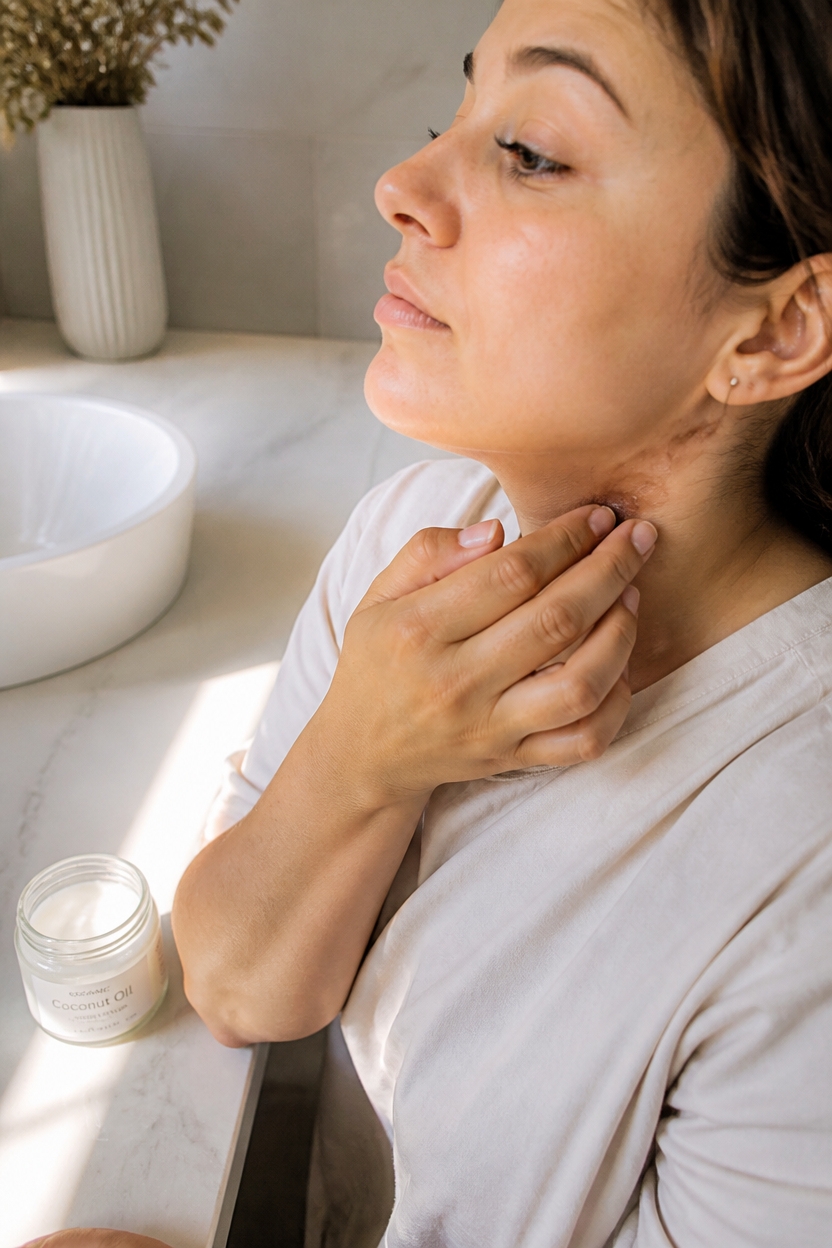
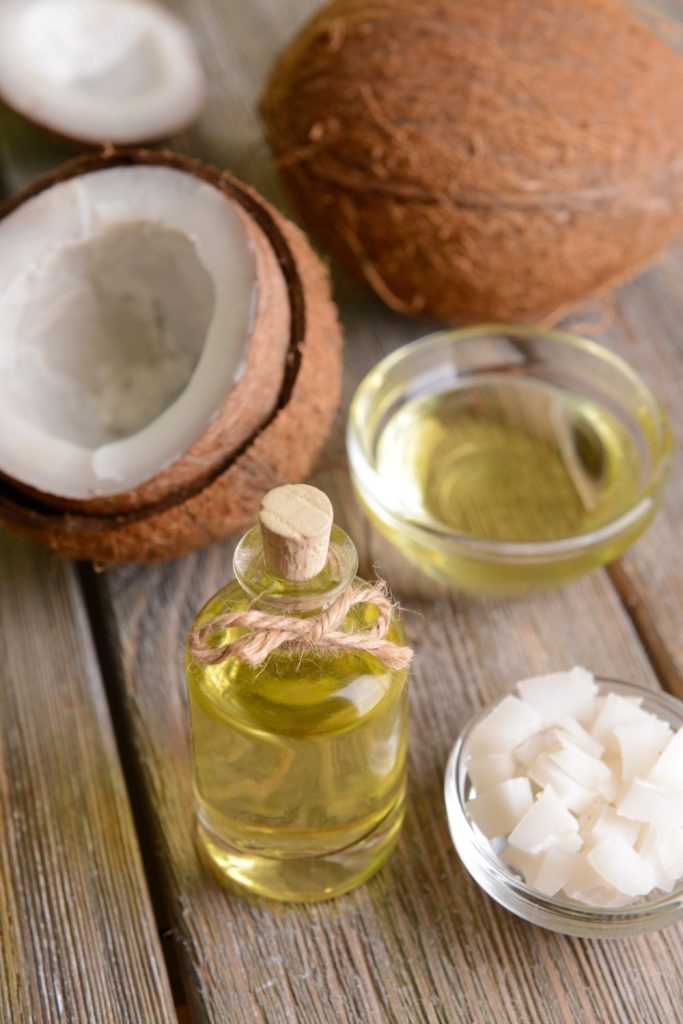
Coconut oil stands as one of the gentlest and most accessible first-line treatments for removing hair dye from skin. This natural oil contains fatty acids that break down stubborn pigment molecules without harsh chemicals.
Apply virgin coconut oil directly to stained areas and massage gently in circular motions for three to five minutes. The massage action increases circulation while the oil penetrates pigment layers. Allow the treatment to sit for fifteen to twenty minutes before rinsing with lukewarm water. For stubborn stains, repeat daily until results appear.
Dermatologists appreciate this method because it hydrates while cleansing, reducing skin irritation common with commercial removers. Products like Nutiva Organic Virgin Coconut Oil work exceptionally well.
The combination of natural moisturizing properties and pigment-lifting ability makes this approach both effective and skin-friendly for most individuals.
Baking Soda Paste to Scrub Away Dye
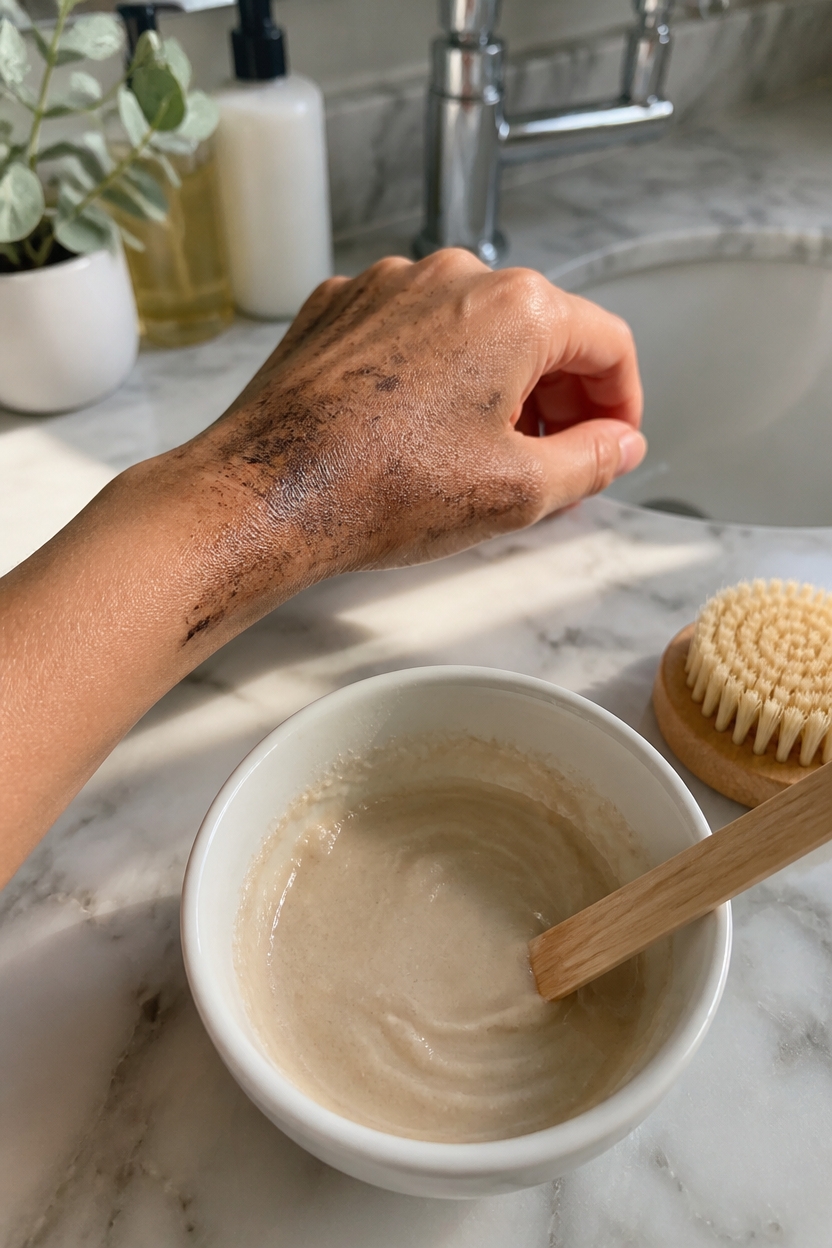
For those seeking a more abrasive approach than oil treatments, baking soda offers affordable and effective pigment removal through gentle mechanical exfoliation.
Mix three parts baking soda with one part water to create a thick, spreadable paste. Apply the mixture directly onto stained skin areas and let it sit for five to ten minutes. Using circular motions with fingertips or a soft washcloth, gently scrub the affected regions.
The mild abrasive action lifts away dye particles without causing irritation. Rinse thoroughly with lukewarm water and pat skin dry.
Dermatologists note that baking soda’s pH-neutral properties make it suitable for sensitive skin. Follow up with moisturizer to prevent dryness. This method works particularly well on fresh stains before dye fully sets into skin.
Rubbing Alcohol for Stubborn Stains
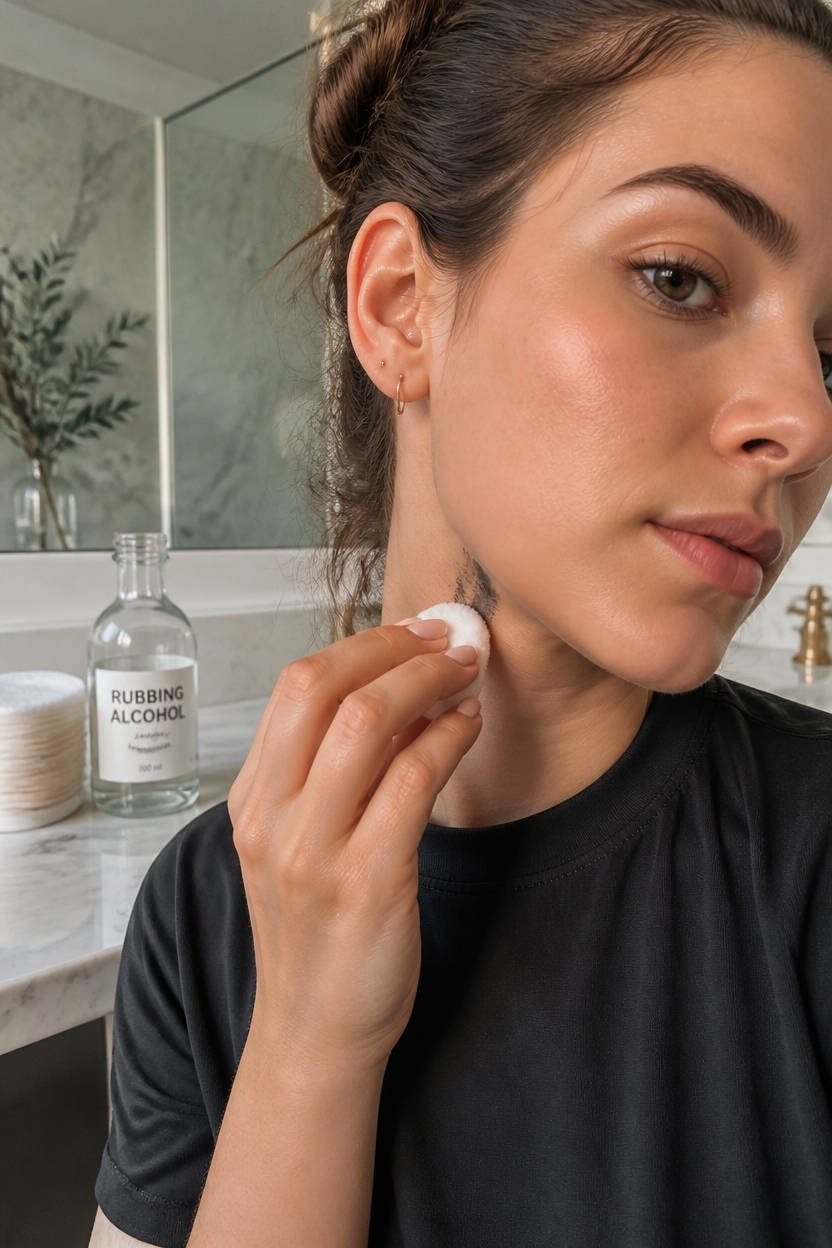
When baking soda paste doesn’t fully eliminate lingering dye marks, rubbing alcohol becomes the next powerful option. This solvent effectively breaks down stubborn pigment residue that other methods miss. The process requires only isopropyl alcohol, cotton pads, and gentle circular motions.
Apply rubbing alcohol directly onto stained skin using a saturated cotton ball. Work in small sections, allowing the solution thirty seconds to penetrate dried dye. Dermatologists note that ninety-percent isopropyl alcohol works best for this application without causing excessive irritation.
Rinse thoroughly with lukewarm water and pat dry completely. This method works particularly well on hairline stains and behind-the-ear marks where dye accumulates most heavily.
Follow with moisturizer to prevent dryness, since alcohol can temporarily strip skin’s natural oils.
Dish Soap Method for Quick Cleanup
Dish soap strips away fresh dye stains before they set permanently into skin. This method works best immediately after application, when pigment molecules haven’t fully bonded with the epidermis.
Begin by wetting the stained area with lukewarm water. Apply a small amount of gentle dish soap; brands like Dawn or Seventh Generation work effectively without excessive harshness. Gently massage the soap into the stain using circular motions for 30-60 seconds.
Rinse thoroughly with water until soap residue disappears completely. Pat skin dry with a soft cloth rather than rubbing aggressively.
For stubborn spots, repeat the process once more. Early intervention with mild surfactants prevents deeper stain penetration.
This accessible approach combines effectiveness with gentleness, making it ideal for sensitive facial areas and immediate cleanup situations.
Makeup Remover and Cleansing Oils
Makeup removers and cleansing oils dissolve stubborn dye molecules that dish soap cannot fully eliminate. These products contain emollients that break down pigment particles more effectively than traditional cleansers.
Micellar water works particularly well for fresh stains on delicate facial skin. Oil-based removers like coconut oil or jojoba oil penetrate deeper into pores where dye settles.
Apply the product directly to stained areas and massage gently in circular motions for two minutes. A microfiber cloth removes the dissolved dye without harsh scrubbing.
Professional colorists recommend using dedicated makeup removers because they’re formulated for sensitive facial skin. Follow with a gentle cleanser to remove oil residue completely.
This method proves especially useful for hairline and temple stains that persist after initial washing.
Toothpaste as a Surprising Solution
Although unconventional, toothpaste offers an effective remedy for stubborn hair dye stains on skin. The mild abrasive properties gently lift pigment without harsh chemicals. Apply a small amount directly to the stained area. Gently rub in circular motions for one to two minutes.
Rinse thoroughly with warm water and pat dry completely.
Whitening toothpastes work particularly well due to their slightly stronger formulations. Brands like Crest 3D White or Colgate Optic White deliver reliable results. The fluoride and silica compounds break down dye molecules effectively.
For sensitive skin, regular fluoride toothpaste suffices nicely. Test on a small patch first to verify compatibility.
This budget-friendly solution costs mere dollars compared to professional treatments. Most households already have it available immediately.
Micellar Water for Sensitive Skin
Many dermatologists recommend micellar water as a gentle alternative for removing hair dye from delicate facial skin. This makeup remover contains tiny cleansing molecules that attract and lift away stains without harsh scrubbing or chemical irritants.
To use micellar water effectively, saturate a cotton pad and press it against the stained area for several seconds. The solution works by dissolving dye particles without stripping natural oils. Bioderma Sensibio H2O and Garnier SkinActive Micellar Water are popular choices for sensitive complexions.
Unlike rubbing alcohol or acetone, micellar water maintains skin’s protective barrier while removing unwanted color. Users typically see results within two to three applications.
The gentle formula makes it ideal for those prone to irritation around the hairline and ears.
Gentle Exfoliation With Scrubs
While micellar water works wonderfully for light staining, slightly stubborn dye marks often benefit from a gentler physical approach. Soft-bristled exfoliating scrubs remove dead skin cells without causing irritation or redness. Products like St. Ives Naturally Exfoliating Apricot Scrub or Cetaphil Pro Dry Skin work effectively on sensitive areas. Apply gentle circular motions for thirty seconds.
Sugar-based scrubs offer a biodegradable alternative for environmentally conscious users. The combination of fine particles and moisturizing ingredients prevents micro-tears. Focus on areas with concentrated dye buildup. Rinse thoroughly with lukewarm water.
Follow immediately with a hydrating moisturizer to restore skin’s protective barrier. This method typically removes moderate staining within one application.
Patch Test First: Know When to Skip DIY Methods
Before applying any dye-removal method to visible skin, testing on a small, inconspicuous area prevents potential irritation or allergic reactions. Behind the ear or inner elbow works best for patch testing. Wait 24 hours before proceeding with full application.
Some removal methods require professional intervention. Individuals with sensitive skin, eczema, or active breakouts should skip DIY approaches entirely.
Professional-grade removers like Color Oops or Zout contain stronger formulations than household alternatives. These products demand careful application and patch testing.
Stained Hair Color Remover offers gentler options for reactive skin types.
When doubt exists about skin tolerance, consultation with a dermatologist prevents costly mistakes. Professional dye removal services, though pricier, eliminate guesswork and guarantee safer results.
When Professional Help Is Worth It
For sensitive skin types or previous allergic reactions, professional guidance becomes essential.
Colorists use commercial-grade solutions like acetone-based removers and specialized clay treatments unavailable to consumers. These products deliver faster results without risking chemical burns or irritation.
Persistent stains lasting beyond three days warrant professional assessment.
Salon treatments typically cost $30 to $75 but prevent potential skin damage. When home remedies fail, professionals offer peace of mind and effective solutions tailored to individual skin needs.
Frequently Asked Questions
How Long Does Hair Dye Typically Stay on Skin Before Fading Naturally?
Hair dye typically remains visible on skin for three to seven days before fading naturally. The duration depends on skin type, dye composition, and exposure to water and sunlight. Darker stains may persist longer than lighter ones.
Will Removing Dye From Skin Damage or Irritate My Complexion Permanently?
One might imagine their skin morphing into a leather handbag, but fear not. Most gentle removal methods won’t permanently damage complexion. Using mild soaps, oil-based products, or rubbing alcohol proves safe for skin. Temporary redness may occur, yet it typically fades within hours without lasting consequences.
Can I Use These Methods on Dyed Hair to Remove Color Mistakes?
No, these skin-safe methods are unsuitable for hair removal. Hair requires specialized color-correction treatments or professional assistance. Using skin-removal techniques on hair risks damage, breakage, and uneven results. Consult a stylist for safe color correction.
What’s the Safest Removal Method for Dye on Face and Sensitive Areas?
Like a whisper rather than a shout, gentle methods prove most effective on delicate facial skin. Rubbing alcohol or baby oil applied with soft cotton pads work best, avoiding harsh scrubbing. One should wait twenty-four hours post-application before attempting removal.
Why Does Hair Dye Stain Skin Differently Depending on Skin Tone?
Hair dye stains appear differently on various skin tones due to melanin levels and undertones. Darker skin may show less visible staining because melanin masks pigment deposits, while lighter skin reveals dye more prominently against its surface.
Conclusion
Removing hair dye from skin requires patience and the right approach. Coconut oil cleanses gently. Baking soda scrubs effectively. Rubbing alcohol tackles stubborn marks. Each method serves a purpose, each technique builds confidence, each application restores skin clarity. Starting with mild solutions prevents irritation while delivering results. Professional intervention remains available for severe staining. Ultimately, these accessible methods empower anyone to maintain flawless skin after coloring, transforming dye mishaps into manageable moments.