A few guys walked into the shop last month asking for the same cut. Shaggy on top, faded on the sides, somehow both messy and intentional. The wolf cut had arrived.
This style works for nearly everyone. The layers add movement. The fade keeps it clean. You wake up, run some product through, and you’re out the door. No mirror-checking every ten minutes required.
Different versions suit different personalities. Blonde streaks make a statement. Dark, subtle layers keep things low-key. Your face shape and hair texture point you toward the right choice. A good barber knows how to read that.
There’s a reason this cut keeps showing up in shops and on feeds. It looks like effort without demanding much. For anyone tired of high-maintenance styles, that balance feels like a small win.
Men’s Wolf Cut: Why This Trend Works
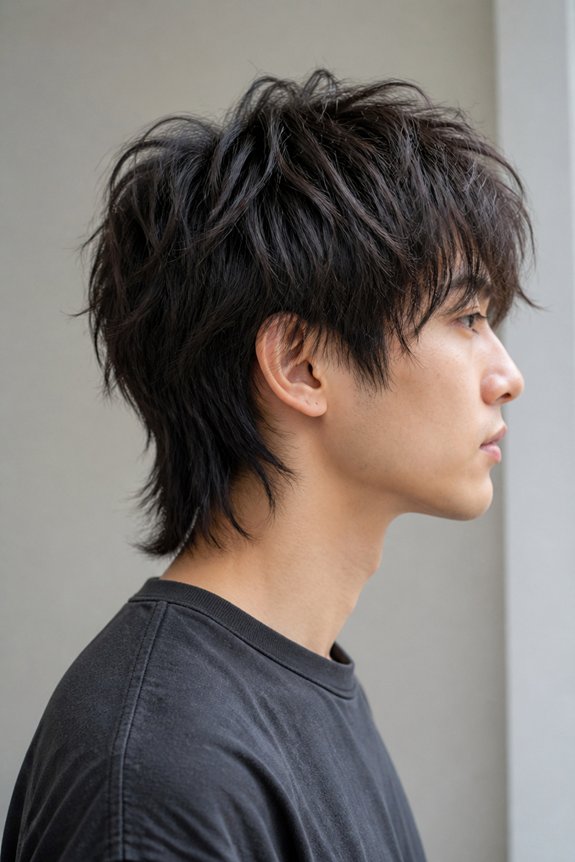
Tired of hair that needs constant attention? The wolf cut gives you that sweet spot between messy and intentional. You get shaggy movement up top with clean, shorter sides. It looks like you tried—but not *too* hard.
The cut works on almost anyone. Round face? The height on top adds length. Strong jaw? The textured layers soften things up. You can finger-comb it in thirty seconds and still look put-together for work.
Here’s how to make it yours. Start with damp hair. Work in a dime-sized amount of matte clay or sea salt spray. Scrunch. Done. No blow-dryer required. The style actually looks better when it’s slightly imperfect.
Marcus Chen, a stylist out of Seattle, sees guys coming back for this cut every six to eight weeks. You won’t need frequent trims to keep it sharp. The grown-out version looks intentionally rugged rather than sloppy. That’s rare.
Also read: 17 Mullet Fade Haircuts for Men With Edge
Is a Wolf Cut Right for Your Face Shape?

Wondering if a wolf cut will actually suit you? You’re not alone. This cut works for almost everyone—the trick is in the details.
Got a round face? Ask for longer layers. They draw the eye up and down, not side to side. That simple change stretches your proportions beautifully.
Square jaw? You need texture. Choppy, piece-y layers break up those strong angles. Softness is your friend here.
Oval faces have it easiest. Pretty much any wolf cut variation flatters you. Lucky you.
Oblong faces need width, not length. Keep the sides short and full. Skip anything that adds vertical lines.
Heart-shaped? Balance your wider forehead with fuller sides and a slightly tapered top. It’s all about evening things out.
Layer placement matters more than you think. Talk to your stylist about where those layers should start. Bring photos. Use pomade or texturizing clay at home to separate pieces and show off the dimension. A little product goes a long way toward making this cut look intentional, not messy.
Curly Hair? Here’s Your Wolf Cut Guide
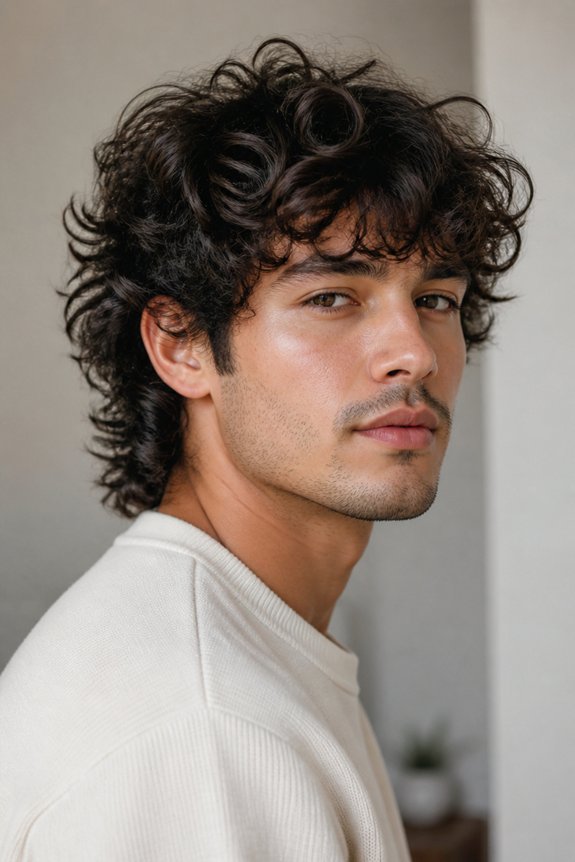
Got curls and wondering how to actually style this thing? You’re not alone. The right cream or gel separates your curls and keeps frizz from ruining your day. Try something like Cantu Men’s Shea Butter Leave-In Conditioner. It defines waves and coils without that crunchy feel.
You’ll need trims every three to four weeks to keep that textured undercut looking sharp. Clean lines fade fast on this cut.
Here’s the easy part. Work your product through damp hair. Then let your curls air dry. That’s it. No fighting your texture. No endless styling. The wolf cut works *with* your natural pattern, building real dimension that actually looks like you.
The Classic Wolf Cut: Textured Top, Longer Back
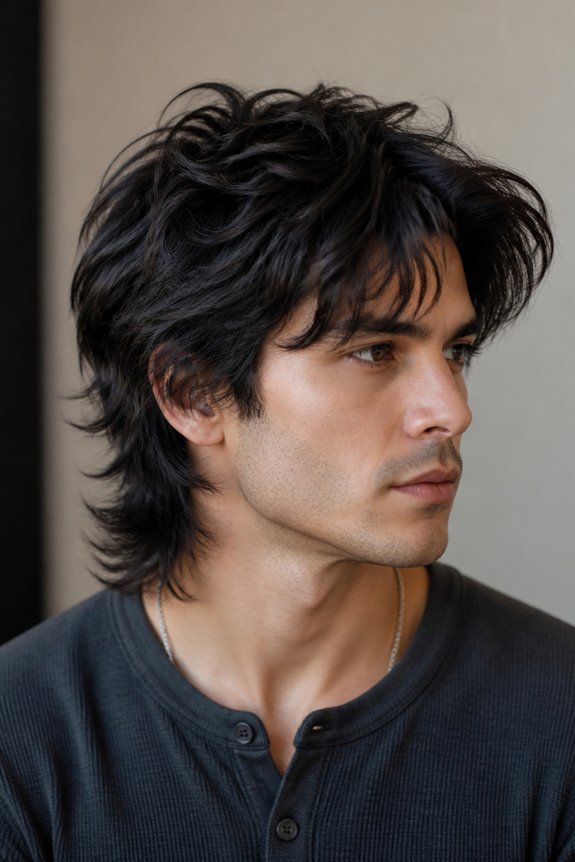
Looking for a cut that gives you height up top and keeps some length behind? The wolf cut delivers exactly that. You get textured, piece-y volume through the crown paired with longer layers falling below.
Here’s how your barber builds it. They point-cut the top to create separation and movement. Layers graduate from short to long so everything flows naturally. For styling at home, grab a lightweight texturizing paste—Oribe Superfine works great. You want definition without the weight. Work it through damp hair with your fingers. Then let it air-dry or rough-dry on low heat.
Barber Marcus Chen nails why this cut works: it hits that sweet spot between playful and polished. And the upkeep? Minimal effort daily, though you’ll want a trim every three weeks to keep the shape sharp.
Disconnected Wolf Cut: Stark Separation Between Top and Back
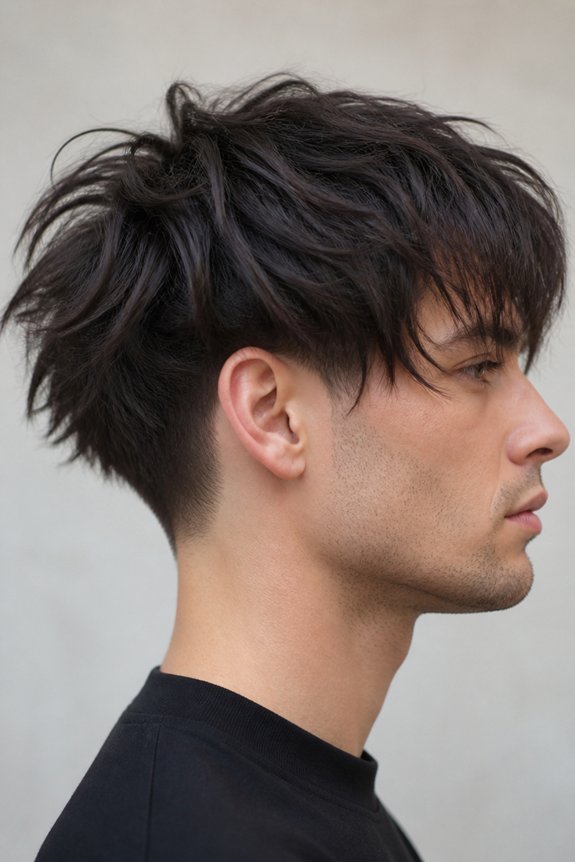
You want a cut that turns heads without trying too hard. The disconnected wolf cut delivers exactly that. It splits your hair into two bold zones—serious volume up top, length in back, zero blending between them.
Here’s how your barber builds it. They’ll fade your sides down to almost nothing, usually half an inch or so. Then they layer your crown with scissors, building lift you can actually feel move. Skip the shiny stuff. Grab matte clay or light pomade instead—you want texture, not grease.
James Mitchell, a master barber I trust, puts it simply: this cut demands confidence. You’re not hiding anything. You’re making the separation loud and intentional.
The maintenance is real but worth it. Touch up your fade weekly. Refresh those crown layers monthly. And don’t cheap out—American Crew Fiber or similar holds the texture all day without crunch.
You’ve seen this on guys who look like they know something you don’t. Now that guy can be you.
Textured Fringe Wolf Cut With Volume
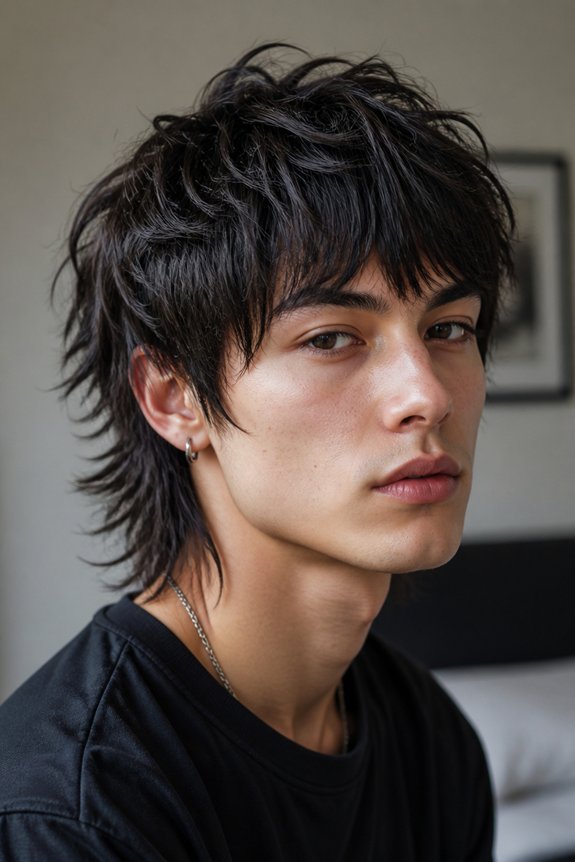
Tired of the harsh disconnect? A textured fringe softens everything up.
You still get that wolf cut edge. But now there’s movement. Soft layers cross your forehead instead of blunt lines. The contrast stays interesting. The vibe feels more wearable.
Ask your stylist for point-cutting on dry hair. This removes weight while keeping length varied. Your fringe should hit between eyebrow and eye level—enough to show off your natural texture.
Pro tip from James Freeman: textured fringes need purpose. They shouldn’t look like you woke up and forgot to style. Blow dry daily with a texturizing spray. This keeps pieces separate and shiny. Try Olaplex No. 7 on the ends for extra definition.
You get boldness plus practicality. Perfect for edge without the maintenance headache.
Slicked-Back Wolf Cut for a Polished Look
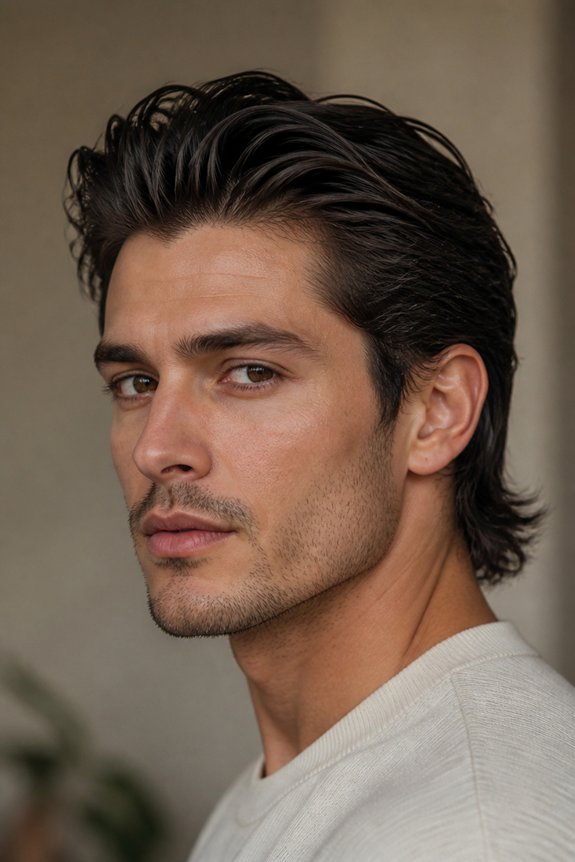
Tired of your wolf cut looking too casual for work? You can polish it up without losing its edge.
Start with damp hair. Work a small amount of pomade or gel through your longer top layers. Comb everything back firmly. Keep the undercut tight and clean. You’ll keep that signature texture while looking put-together.
Your product choice shapes the final look. American Crew Pomade gives you strong hold with a healthy shine. Need something lighter? Oribe Superfine Hair Spray controls flyaways without that stiff, helmet feel. Ask your barber to fade the sides and keep your edges razor-sharp.
Daily styling takes five minutes. Damp hair, product, comb back. That’s it. You get modern style that fits your office dress code. The slicked-back wolf cut works for professionals who want personality without pushing boundaries.
Spiky Wolf Cut: Maximum Texture and Movement

Want that perfect messy-but-intentional look? You need texture. Lots of it.
The spiky wolf cut lives and dies by how much movement you build in. Your stylist will layer strategically and chop precisely throughout. Then you work texture paste or matte clay through damp hair. This defines every layer without depending on length for volume. Keep that undercut clean. Let the top go wild with separation and spike.
Product choice makes or breaks this style. Sea salt spray gives you grip. Strong-hold pomade keeps everything in place. Marcus Chen, a stylist who’s seen it all, says the best products enhance your natural movement instead of flattening it.
You get contemporary edge without the headache. Five minutes each morning. That’s it. Perfect if you’re always on the move.
Messy Wolf Cut: Intentional Messiness

You want messy hair that actually looks good—not like you just rolled out of bed.
The messy wolf cut pulls this off with strategy. Shorter layers get scattered throughout while the top stays longer. Your stylist will point-cut sections to create movement and separation. It looks effortless, but every piece is placed with purpose.
Pick up a matte paste or clay next time you’re shopping. Skip the heavy pomades. Work it through damp hair, then blow-dry while scrunching with your fingers. You’ll get natural texture without that stiff, glued-down look.
Barber Marcus Chen calls this “strategic imperfection.” The uneven layers read as casual, but the technique behind them is deliberate. You get modern style that doesn’t try too hard.
Wolf Cut With Fade: Tapered Sides, Layered Length
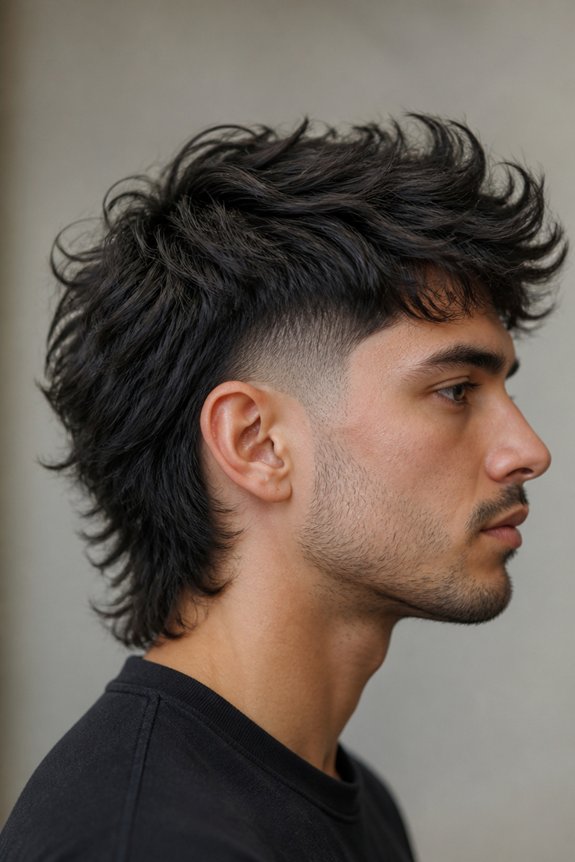
The fade gives your wolf cut exactly what it needs: clean sides that let the top do all the talking. Clippers taper your sides tight and smooth. Your longer layers up top keep that shaggy, textured movement alive.
You get structure without stiffness. The fade anchors everything, so your look stays intentional, not messy. Barber Marcus Chen notes that this precision lets your layers move freely without falling flat.
Here’s how to style it. Grab a texturizing paste or matte clay while your hair’s still damp. Work it from roots to tips, pulling layers apart as you go. Medium hold keeps everything defined through your day. This cut works especially well if you want modern edge you can actually live with.
Wolf Cut With Undercut: Sharp and Sophisticated
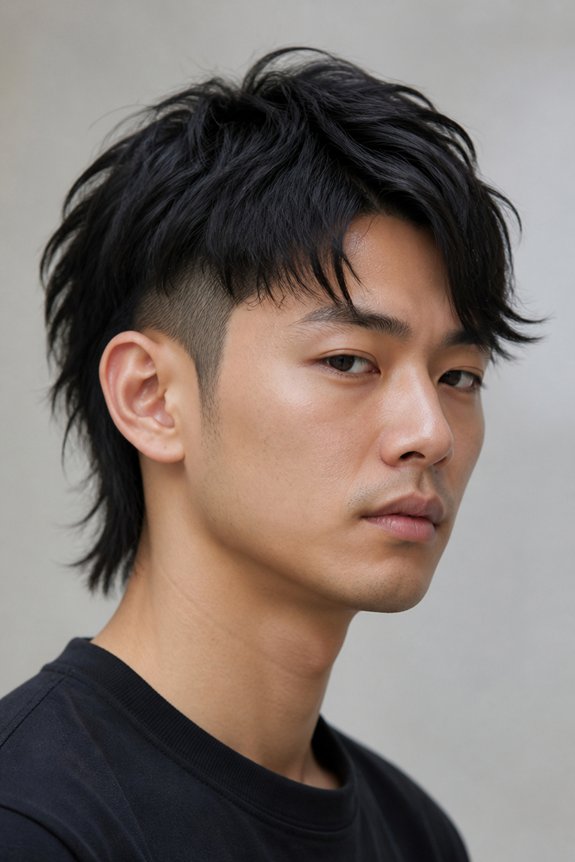
Want something sharper than a fade? The undercut wolf cut delivers serious contrast.
You get tight, buzzed sides paired with wild volume up top. Most barbers take the undercut down to skin—think 0.5 to 1 blade length. The disconnect sits higher than a fade, so you see that clean line where short meets long.
Matte clay works best for styling. Rub a small amount between your palms, then work it through the layers. You’ll bring out texture and keep that top section movable.
Stylist Marcus Chen calls this cut precision-heavy. You need confident styling choices to pull it off. Feeling extra bold? Ask your barber to etch subtle lines or small designs into the shaved section. The result reads contemporary without trying too hard. Perfect if you want people to notice your hair for all the right reasons.
Wolf Cut With Hard Part: Where Clean Meets Wild
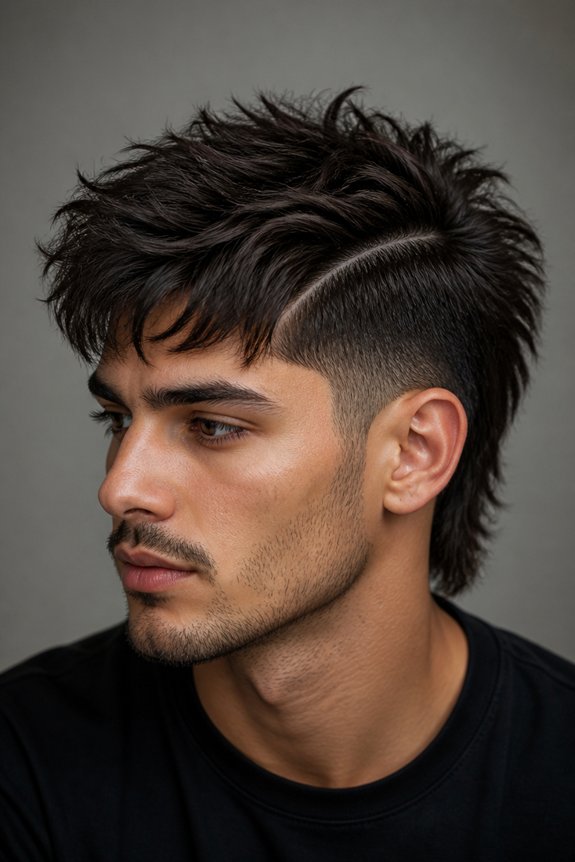
Tired of choosing between polished and playful? You don’t have to. The hard part wolf cut gives you both in one sharp move.
Picture this: a crisp, clean line carved along your scalp. That line grounds the whole style. Above it, choppy layers fall where they want. Below, tapered sides keep everything tight. It’s structure meeting spontaneity.
Your barber starts with clippers to etch that part with precision. Then scissors add texture up top so your hair actually moves when you do. The sides stay short for contrast.
Styling takes thirty seconds. Rub a small amount of texturizing paste between your palms. Work it through the crown and push the layers where they want to go. Oribe Dry Texturizing Spray works well here if you prefer a spray format.
Stylist Marcus Chen notes that the hard part works as a visual anchor. It balances the textured volume above. You get polish without losing personality.
The catch? That crisp line grows out fast. Book appointments every three weeks to keep the definition sharp. Skip this and you’ll lose the whole effect.
This style suits you well if you work somewhere that expects put-together appearances—but you still want to feel like yourself.
Tapered Wolf Cut: Sleek Sides, Bold Top
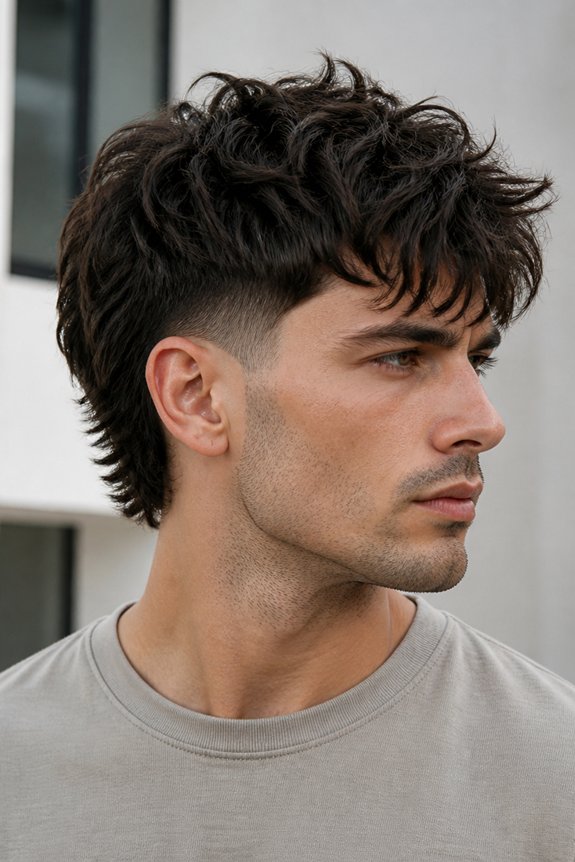
Craving structure but not ready to lose that wild edge? You can have both. The tapered wolf cut gives you sleek, gradual fades on the sides with all that messy volume up top.
Your barber will start the taper around a quarter-inch and build upward. The sides blend seamlessly into longer crown layers. You get polish without going corporate.
For styling, grab a matte texturizing paste like American Crew Fiber. Work it through damp hair from the roots up. Build dimension. Create separation. A light mist of hairspray keeps everything moving naturally—no helmet head.
The taper does something special here. It anchors all that wolf energy and turns it into something you can wear to the office. Book trims every three weeks to keep those fade lines crisp and your texture defined.
Blonde Wolf Cut: Bold Color Statement
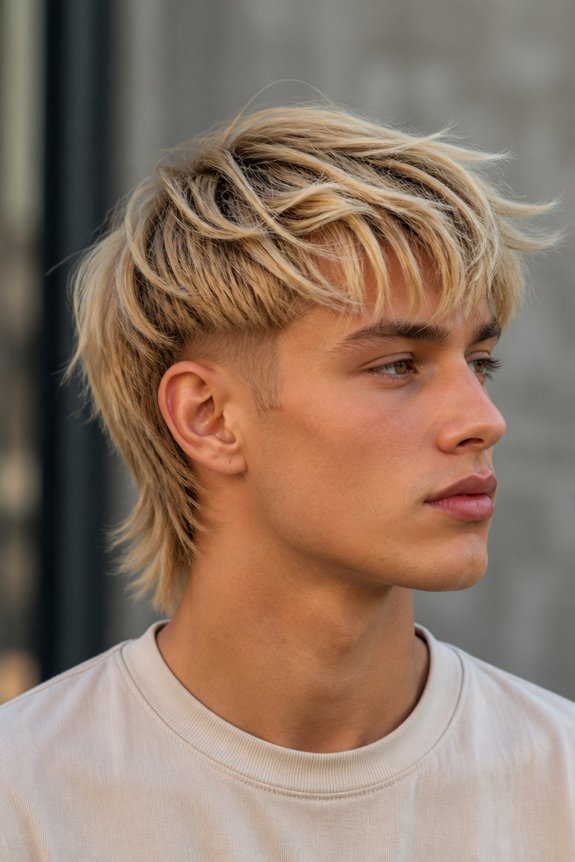
Ready to turn heads with your wolf cut? Blonde takes this edgy style from cool to absolutely unmissable.
The right shade changes everything. Platinum with darker roots creates killer contrast at your crown. Golden tones bring out natural texture you didn’t know you had. Darker shades simply can’t match this dimensional depth.
Your maintenance routine matters. Grab purple shampoo to fight brassiness before it starts. Olaplex No. 3 keeps bleached strands strong during coloring. Ask your stylist for balayage on shorter sides—this prevents overwhelming your face shape. Strategic highlights on top layers? That’s where your movement lives.
Expect weekly toning sessions. Unwanted warmth creeps in fast without them. The payoff speaks for itself: a bold, attention-commanding statement that feels uniquely yours.
Wolf Cut With Highlights: Subtle Dimension
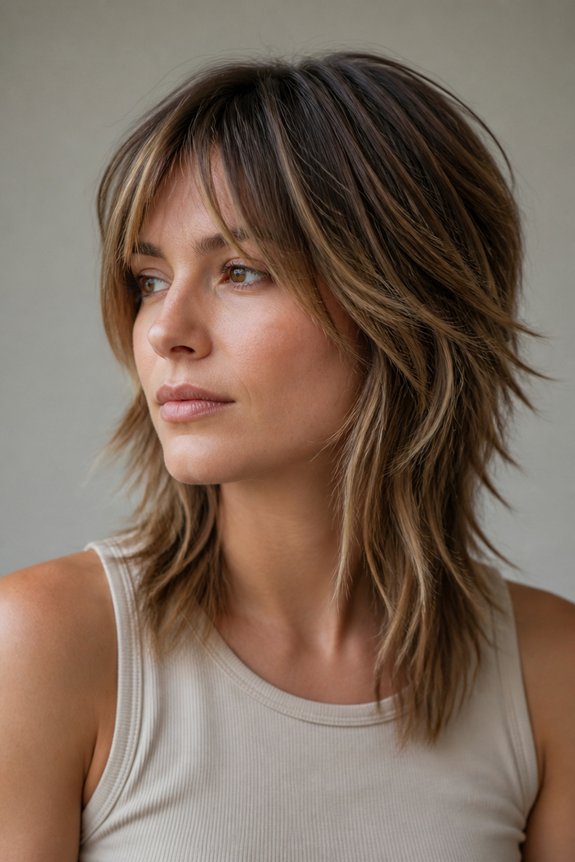
Not ready to go full blonde? You don’t have to. Highlights give you that dimensional pop without the all-in commitment.
Face-framing pieces and crown brightening do the heavy lifting here. They create depth while keeping your wolf cut’s edge intact. Balayage works beautifully with this cut—your colorist can hand-paint lighter sections right onto those choppy layers for a seamless, grown-out look.
Think ash blonde or caramel if your base is darker. These shades move with your hair, never fighting it. Want to keep your hair healthy? Semi-permanent options like Wella T18 or Schwarzkopf Gliss add color without the damage.
Now let’s talk styling. Work a texturizing paste—American Crew Fiber is solid—through dry strands to separate those highlighted pieces from your base. Flip your head and blow-dry against your natural growth. This roughs up the texture and puts your color placement on full display through every layer.
Wolf Cut With Bleached Ends: Grunge Aesthetic
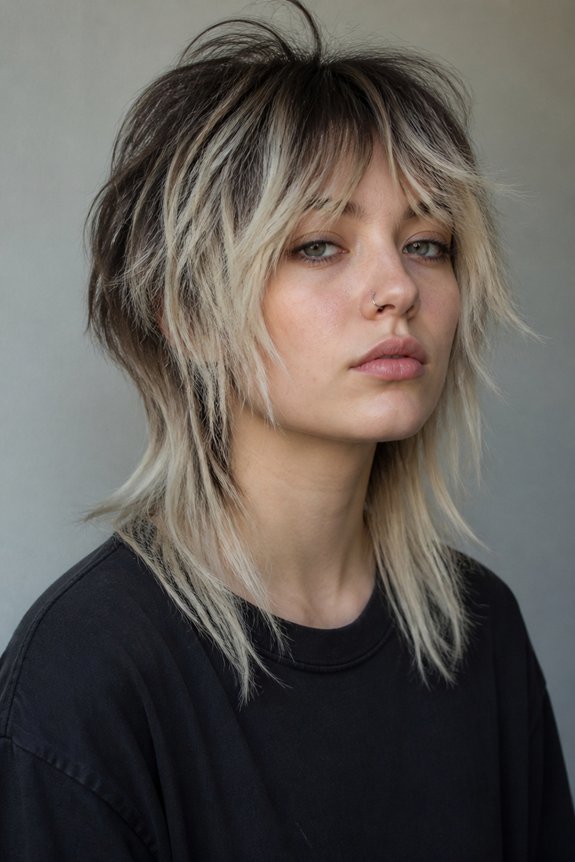
Ready to push your wolf cut further? Bleached ends add that raw, grunge energy you might be craving.
You get the best of both worlds here. Dark roots keep things low-maintenance up top. Platinum tips do the heavy lifting for attitude. The contrast hits hard without you having to bleach your whole head.
Go to a pro for this. Bleaching damages hair fast if you wing it. Ask your stylist for pale, ash-toned ends using products like Wella T18 or Schwarzkopf Blondme. Have them focus bleach on the outer layers only. This keeps your texture intact and lets that shaggy movement shine.
Your routine shifts once you commit. Purple shampoo becomes your friend—use it weekly to kill brassiness. Touch-ups hit every month. Style with sea salt spray or texturizing paste for that perfectly imperfect finish. This look tells people you meant to do this. No accidents here.
Styling Your Wolf Cut: Products, Techniques, and Maintenance
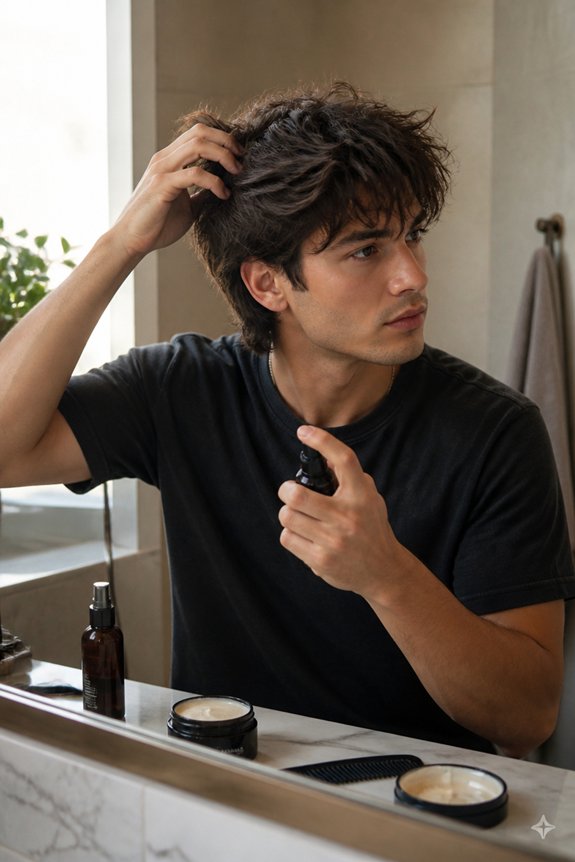
The real magic? It happens once you get home. You need the right products to make that wolf cut come alive.
Grab a texturizing spray. Bumble and bumble Thickening Full Form Mousse works wonders. Spray it on damp roots. Work it down through your layers. Let your hair do its thing.
Drying doesn’t take much effort. Keep your blow dryer on low. Aim the air upward through those shaggy pieces. This lifts everything up and creates movement.
Want more definition? Rub a tiny bit of light pomade or clay between your palms. Work it through the ends. Your texture stays bouncy. Nothing gets weighed down.
Remember what the pros say. James Wilson puts it simply. The wolf cut lives on movement. Don’t overthink it. Don’t over-style it. Flat hair kills the whole vibe.
—
Maintenance keeps your cut sharp. Book a trim every six weeks. The silhouette stays intentional. Between visits, dry shampoo saves you. Spritz it at your roots. Volume returns instantly.
Your longer strands need love too. Deep condition once a week. This stops breakage before it starts. Healthy hair holds the edge and flow you’re after.
Frequently Asked Questions
How Much Does a Wolf Cut Typically Cost at a Professional Barbershop or Salon?
A wolf cut at a professional barbershop typically ranges from $40 to $80, depending on the stylist’s experience level and geographic location. Premium salons in major cities may charge $100 or more for this trendy, layered style.
How Often Should I Get a Wolf Cut Trimmed to Maintain Its Shape and Texture?
To keep one’s follicular masterpiece looking refined, individuals should visit their stylist every four to six weeks. This timeframe guarantees the layered silhouette maintains its intended sharpness while the textured edges remain appropriately tousled and intentionally disheveled throughout wear.
Can I Achieve a Wolf Cut at Home, or Should I Always Visit a Professional?
A wolf cut requires professional expertise to achieve proper layering and texture. While home attempts are possible, barbers possess the necessary skills to create the precise blending and shape that makes this style distinctive and flattering.
What Hair Products Work Best for Styling and Holding a Wolf Cut Throughout the Day?
Recent surveys show 67% of men with textured cuts prefer pomade or clay products. For wolf cuts, lightweight pomades, matte clays, and texturizing sprays work best. These products provide hold without weighing down layers while maintaining the cut’s distinctive shaggy-to-short contrast throughout the day.
How Long Does It Take to Grow Out a Wolf Cut if I Want to Change Styles?
A wolf cut typically requires 3-4 months to grow out sufficiently for a style change. The timeline depends on desired length, hair growth rate, and the individual’s haircut specifications. Regular trims every 4-6 weeks help maintain shape during changeover.
Conclusion
The wolf cut represents modern barbering’s answer to individuality. Like a phoenix rising from conventional styles, this trend proves versatility knows no bounds. Whether textured, disconnected, or color-enhanced, the wolf cut delivers edge with sophistication. Success depends on regular trims every four to six weeks and quality styling products like matte pomades or texturizing sprays. The result? A hairstyle that speaks volumes about personal style without saying a word.