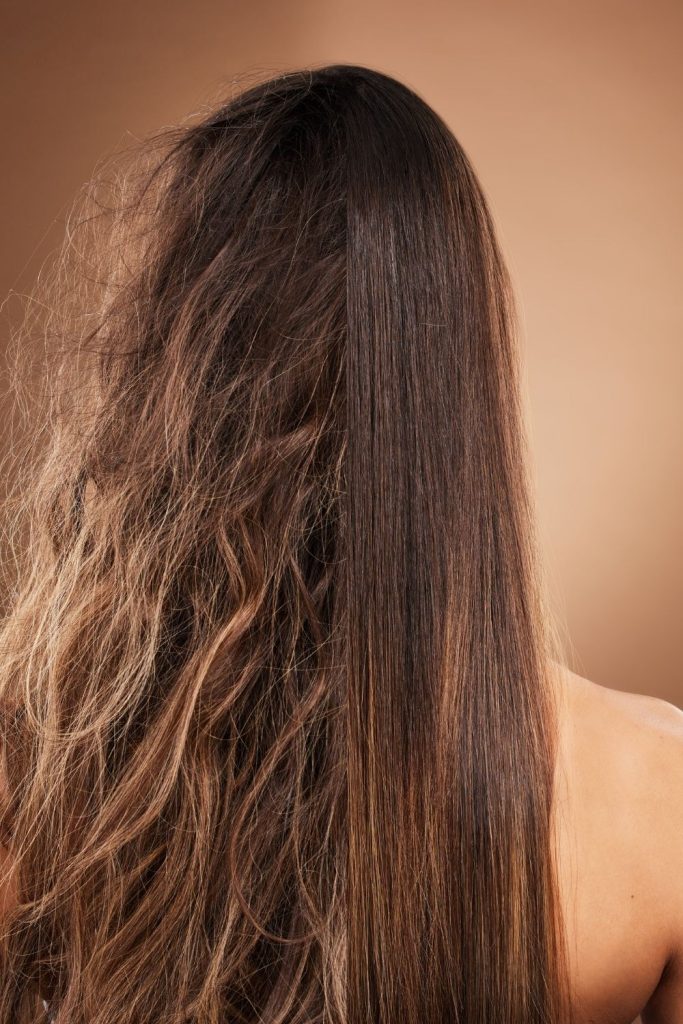
Hair washing frequency is more personal than most people realize. It depends on your hair type, scalp condition, lifestyle, and even the climate you live in. There is no universal rule that works for everyone.
Fine hair tends to get greasy quickly, so washing every one to two days often makes sense. Curly or coarser textures, on the other hand, do better with longer intervals between washes. Over-washing these hair types can strip moisture and cause frizz.
Scalp health also plays a big role in choosing the right products. Oily scalps respond well to clarifying shampoos, while dry or sensitive scalps need gentler, sulfate-free formulas. Using the wrong product can throw your scalp’s natural balance off over time.
The clearest sign that your routine needs adjusting is how your hair looks and feels between washes. Excessive buildup, dryness, or irritation are signals worth paying attention to. Tuning into those cues is the most reliable way to figure out what actually works for your hair.
What Determines Your Ideal Wash Frequency?
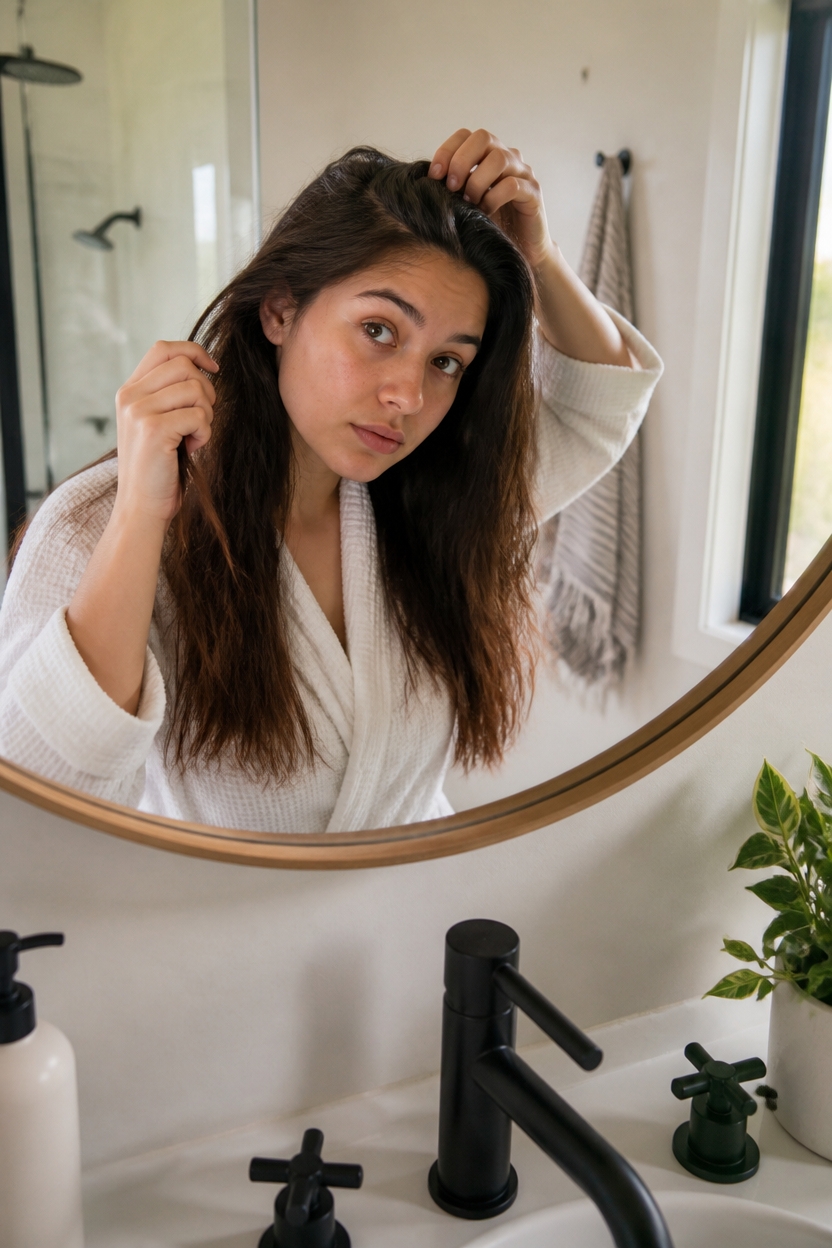
Why does one person thrive with daily washes while another goes a week between shampoos? The answer lies in a combination of factors working together, not against each other.
Scalp oil production sits at the center of this equation. Genetics, hormones, and even climate influence how quickly sebum accumulates at the roots.
Hair texture matters too. Fine, straight strands show oil faster than coily or curly textures, which distribute sebum more slowly along the shaft.
Activity level, styling habits, and product buildup round out the picture. We can’t get enough of how personalized this process truly is.
Why Oily Hair Needs Frequent Washing

Because sebaceous glands near the scalp produce oil continuously, some people find their roots looking flat within a single day. Fine or straight strands show this fastest, since oil travels down the shaft with little resistance. Genetics, hormones, and climate all play a role in how much sebum gets produced.
Overwashing can actually trigger more oil production if you strip the scalp too aggressively, though most oily-haired clients still need daily or near-daily cleansing.
A clarifying shampoo, like Neutrogena Anti-Residue, keeps buildup in check without weighing hair down. Between washes, a dry shampoo with rice starch absorbs excess shine at the roots. It’s a small ritual, but one that keeps volume looking intentional rather than accidental.
Why Curly and Dry Hair Need Less Washing
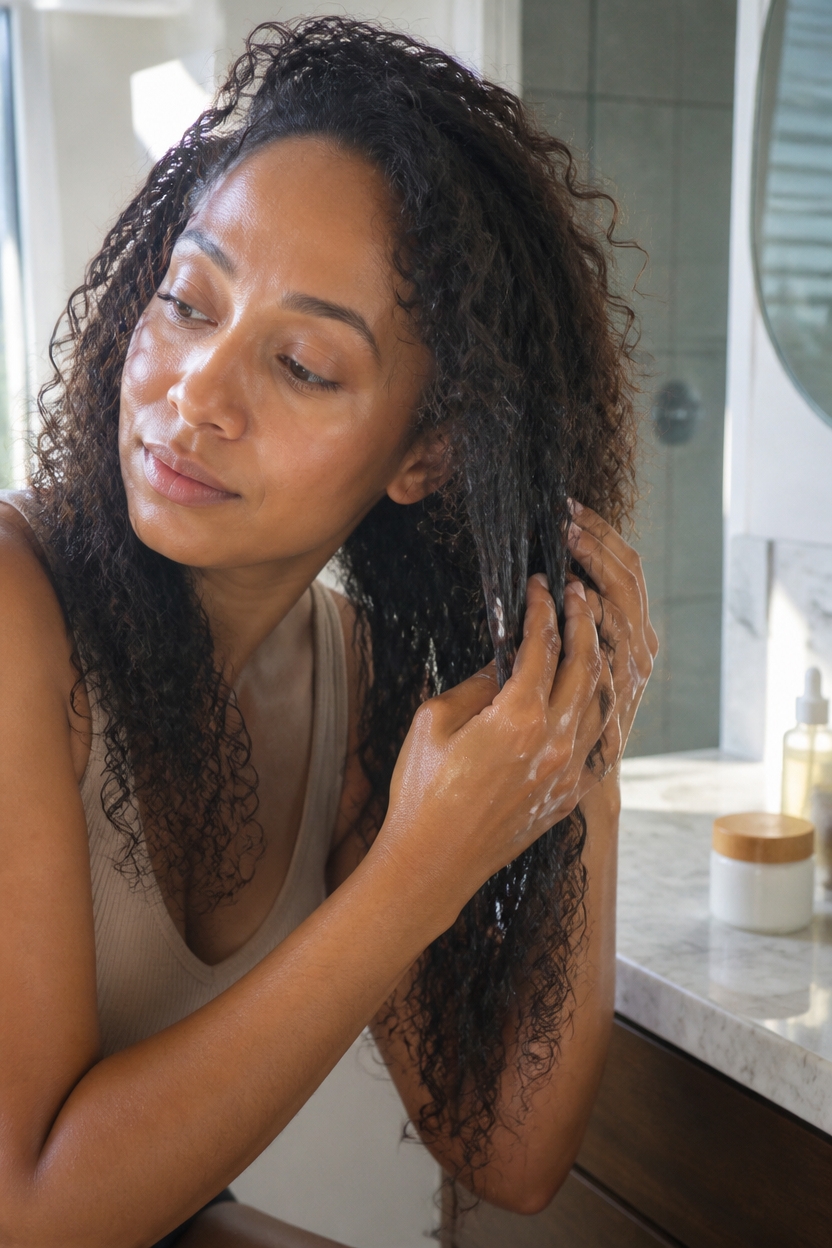
Some curl patterns can go five to seven days between washes without looking neglected.
Curly hair’s natural shape slows oil distribution, since sebum travels less easily down twists and coils than straight strands. This keeps roots drier for longer, even as ends stay parched. Dry hair follows a similar rule. Overwashing strips what little moisture remains, leading to frizz and breakage.
Instead, rely on co-washing or a hydrating cleanser like DevaCurl No-Poo between full washes.
Follow with a leave-in conditioner and diffuse on low heat. The result: defined, bouncy curls that still feel soft, not stripped.
Do Fine and Thick Hair Need Different Schedules?
Since hair texture determines how oil travels along the strand, fine and thick hair sit at opposite ends of the washing spectrum. Fine strands show oil quickly, often requiring washes every one to two days to avoid limp, flat roots.
Thick hair, however, can go three to five days before oil reaches visible levels, since its density slows sebum’s journey down each strand.
Thicker hair traps moisture and oil closer to the scalp. For fine hair, a lightweight formula like Living Proof Full Dry Shampoo keeps roots refreshed without buildup.
Thick hair benefits from richer cleansers, like Briogeo’s Scalp Revival Shampoo, that penetrate density effectively.
Texture, not thickness, truly dictates the schedule, we can’t get enough of that distinction.
How Your Lifestyle Changes Your Wash Routine
Desk-bound days with minimal sweating, though, may stretch that timeline.
Dry shampoo, like Living Proof’s Perfect Hair Day formula, becomes a practical bridge between washes. We can’t get enough of how it revives roots without stripping strands.
Travel, seasonal humidity, and even pillowcase fabric factor in too. Silk pillowcases reduce friction and oil transfer overnight.
Ultimately, lifestyle isn’t static, so wash schedules shouldn’t be either. Paying attention to scalp feel, not just the calendar, keeps hair balanced and genuinely healthy.
Signs You’re Washing Your Hair Too Much
How does hair reveal it’s being washed too often? The scalp often speaks first. Excessive dryness, flaking, or an itchy scalp can signal that natural oils are being stripped away too frequently. Strands may feel brittle, look dull, or tangle more easily than usual.
Overwashing disrupts the scalp’s microbiome, leading to irritation and imbalance. Color-treated hair fades faster with frequent washing, losing vibrancy and shine. Fine hair might feel oddly coarse, while curls can lose their defined pattern, appearing frizzy instead of springy.
If shampoo lather feels harsh or hair looks limp by midday, it’s worth reconsidering the routine. Switching to a gentle, sulfate-free formula, like Olaplex No. 4, can help restore balance; we can’t get enough of that.
Signs You’re Not Washing Your Hair Enough
On the opposite end of the spectrum, hair can also suffer from too little washing. Product buildup, excess oil, and flaking scalp are the telltale signs.
Hair that looks limp, smells stale, or feels waxy to the touch needs attention. A dull, gray-ish cast on strands often points to accumulated residue rather than natural color.
Itchy or flaky scalp is another red flag, often mistaken for dandruff when it’s really buildup.
A clarifying shampoo, like Neutrogena Anti-Residue, can reset things. For daily freshness between washes, we can’t get enough of scalp scrubs formulated with salicylic acid to gently exfoliate and balance oil production.
How to Build a Routine That Works for You
Finding the right wash frequency isn’t about following a strict rule; it’s about listening to individual hair type, lifestyle, and scalp needs.
Start by tracking how hair feels and looks over a week. Notice oil buildup, texture changes, and scalp comfort before adjusting habits.
Dry or curly types may thrive on co-washing between shampoos using something like DevaCurl No-Poo, while fine or oily hair often benefits from a gentle daily cleanser such as Ouai Fine Hair Shampoo.
Your routine should evolve as your hair does. Incorporate dry shampoo, like Living Proof’s, for in-between refreshes, we can’t get enough of that trick.
Ultimately, consistency and observation build the healthiest, most personalized routine.
Frequently Asked Questions
Can Switching Hair Products Affect How Often I Should Wash My Hair?
Yes, switching hair products can affect washing frequency. New formulations may alter oil production, scalp balance, and buildup rates. Individuals typically need two to three weeks to adjust to different products before establishing a new ideal washing schedule.
Is There a Difference in Wash Frequency Between Natural and Color-Treated Hair?
Color-treated hair is like a delicate flower requiring gentler care. Yes, significant differences exist. Color-treated hair needs less frequent washing—typically every two to three days—to preserve pigment. Natural hair can tolerate weekly washing without compromising its integrity or vibrancy.
How Does Water Temperature Impact Oil Production and Washing Frequency Needs?
Hot water strips natural oils from the scalp, triggering increased sebum production and necessitating more frequent washing. Conversely, lukewarm or cool water preserves oils, reducing buildup and extending the time between washes for most individuals.
Should I Adjust My Wash Schedule During Different Seasons or Climate Changes?
Yes, individuals should modify their wash frequency based on seasonal changes. Humid climates increase oil production, requiring more frequent washing, while dry seasons demand less frequent washing to preserve natural oils and prevent damage.
Can Certain Medications or Health Conditions Affect How Often to Wash Hair?
Studies show that approximately 20% of hair loss cases relate to medication side effects. Yes, certain medications and health conditions considerably affect washing frequency. Thyroid disorders, hormonal imbalances, and medications like anticonvulsants can alter scalp oil production, requiring adjusted hair care routines.
Conclusion
Finding your ideal wash frequency requires understanding your unique hair type and lifestyle needs. Oily scalps demand frequent cleansing; dry and curly textures thrive with less washing. Fine hair benefits from regular washing, while thick hair tolerates extended intervals. Monitor your hair’s response carefully. Too much washing strips natural oils; too little allows buildup. Your personalized routine emerges through patient observation and strategic adjustments, creating sustainable practices that keep hair healthy and manageable long-term.