The buzz around rosemary oil and hair growth has taken over social media feeds, wellness blogs, and even mainstream beauty culture. But what does the actual science say? The answer is more complicated than most influencers suggest.
One frequently cited 2015 study did find that rosemary extract performed comparably to minoxidil in promoting hair growth. That is a genuinely interesting result, but it is also just one study. Most commercial rosemary oil products have not been tested with the same rigor, which creates a significant gap between marketing claims and real evidence.
Scalp circulation benefits are often used to explain why rosemary oil might work, and there is some biological logic to that reasoning. Improved blood flow could theoretically support follicle health, but “could theoretically” is very different from “clinically proven.”
For anyone dealing with noticeable hair loss, relying solely on rosemary oil carries real risk, mostly the risk of delaying more effective treatment. Proven options like minoxidil and finasteride have decades of clinical data behind them. Rosemary oil may have a supporting role to play, but it is not a replacement for evidence-based care.
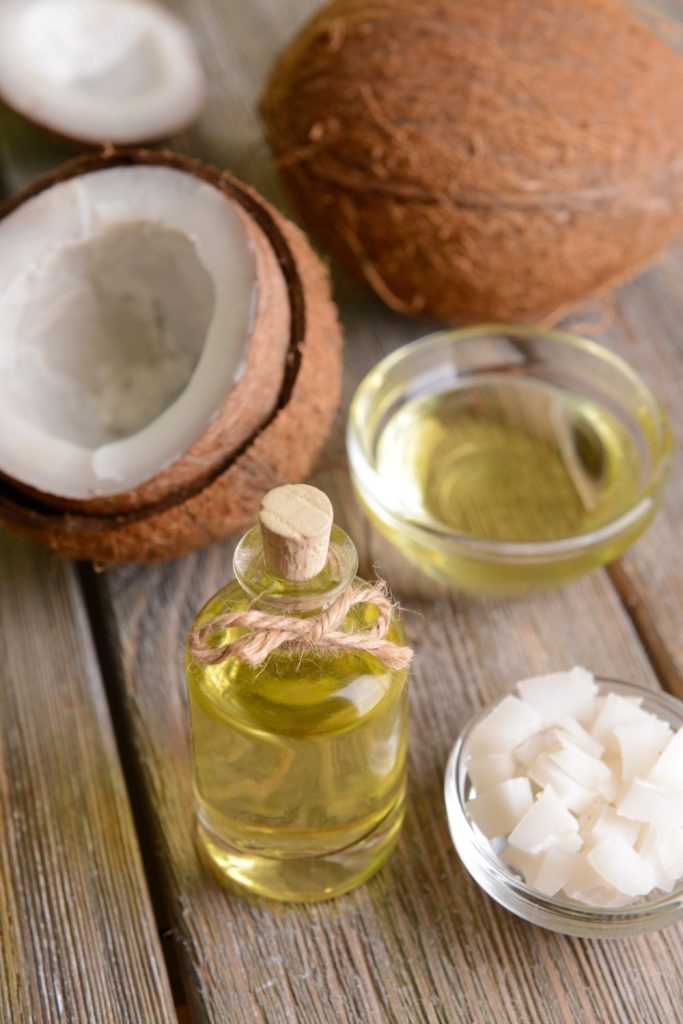
Also read: Is Coconut Oil Good for Your Hair? Benefits and How to Use It
What Research Actually Found (And Didn’t Find)
While rosemary oil has become a staple in beauty routines worldwide, the scientific evidence supporting its hair growth claims tells a more nuanced story than marketing materials suggest.
Research has documented rosemary oil’s potential benefits. A 2015 study found that rosemary extract performed comparably to minoxidil, a clinically proven hair loss treatment, in stimulating hair growth over six months. However, the research involved extract, not essential oil, applied topically in controlled settings.
Most commercial rosemary oil products lack rigorous clinical testing. The evidence remains limited to small-scale studies with inconsistent methodologies.
Dermatologists acknowledge rosemary’s promising compounds, including carnosic acid, yet emphasize that current data doesn’t conclusively prove effectiveness for all hair types.
Marketing often overstates these preliminary findings. Quality matters greatly; dilution ratios and product formulation substantially impact results.
How Rosemary Oil Might Trigger Hair Growth

Several mechanisms could explain rosemary oil’s effects on hair follicles. The oil may improve blood circulation to the scalp, delivering nutrients that dormant hair roots need. Carnosic acid, a compound found in rosemary, appears to protect hair cells from oxidative stress and damage. This protection potentially allows follicles to remain in their growth phase longer.
Additionally, rosemary oil might reduce inflammation on the scalp, creating a healthier environment for hair development. Some research suggests the oil stimulates mitochondrial activity within follicle cells, fundamentally energizing them.
These combined actions, improved circulation, cellular protection, inflammation reduction, and enhanced energy, create conditions supporting hair growth. While individual results vary markedly, understanding these mechanisms helps explain why dermatologists increasingly recommend rosemary oil-based treatments alongside conventional approaches for addressing hair thinning.
Rosemary Oil vs. Minoxidil: What The Evidence Shows
However, minoxidil remains the clinically proven frontrunner with decades of documented efficacy.
Rosemary oil offers a natural alternative without potential side effects like scalp irritation or unwanted facial hair growth. The key difference lies in consistency: minoxidil delivers predictable, measurable results for most users.
Dermatologists often recommend combining approaches. Users might apply minoxidil while incorporating rosemary oil into weekly scalp treatments for enhanced nourishment.
This dual strategy maximizes growth potential while leveraging both scientific validation and botanical benefits.
Should You Use It? Weighing Science and Skepticism
When considering rosemary oil for hair growth, consumers face a decision rooted in personal priorities rather than universal answers. The evidence supports modest benefits, particularly for stimulating scalp circulation and reducing hair loss. However, results require consistent application over months, not weeks.
Users seeking tangible improvements should combine rosemary oil with proven treatments like minoxidil for enhanced outcomes. Quality matters considerably; pure essential oils from reputable brands outperform diluted versions. Dermatologist Dr. Wilma Bergfeld notes that rosemary oil works best within a thorough hair care routine.
Budget-conscious individuals might start with rosemary oil alone, monitoring progress at three-month intervals. Those experiencing large-scale hair loss should consult professionals before relying solely on botanical treatments.
Realistic expectations and patience determine whether rosemary oil becomes a worthwhile addition to personal grooming protocols.
How To Use Rosemary Oil For Hair
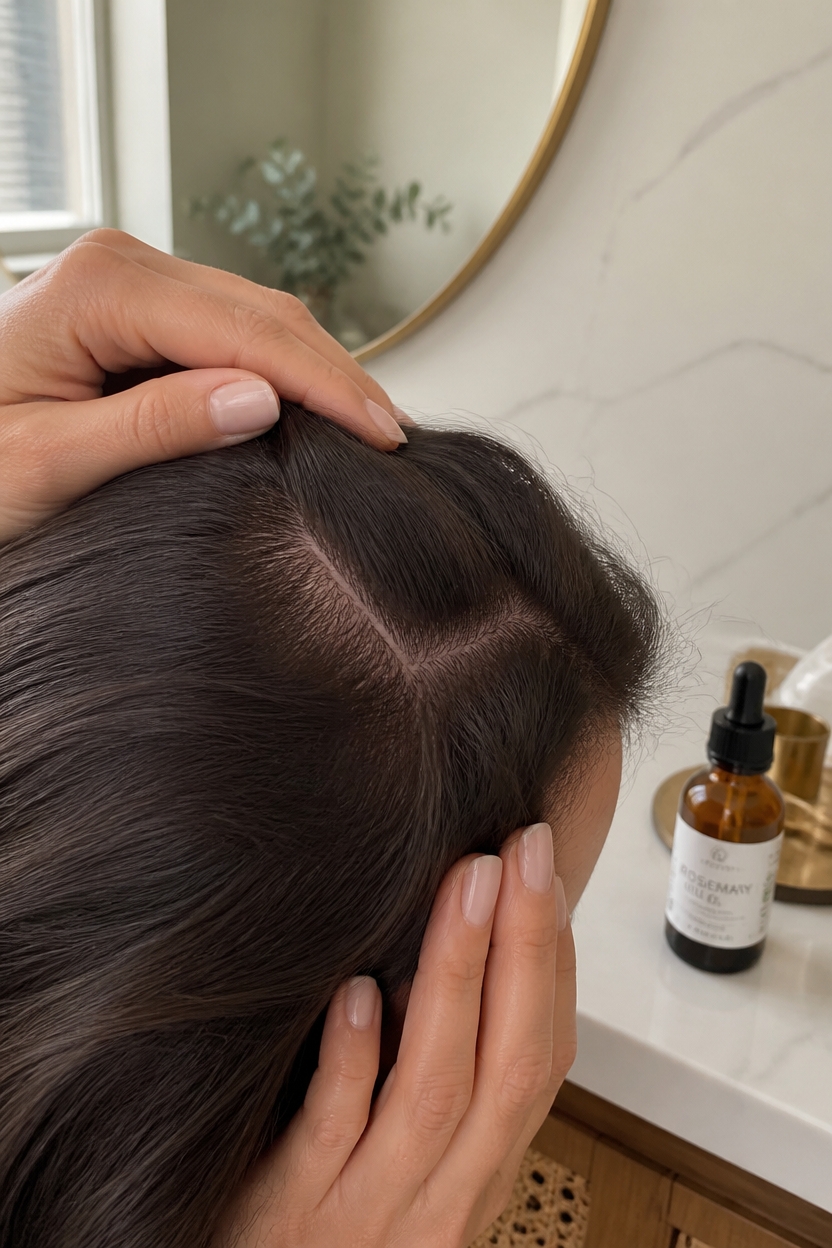
After establishing realistic expectations about rosemary oil’s benefits, the next step involves proper application technique. Users should dilute rosemary essential oil with a carrier oil like coconut or jojoba oil before applying directly to the scalp. A typical ratio is five drops of rosemary oil per tablespoon of carrier oil.
Apply the mixture to the scalp using gentle massage motions for five to ten minutes. This increases blood flow to hair follicles. Leave the treatment on for at least thirty minutes, or overnight for deeper conditioning. Wash thoroughly with mild shampoo afterward.
Consistency matters greatly. Dermatologist Dr. Debra Jaliman notes that results require sustained application over several months.
Weekly treatments show better outcomes than sporadic applications, making rosemary oil part of a dedicated hair care routine rather than a quick fix solution.
Frequently Asked Questions
Is Rosemary Oil Safe for All Hair Types and Scalp Conditions?
Rosemary oil is generally safe for most hair types, though individuals with sensitive scalps should perform patch tests first. Those with certain scalp conditions like psoriasis or dermatitis may experience irritation and should consult dermatologists before use.
Can Rosemary Oil Interact With Medications or Other Hair Treatments?
Coincidentally, rosemary oil’s potential interactions with medications warrant consideration. It may interact with blood thinners, anticoagulants, and certain topical treatments. Users should consult healthcare providers before combining rosemary oil with prescription medications or professional hair treatments to avoid adverse reactions.
How Long Does It Take to See Results From Rosemary Oil?
Results typically require consistent application over three to six months. Most studies demonstrating hair growth benefits involved regular use periods of this duration. Individual outcomes vary based on hair condition, application frequency, and overall scalp health.
What’s the Difference Between Rosemary Essential Oil and Rosemary Infused Oil?
Like comparing a concentrated essence to a diluted whisper, essential oil represents rosemary’s pure, potent compounds extracted through distillation, while infused oil suspends dried rosemary leaves in a carrier oil base, offering gentler application suited for direct skin contact.
Does Rosemary Oil Work for Specific Types of Hair Loss Like Alopecia?
Research suggests rosemary oil may help with androgenetic alopecia, showing results comparable to minoxidil in some studies. However, evidence remains limited for other alopecia types, and individuals should consult dermatologists before use.
Conclusion
Rosemary oil paints a promising portrait of natural hair care, yet science reveals a nuanced picture. While research suggests potential benefits for scalp health and follicle protection, most evidence remains preliminary. The 2015 minoxidil comparison stands as rosemary’s strongest claim, though broader validation lags. Users seeking maximum results should layer rosemary oil with proven treatments, creating a thorough regimen that blends botanical wisdom with dermatological rigor.