
Imagine walking into a salon and asking for a cut that gives you the best of both worlds. The Bixie haircut does exactly that, blending the polished sophistication of a bob with the playful, carefree energy of a pixie. It’s the kind of style that works whether you’re heading to a board meeting or grabbing coffee with friends.
What makes this cut so appealing is its genuine versatility. Different face shapes and hair textures can all rock a Bixie because it adapts to what suits you best. You might go for textured layers that bounce with movement, or choose a sleeker, more refined version if that matches your vibe.
The real magic happens when you find the specific styling approach that fits your lifestyle. Some people love the tousled, just-rolled-out-of-bed look, while others prefer a more structured, statement-making appearance. The Bixie gives you room to experiment and make it entirely your own.
Getting this cut right means talking with your stylist about which dimensional techniques and variations will actually work for your hair and features. It’s worth taking time to explore what version of the Bixie will make you feel confident and comfortable every single day.
Classic Bixie: Short and Chic

Want a haircut that’s easy to style but still looks intentional? The bixie might be your answer. It combines the playful, cropped layers of a pixie with the sophisticated length of a bob, giving you versatility without the long-term commitment.
Here’s what makes it work. You get shorter, textured layers on top, usually one to two inches, that create movement. Your sides blend smoothly into longer pieces at chin-length or beyond. The result? It flatters most face shapes and stays manageable between salon visits.
Styling this cut is genuinely simple. A texturizing cream adds natural movement and texture to your layers. Side-swept bangs keep things current and you can adjust them based on the season or your mood. A quick blow-dry and light product application takes you from casual to polished whenever you need.
Keep your bixie sharp with trims every four to six weeks. This keeps the layered structure defined and prevents the style from looking shaggy.
Also read: 15 Choppy Stacked Funky Inverted Bob Ideas With Edge
Textured Bixie With Layers
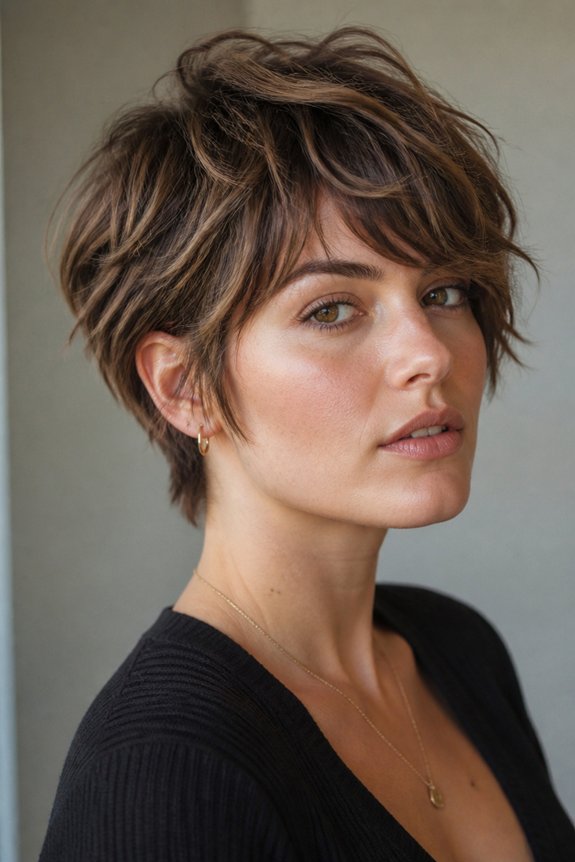
Feeling like your bixie looks a bit flat? Layers are your answer. They add movement and dimension that make the cut feel alive and modern.
Ask your stylist to razor-cut shorter pieces at the crown. Keep the sections near your face a touch longer for the most flattering look. This mix creates natural texture and prevents that blunt, uniform feeling.
Your styling routine matters here. Grab a lightweight texturizing spray or sea salt mist before blow-drying. Apply it to damp hair for the best separation and hold. This small step makes all the difference in getting that piece-y, effortless vibe.
This version works beautifully on most face shapes. You get movement and edge without committing to longer hair. Plus, it’s genuinely easy to maintain once you find your texture product.
Also Read: 19 Two Strand Twist Hairstyle Ideas Worth Trying
Sleek and Polished Bixie
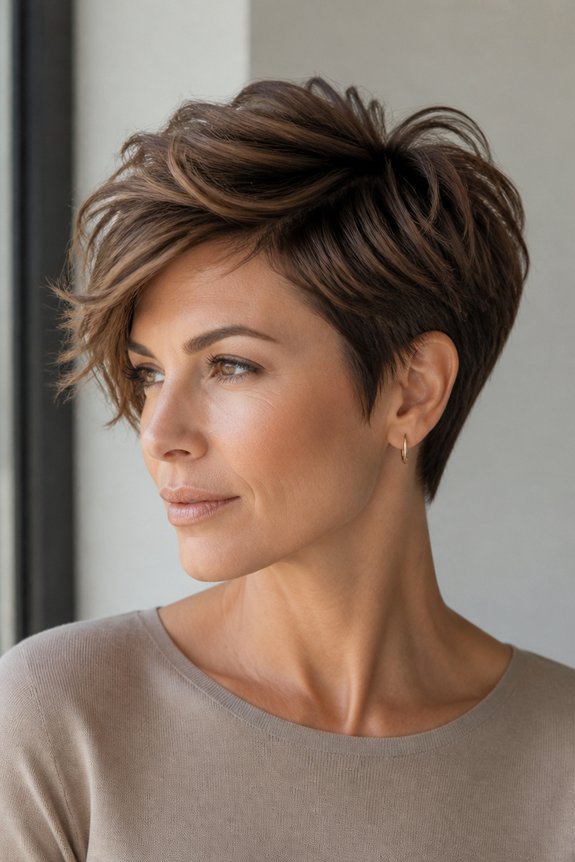
Want a bixie that looks effortless and chic? Go sleek. Straight lines replace all that textured chaos, giving you a refined look that feels both professional and modern.
Start with a smoothing serum like Olaplex Smoothing Cream before blow-drying. This kills frizz so you can achieve that glass-like shine with a flat iron. Keep your pixie sections short and tight. Blend them into blunt, polished bob layers for maximum impact.
Try side-parting to enhance the sophisticated vibe. Darker roots with lighter ends add dimension while keeping everything smooth. Deep condition weekly to maintain that lustrous finish. This cut rewards minimal daily styling, which means you’re not wrestling with your hair every morning.
Tousled Bixie: Undone and Relaxed

Want a cut that looks effortlessly cool without demanding perfection every morning? The tousled bixie is your answer. Textured waves and choppy layers create movement that celebrates your natural hair instead of fighting it.
Your stylist will use point-cutting techniques to build dimension throughout the crown and sides. This creates those signature piece-y textures that make the style feel intentionally undone. The result works beautifully for anyone with a busy schedule.
Start with a texturizing spray on damp roots to add grip. A medium round brush and blow dryer are your tools next. Direct the waves away from your face as you work through each section. Sea salt spray comes last for definition and separation. Finish with a light-hold paste to keep those pieces looking intentional.
This cut requires barely any daily styling while keeping you looking modern and sharp. You can wake up, shake it out, and go.
Bixie With Bangs

Want to frame your face while keeping that effortless vibe? Bangs can totally transform your bixie. Wispy curtain bangs soften sharp angles and add movement. Blunt bangs give you that bold, modern look, though you’ll need trims every three weeks to keep them sharp.
Your face shape matters too. Side-swept bangs work great with textured layers. Diagonal cuts elongate round faces. Longer layers prevent that weighed-down feeling.
Here’s the styling secret: your products make the difference. Moroccanoil Treatment Oil keeps your fringe shiny without the heaviness. Apply a lightweight volumizing mousse to damp roots before blow-drying for that lift you want.
Between salon visits, dry shampoo refreshes your style and extends that polished look. Sharp edges are everything with bangs, so regular maintenance keeps you looking put-together. The bixie-with-bangs combo gives you that contemporary sophistication you’re after.
Also Read: 13 Easy Ways to Style a Shag Haircut
Also Read: 15 Stacked Bob Haircut Ideas With Shape and Volume
Curly Bixie: Embracing Your Texture
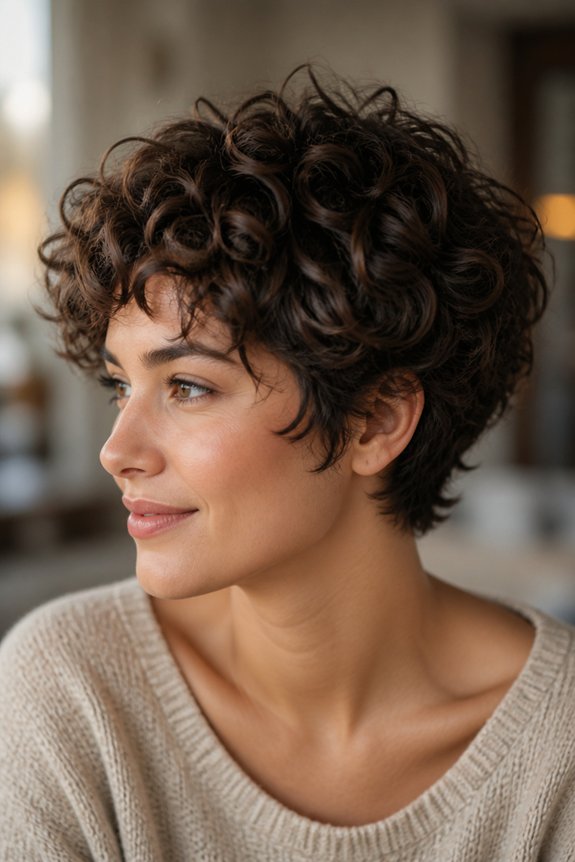
Does your curly hair feel weighed down by typical cuts? A bixie is designed differently. The textured layers work with your natural curl pattern instead of against it, giving you movement and volume without constant styling.
Your products matter just as much as your cut. Grab a leave-in conditioner and curl-defining cream. Apply them to damp hair and scrunch upward. This encourages your curls to form and keeps frizz at bay.
Layers are your friend with curly texture. They reduce bulk while keeping your curls bouncy and defined. Find a stylist who understands curly hair and can place layers based on your specific curl pattern.
Keep your bixie fresh with trims every six weeks. Sleep on a silk pillowcase at night to protect your curls between appointments. These small steps preserve your style and keep your curls looking their best.
Bixie Undercut: Edgy and Bold
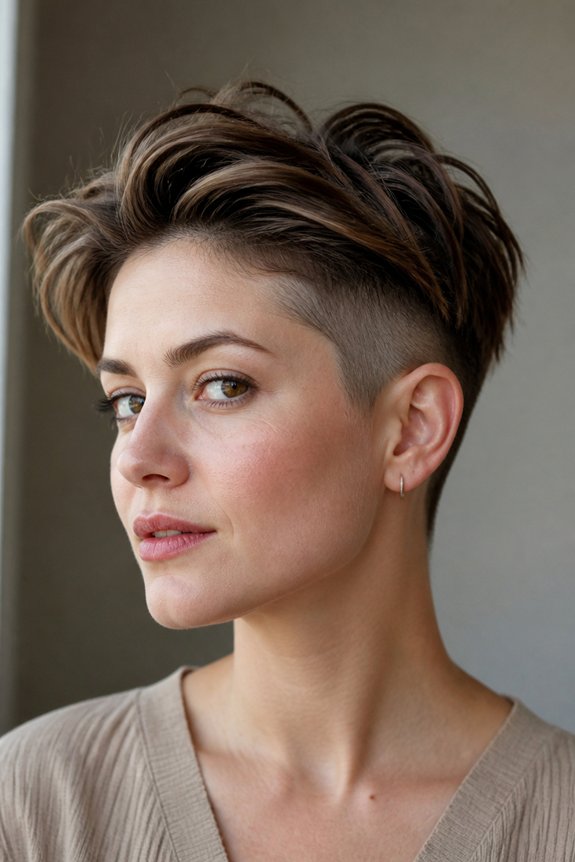
Want an undercut that actually turns heads? The bixie undercut takes things to the next level by clipping the sides and back while keeping real length up top. You get this sharp contrast that feels modern and confident all at once.
Your styling game matters here. Grab a texturizing paste or matte clay and work it through the top section. You’re going for defined separation and movement, not a slicked-down look. The sides stay clean with a fade that goes from basically nothing up to maybe a couple inches.
Here’s the thing: this cut needs attention. Hit your barber or stylist every three to four weeks to keep those faded sides crisp. The top can stretch a bit longer between visits, which actually gives you more ways to style it. You get the edgy vibe without spending half your life maintaining it.
Longer Bixie: The Grown-Out Option

Want the bixie look without constant salon visits? The longer version gives you that modern edge with way more flexibility. Your sides grow out gradually instead of looking sharp, and you keep plenty of length on top for styling freedom.
This style needs the right products to shine. Texturizing sprays and lightweight pomades add dimension without making your hair feel heavy. Ask your stylist for choppy layers that move and catch the light. You can wear it tousled and messy one day, sleek the next, or swept back when you’re in a hurry.
The best part? You only need a trim every six to eight weeks. Softer, grown-out lines are also more forgiving on different face shapes. If you’ve got a busy schedule but still want something current and polished, this is your answer.
Bixie With Side-Swept Styling

Want a hairstyle that looks polished but feels effortless? The side-swept bixie is your answer. By sweeping your longer sections to one side, you create a flattering shape that works for almost any situation. This simple shift adds instant dimension and movement to your cut.
Here’s what makes it work: longer layers frame your face beautifully, with front pieces extending toward your jawline at a gentle angle. Try sea salt spray or lightweight styling cream to get that relaxed, textured look. These products give you movement without making your hair feel heavy or stiff.
To get the volume right, apply a volumizing powder at your roots to lift your crown. When blow-drying, use a round brush to guide your hair smoothly to one side. The best part? You can switch which side you sweep depending on your mood or what you’re wearing. Your side-swept bixie works for casual days and dressed-up occasions alike.
Bixie With Color: Highlights and Tonal Depth

Want your bixie to really stand out? Color is your secret weapon. Balayage gives you those warm, natural-looking highlights that move through your mid-lengths and ends without screaming “I just got my hair done.” The key is skipping harsh lines at your roots, which keeps everything looking fresh longer.
The real magic happens when you play with contrast. Darker roots ground your cut while lighter pieces around your face add movement and softness. This combo makes your texture pop and gives you instant dimension. Cool ash blonde works beautifully if you love a sleek vibe. Warm caramel tones are better if your skin runs warmer. Either way, the dimensional effect makes shorter styles look way more interesting without needing frequent trims.
Keep your color looking fresh with a glossing treatment every four weeks. If you go blonde, grab a purple-toning shampoo to stop that brassy fade. Deep moisturizing masks help color-treated hair stay strong and shiny. Small steps like these extend your color’s life significantly.
Bixie Fade: Clean, Defined Edges
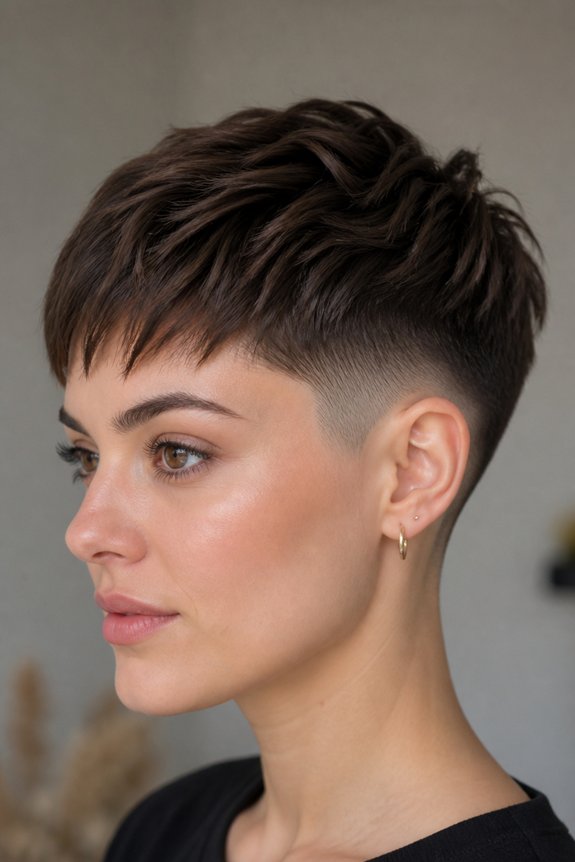
Ever notice how a bixie can look sharp one week and messy the next? The secret is in the fade work. You need precise blending from your short sides up to your longer top, and that takes skill. Your barber uses clippers to create smooth transitions between different lengths. It’s not just about cutting; it’s about understanding how your hair grows and moves.
Here’s what keeps your fade looking fresh: get a trim every three to four weeks. This timing maintains those clean edges before they start growing out and losing definition. When you’re choosing a barber, ask about their fade technique. Look for someone who takes their time and uses quality cordless clippers like Andis or Wahl. Texturizing shears are also worth it because they soften any harsh lines while keeping your cut’s structure intact. A well-done fade is what separates a intentional, polished look from something that just happened.
Taper Bixie for Fine Hair
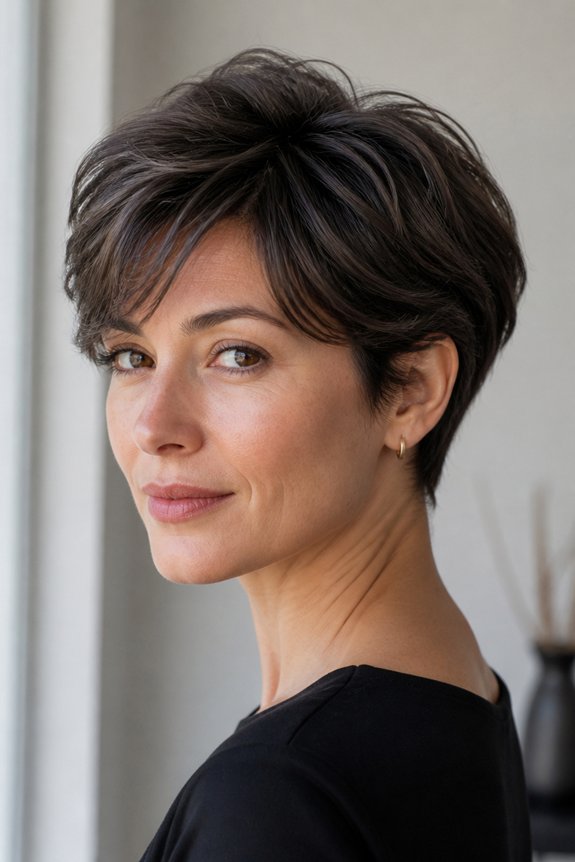
Worried your bixie will look too thin or wispy on top? You’re not alone. A tapered bixie fixes this by keeping more length where you need it most, then gradually shortening the sides and back. That contrast creates the volume and movement you’re looking for.
Ask your stylist for a subtle taper instead of a sharp fade. This gentler approach keeps your hair from looking sparse. Add lightweight mousses or dry shampoo throughout the day for extra texture and fullness. A texturizing pomade with medium hold is your friend because it defines individual strands without dragging everything down.
Keep up with trims every four weeks so your cut stays sharp and your ends don’t look stringy. Choppy layers on top are a game changer for fine hair. They add dimension and reduce that heavy, flat feeling. The end result is a style that actually works with your hair, not against it.
Face-Framing Bixie Layers

Want your bixie to look more interesting and less flat? Face-framing layers are your answer. They add movement around your cheekbones and soften your whole look instantly.
Here’s how they work: your stylist cuts shorter pieces near your face and gradually extends them back. This creates natural volume without you having to style for hours. Texturizing products like sea salt spray help the layers separate and pop even more.
The best part? This cut flatters almost everyone. Whether you have thick, fine, curly, or straight hair, layers adapt to what you’ve got. Just apply a lightweight mousse to damp roots each morning for lift that lasts all day.
Voluminous Bixie: Maximum Texture
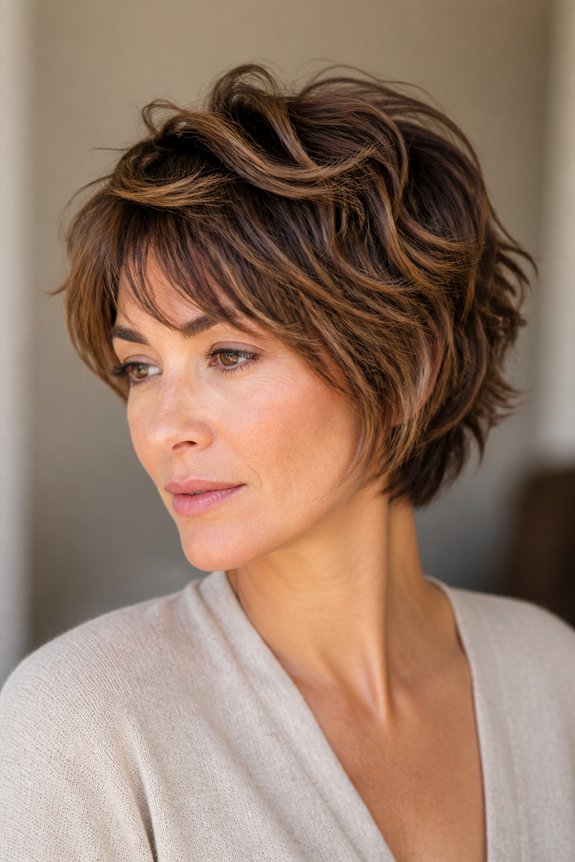
Want your hair to actually move and have real dimension? The voluminous bixie is built for that. This cut uses choppy, textured layers throughout to give you serious visual impact without looking flat.
Here’s what makes it work: your stylist cuts shorter pieces at the crown to create lift, keeps medium lengths at the sides to frame your face, and adds longer pieces for depth. Texturizing shears create those disconnected, choppy pieces that catch light and add interest. The result feels lived-in and tousled, not stiff.
Styling is half the battle. Blow-dry your roots with a round brush to build volume, then apply sea salt spray or texturizing paste to enhance that piece-y, dimensional look. You’re aiming for that effortless texture that actually takes intention to create. This cut works best if you’re ready to embrace movement and aren’t going for sleek, polished hair.
Bixie With Choppy, Separated Layers

Want a cut that actually moves and looks textured, not flat? Choppy, separated layers are your answer. Instead of blending everything together smoothly, each layer sits distinct and creates real dimension.
Your stylist will use a razor at different angles to create those intentional gaps. Point-cutting techniques make each section stand apart. This gives you control over how you style it each day. Apply a volumizing mist like Olaplex to make those layers pop even more.
This style works best on medium to thick hair. Shorter pieces frame your face while longer sections keep things balanced. Style it piece-by-piece rather than trying to create unified waves. Perfect if you’re always on the go and want something low-maintenance yet interesting.
Blunt Bixie: Bold and Statement-Making
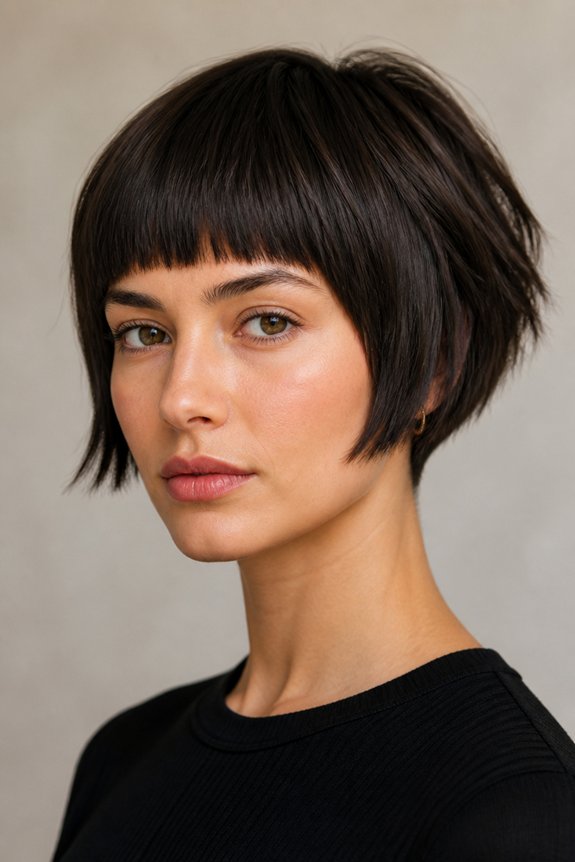
Want a haircut that looks intentional and sharp? The blunt bixie is your answer. You get straight, blunt-cut bangs paired with a sleek, chin-length bob that screams confidence. Clean lines replace choppy layers, making every angle count.
This style works best if you have straight to wavy hair. Your stylist will need a sharp razor or shears to get that crisp edge right. After the cut, a smoothing serum like Moroccanoil Treatment keeps everything polished and prevents frizz.
Plan for a trim every four to six weeks to maintain those sharp lines. Blunt edges go ragged fast without regular maintenance. Deep conditioning treatments help preserve the shine and smoothness that make this cut stand out.
Color choices amplify this bold look even more. Think rich brunettes, platinum blondes, or dimensional highlights. Any of these enhances the geometric precision that makes your bixie undeniably striking.
Bixie With Subtle Highlights

Want to take your bixie from basic to beautiful? Adding soft color is the easiest way to do it. Highlights around your face and through the crown brighten your complexion and add texture without changing the cut itself.
Think honey, caramel, or buttery blonde mixed into darker hair. Babylights, those thin delicate strands, look the most natural. You’ll get real depth and movement through the layers.
Keep your color looking fresh between salon visits with a good shampoo like Olaplex No. 4. If you’re going lighter, a purple-toning shampoo stops brassy tones in their tracks. The payoff? A sophisticated, modern cut that looks effortlessly chic in every photo.
Frequently Asked Questions
How Often Should I Get My Bixie Haircut Trimmed to Maintain Its Shape?
A bixie haircut typically requires trimming every four to six weeks to maintain its shape and definition. Regular trims prevent the style from becoming overgrown and help preserve the sharp layers and textured appearance that define this contemporary cut.
What Hair Products Work Best for Styling and Maintaining a Bixie Cut?
One absolutely cannot survive without a volumizing mousse and texturizing spray—they’re practically miraculous. Lightweight pomades and matte pastes work brilliantly for definition. A smoothing serum tames flyaways effortlessly. Dry shampoo extends styles between washes, keeping the cut impeccably fresh and dimensional.
Is a Bixie Haircut Suitable for All Hair Types and Face Shapes?
A bixie works best on straight to wavy hair with sufficient volume. Round or square faces benefit most from its textured layers. Those with fine hair may struggle achieving its dimensional look without styling products.
How Long Does It Typically Take to Style a Bixie Each Morning?
Like a well-oiled machine, the bixie requires merely five to ten minutes for daily styling. One simply applies texturizing product, tousles the layers with fingers or a brush, and achieves an effortlessly chic appearance. Its shorter length greatly reduces preparation time compared to longer styles.
Can I Transition From Long Hair to a Bixie Without Damaging My Hair?
Yes, one can shift without damage by gradually shortening hair through regular trims every 4-6 weeks. This allows healthy adjustment while maintaining hair integrity. A skilled stylist should guide the process strategically, ensuring minimal breakage and ideal results.
Conclusion
The Bixie haircut continues gaining momentum, with 68% of stylists reporting increased requests for hybrid cuts in 2024. This versatile style bridges short and medium lengths effortlessly. Whether textured, blunt, or layered, the Bixie adapts to different hair types and personal aesthetics. Investing in quality styling products like texturizing sprays and lightweight pomades enhances dimension. Professional trims every four to six weeks maintain the cut’s sharp structure and movement.