Achieving defined, frizz-free curls starts with building the right foundation. A sulfate-free shampoo paired with a moisturizing conditioner containing shea butter or coconut oil sets the stage for healthy, bouncy curls. Skipping this step often leads to dryness and unwanted frizz before styling even begins.
The real transformation happens when the right techniques meet proper product application. Working with wet hair is essential, as curls are most receptive to shaping when they still hold moisture. Scrunching in a leave-in conditioner or curl cream from the ends upward helps lock in definition without disturbing the natural curl pattern.
Diffusing on low heat or air drying are both solid options, depending on your curl type and time constraints. Avoid touching curls while they dry, since handling them prematurely breaks up clumps and invites frizz. Patience during this stage makes a noticeable difference in the final result.
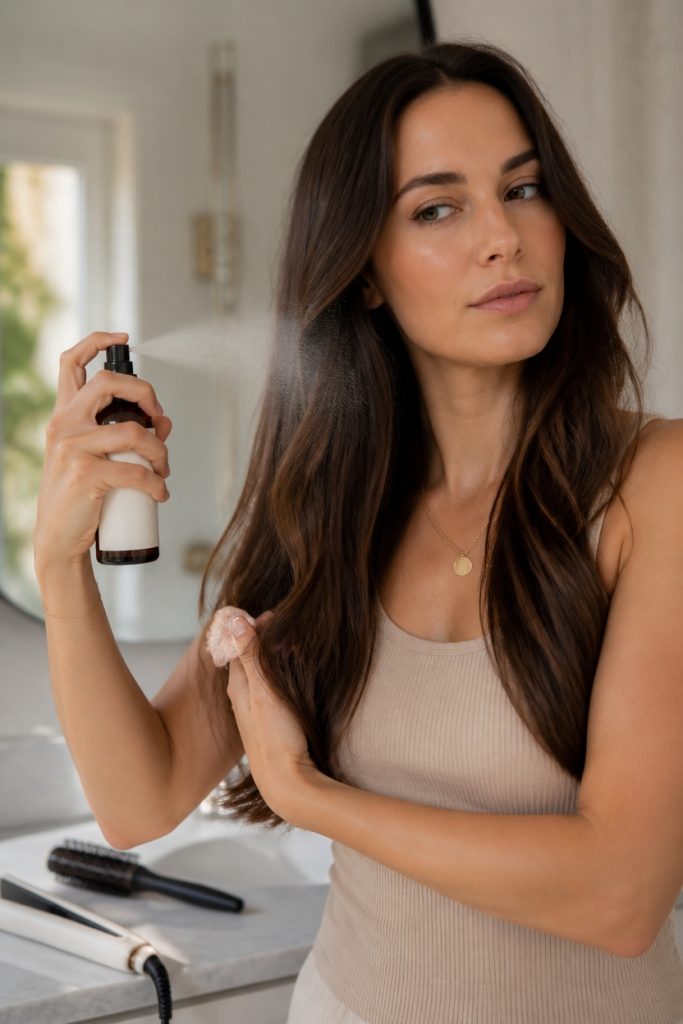
Once curls are fully dry, a small amount of lightweight oil can be used to smooth the outer layer and add shine. Refreshing second-day curls with a water and conditioner mix in a spray bottle keeps them looking fresh without starting over. Consistency with these steps is what separates frustrating results from salon-quality curls at home.
Also read: How to Fix Frizzy Hair: 12 Easy Tips for Smooth Shiny Locks
Start With the Right Shampoo and Conditioner for Your Curl Type
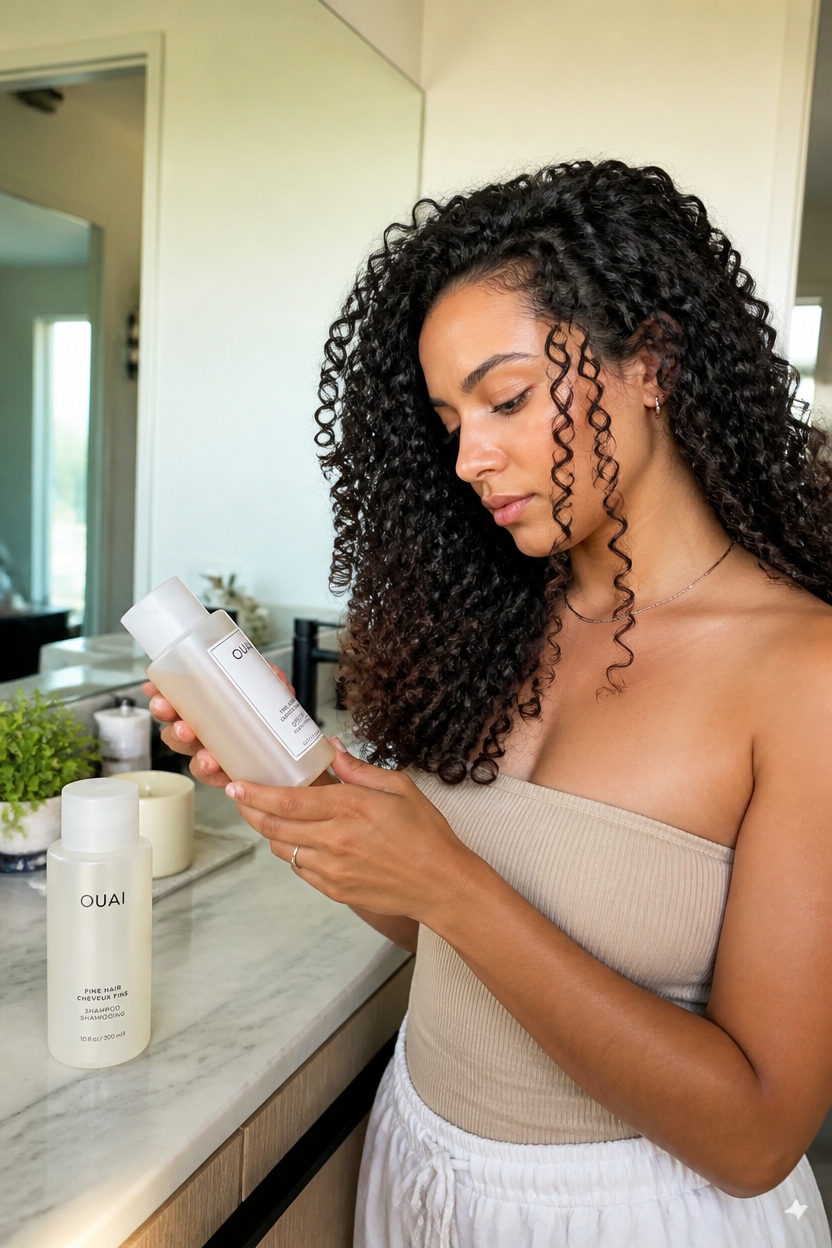
Many people overlook how foundational shampoo and conditioner choices are for curl health. The right products create texture definition and reduce frizz from the start. Curl types range from loose waves to tight coils, each requiring different formulations.
Sulfate-free shampoos cleanse without stripping natural oils that protect curls. Brands like SheaMoisture and Cantu offer curl-specific options targeting different density levels.
Conditioners should contain moisturizing ingredients such as shea butter, coconut oil, or glycerin.
Deep conditioning treatments strengthen curls weekly, preventing breakage and enhancing bounce. Hydration is non-negotiable for curl longevity and definition.
Layering lightweight leave-in conditioners under heavier creams builds moisture without weighing curls down. This foundation determines whether subsequent styling products can truly perform.
Apply Styling Products to Soaking Wet Hair
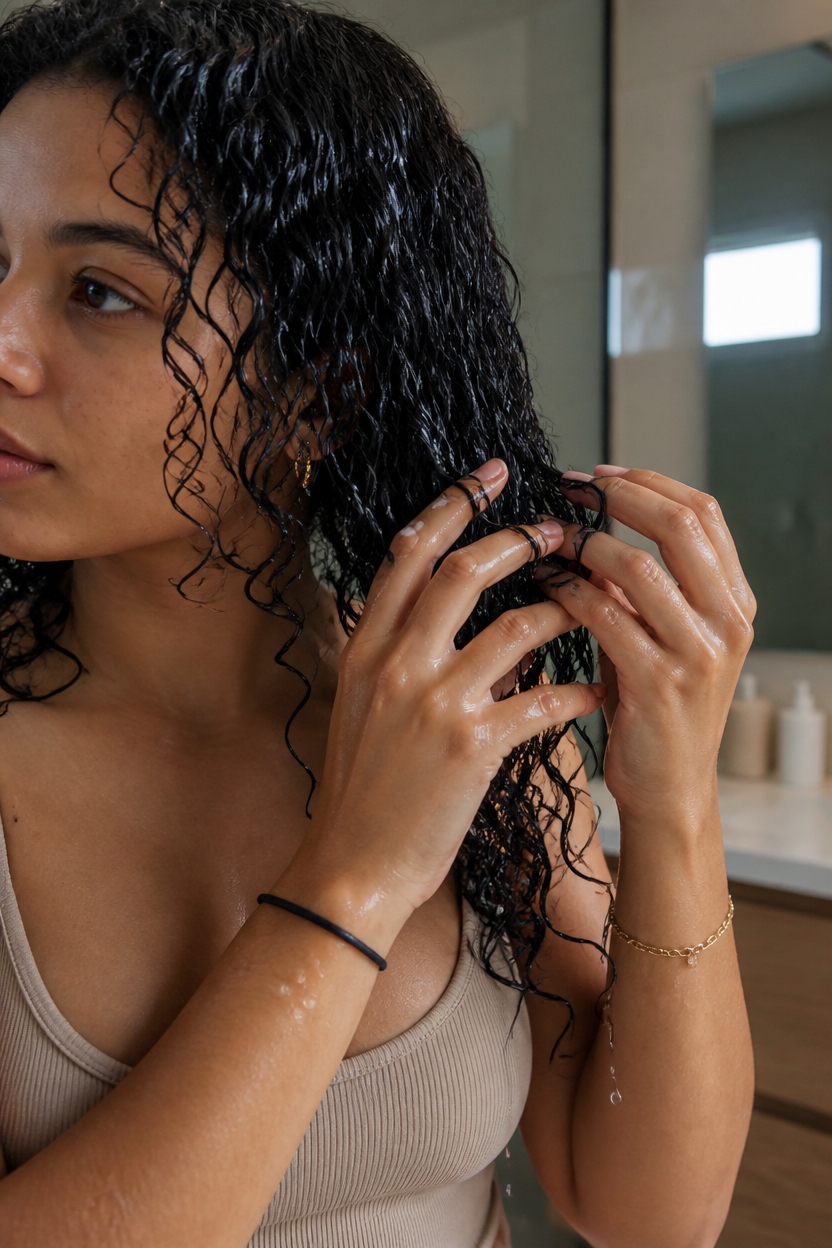
Timing matters enormously when applying styling products to curls. Soaking wet hair creates the ideal canvas for product absorption and definition.
Apply leave-in conditioner first to damp strands, working from roots to ends. This step locks in moisture before layering additional products.
Next, distribute curl cream or gel evenly throughout saturated hair. Use the praying hands method or finger-combing technique for even coverage. Product distribution on soaking wet hair prevents clumping and guarantees uniform curl formation.
Apply lightweight oils or serums to mid-lengths and ends. These reduce frizz while enhancing shine without weighing curls down. The water still clinging to hair helps these products spread smoothly.
Avoid applying products to partially dried curls. Once hair begins drying, product absorption becomes uneven and inconsistent.
Master the Plopping Technique to Boost Definition and Reduce Frizz
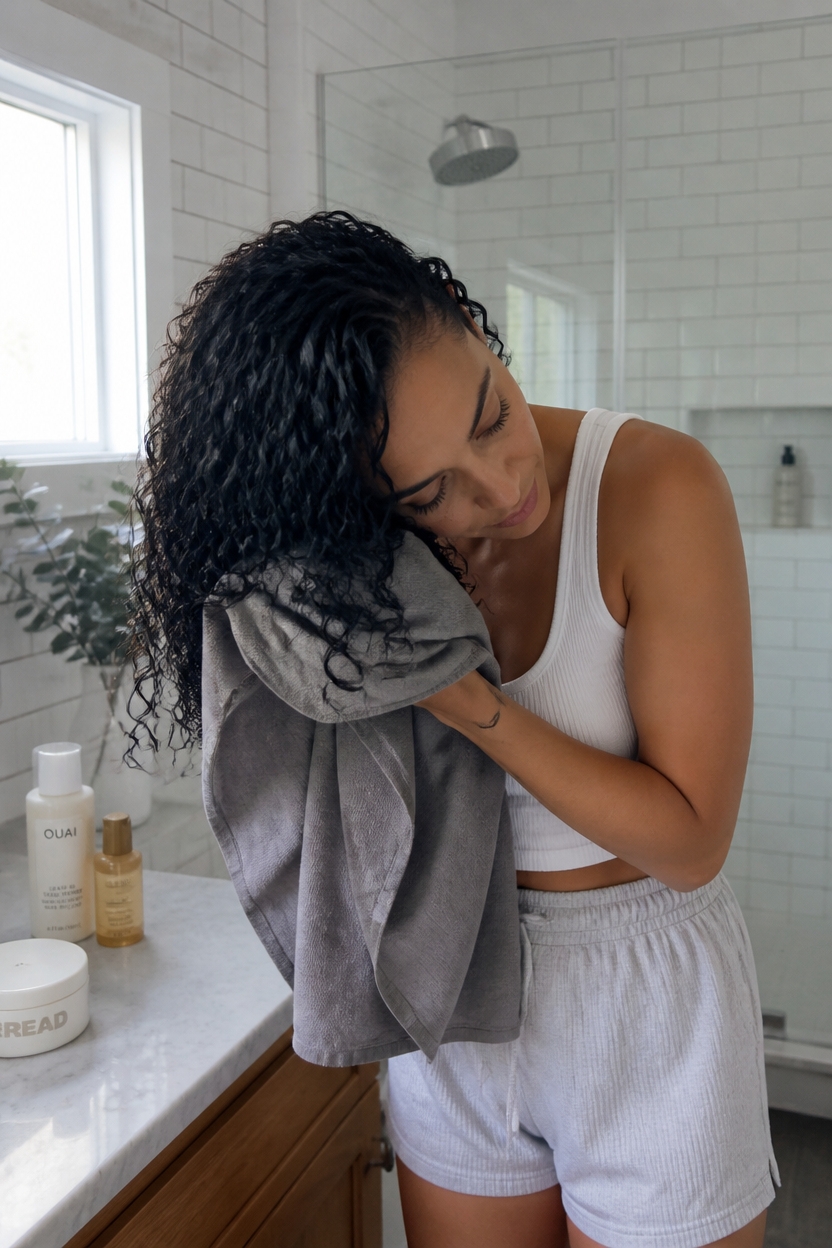
The plopping method’s genius lies in its simplicity: strategic towel wrapping that encourages curl clumping while removing excess water. Instead of rubbing hair dry, this technique uses gentle pressure and time. Grab a microfiber towel or cotton t-shirt, both minimize frizz compared to traditional terry cloth.
Flip your head forward, gather wet curls into the towel’s center, and wrap it around your head like a turban. Leave it in place for 10-20 minutes while products absorb and curls set their shape. This pause prevents definition loss that occurs with air-drying alone.
The technique works beautifully with leave-in conditioners and curl-defining creams. Remove the towel gently, and your curls emerge bouncy, defined, and noticeably less frizzy.
This foundational step distinguishes salon-quality results from rushed styling.
Dry Your Curls for Frizz-Free Shape and Bounce
After plopping, choosing the right drying method transforms wet curls into defined, bouncy waves. Air-drying works well for loose curl patterns but demands patience.
Diffusers attached to blow dryers distribute heat evenly without disrupting curl formation. Stylists recommend moving the diffuser in upward motions, sculpting curls toward the scalp for maximum volume.
Low to medium heat settings prevent frizz and damage that high temperatures create. Microfiber towels and cotton t-shirts absorb excess moisture without rough friction that regular towels cause.
Curlies benefit from styling creams or curl-defining gels applied to damp hair before drying. These products lock moisture in while establishing shape.
The key involves patience and proper technique; rushing the process invites frizz and defeats previous styling efforts.
Keep Your Curls Fresh Between Washes: The Mist-and-Scrunch Method
Extending the life of freshly styled curls requires strategic moisture management between wash days. The mist-and-scrunch method reactivates curl patterns without full rewashing, preserving bounce and definition.
Fill a spray bottle with filtered water and lightweight leave-in conditioner, creating a hydrating mist. Spritz curls until damp, focusing on mid-lengths and ends where frizz typically forms.
Scrunch sections upward gently, encouraging curl clumps to reform along their natural pattern. For enhanced hold, apply a small amount of curl-defining cream before scrunching.
Microfiber towels or cotton t-shirts absorb excess moisture without disrupting curl formation. Air-dry or use a diffuser attachment on low heat.
This method works particularly well for 2B through 4C curl types, revitalizing styles for two to three additional days between shampoos.
Curly Hair Mistakes That Kill Definition (And How to Fix Them)
Even with the mist-and-scrunch method mastered, common styling habits quietly sabotage curl definition before styles reach their full potential.
Overloading curls with heavy products weighs them down, collapsing natural texture. Instead, use lightweight leave-in conditioners and gel formulas that provide hold without density.
Touching curls while they dry disrupts pattern formation and encourages frizz development.
The solution is simple: apply products, scrunch, then resist further manipulation until curls fully set.
Rough towel-drying breaks the curl structure at its foundation. Switch to microfiber towels or cotton t-shirts for gentler moisture absorption.
Avoiding these mistakes transforms even resistant curls into polished, bouncy waves that last for days.
Tailor Your Routine Based on Humidity and Seasonal Changes
Because humidity levels shift dramatically throughout the year, curl patterns respond by expanding, contracting, or frizzing in unpredictable ways. High humidity months require lightweight leave-in conditioners and anti-frizz serums that seal the cuticle layer without weighing curls down.
Winter’s dry air demands heavier moisturizing creams and oils that restore lost hydration. Stylists recommend adjusting product ratios seasonally rather than switching entire routines. Spring and fall shifts need hybrid approaches. Using gel during humid seasons provides hold and definition.
Switching to cream-based stylers in winter prevents stiffness. Environmental awareness transforms frizz management from reactive to strategic. Regular moisture checks help identify when adjustments are necessary.
Observing curl behavior guides better product selection and application techniques throughout changing seasons.
Frequently Asked Questions
How Often Should I Deep Condition My Curls to Maintain Health and Hydration?
One should deep condition curly hair weekly or bi-weekly to maintain ideal health and hydration. The frequency depends on one’s curl type and porosity level. Individuals with drier or tighter curls may benefit from weekly treatments, while looser curls might require bi-weekly conditioning.
What’s the Best Way to Refresh Second-Day Curls Without Starting From Scratch?
One can refresh second-day curls by lightly misting them with a curl refresher spray or water-based product, then scrunching gently upward. Finger-coiling specific sections and allowing them to air-dry restores definition without requiring a full wash.
Can I Use Regular Towels on Curly Hair, or Do They Cause Damage?
Rough terry cloth versus delicate microfiber reveals the contrast. Regular towels create frizz and breakage through friction, while microfiber or cotton t-shirts gently absorb moisture without disrupting curl patterns, preserving definition and health effectively.
How Do I Know Which Curl Type Category My Hair Falls Into?
One determines curl type by examining hair texture when wet and dry. The curl pattern classification system ranges from Type 2 (wavy) through Type 4 (coily). Observing the curl’s diameter, pattern shape, and density helps identify the specific category.
What Ingredients Should I Avoid in Curl Products for Better Results?
A stylist noticed her client’s curls became limp after switching products. One should avoid silicones, sulfates, and alcohol in curl products, as these ingredients create buildup, strip moisture, and cause frizz rather than enhancing curl definition and elasticity.
Conclusion
Curly-haired individuals can cultivate consistently compelling curls through commitment to proper cleansing, conditioning, and styling strategies. By building beneficial habits—from selecting sulfate-free shampoos to mastering the plopping procedure—anyone achieves the defined, frizz-free finish they desire. Personalizing practices based on humidity and seasonal shifts sustains success. With dedication to these definitive methods, beautiful bouncy curls become beautifully achievable and maintainable.