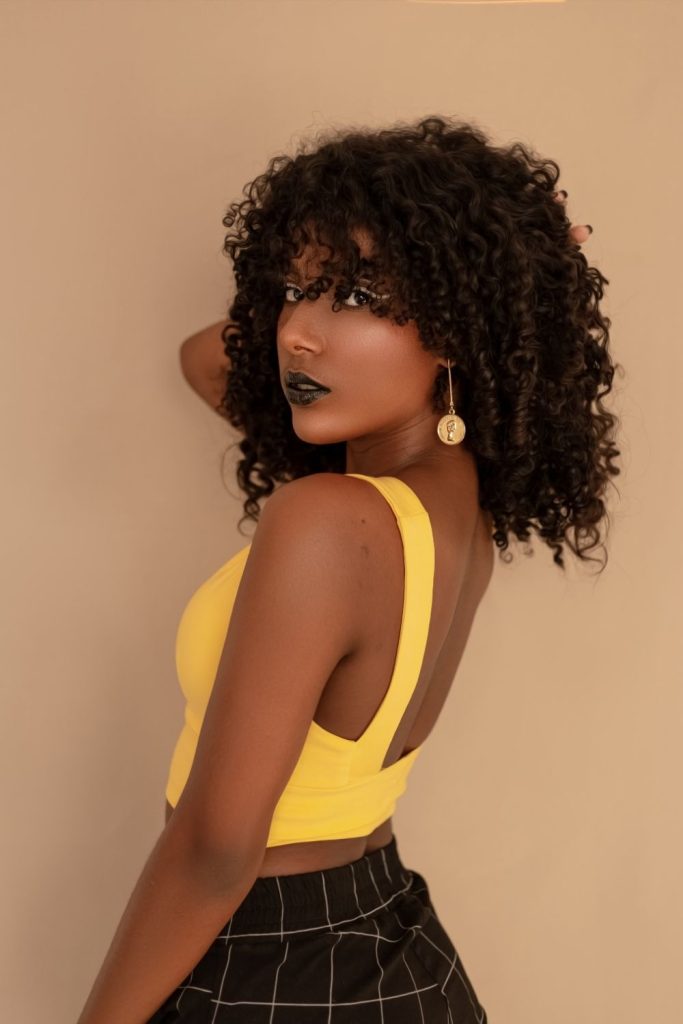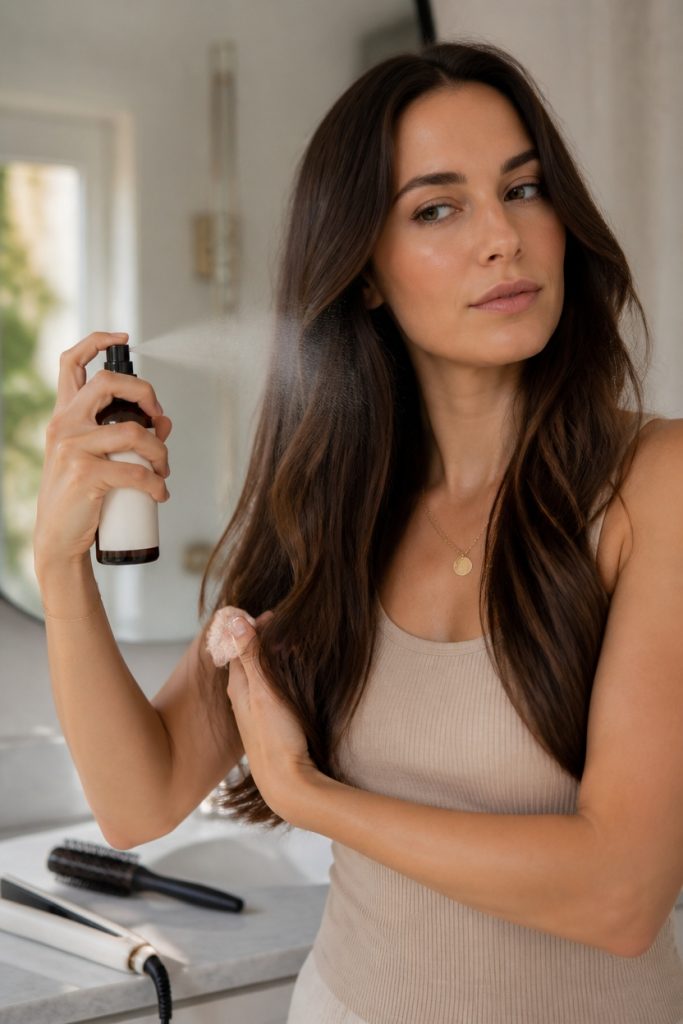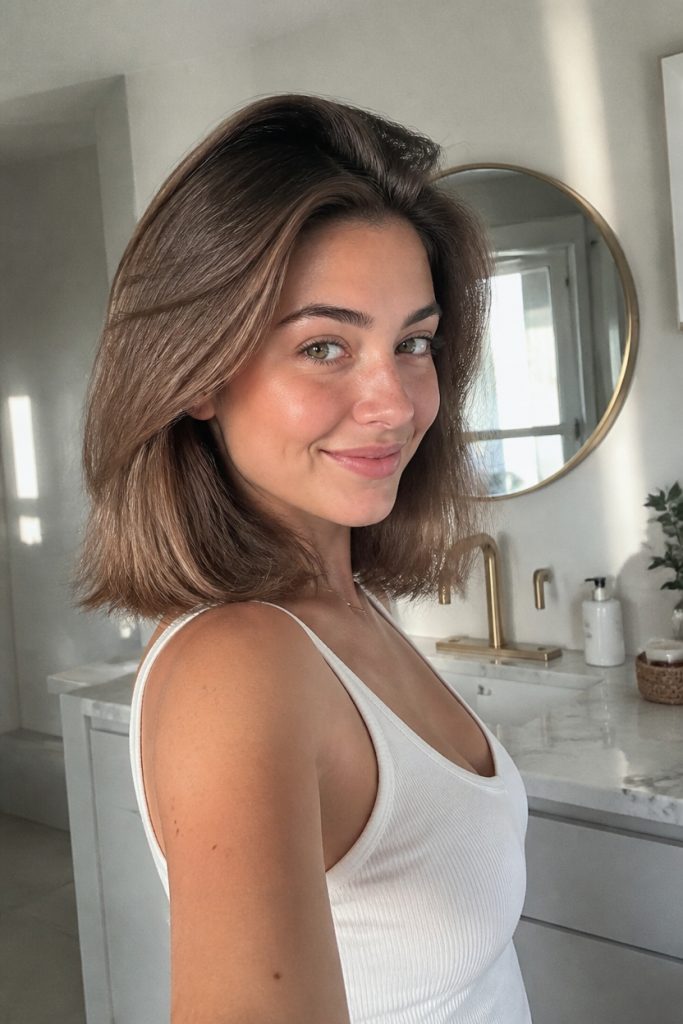
Medium length shag have become the go-to for anyone craving movement and texture in their hair. They work brilliantly across different hair types because they’re built on one simple principle: strategic volume that creates natural flow.
The beauty of shag cuts lies in how customizable they are. Feathered edges soften your face, curtain bangs frame it differently, and asymmetrical lengths add personality. What makes each version special is understanding your hair’s unique texture and what it naturally wants to do.
Fine hair needs different layering than thick strands, and that’s where the real artistry happens. A skilled stylist knows exactly how to thin or build volume depending on what you’re working with.
The right technique can transform how your hair sits and moves throughout the day. Professional styling products matter too, but they only enhance what’s already there.
Once you have the right cut shaped for your hair type, the rest is about finding products that work with your texture rather than against it. That’s when a shag truly comes alive.
Modern Shag Fundamentals

Want a haircut that looks effortlessly cool without feeling overdone? The modern shag gives you that vibe. It’s all about choppy layers that move naturally and frame your face while keeping length where you want it.
Your stylist will use point-cutting to build texture strategically. Shorter layers up top give you volume at the crown, while longer pieces at the nape add dimension. The result feels intentionally messy in the best way possible.
Styling products make a real difference here. Sea salt sprays and matte pomades enhance that piece-y texture without making your hair feel heavy or greasy. You’re aiming for movement, not flatness.
Color takes this cut to another level. Babylights in blonde or subtle ribbons in brunette catch the light as you move. Even simple highlights on the layered sections add depth and visual interest.
Keep your shag looking sharp with trims every four to six weeks. Regular maintenance prevents that overgrown crown look and keeps your edges clean.
Choppy Shag for Fine Hair
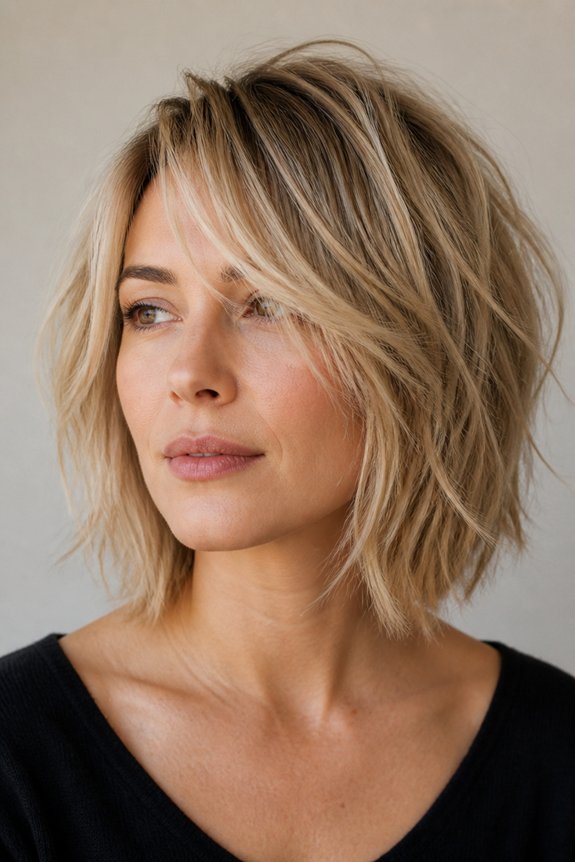
Worried a shag will make your fine hair look thinner? You’re not alone. The good news is that choppy layers actually work with fine hair, not against it. Point-cutting removes weight while keeping volume in all the right places, so your strands look fuller and bouncier.
Your stylist should use texturizing shears instead of regular scissors. This prevents that thin, blunt look that can happen with fine hair. Ask them to create clear separation between each layer. You’ll notice the difference immediately in how your hair moves and falls.
Keep your shag looking fresh with trims every four to six weeks. This stops scraggly ends from dragging your delicate strands down. Between appointments, use a volumizing mousse on damp roots and a lightweight styling cream. These products add texture without weighing you down.
Consider adding subtle highlights through the choppy sections. Balayage or face-framing highlights catch the light and give your hair real depth. You don’t need anything dramatic. Sometimes the smallest touch of dimension makes the whole style pop.
Soft, Textured Shag for Wavy Hair

Wavy hair and shag cuts are basically a match made in heaven. The layers work with your natural waves instead of fighting them, giving you that effortlessly tousled look without all the styling effort.
Before blow-drying, apply a lightweight texturizing spray to your damp roots. This builds volume while keeping things soft. Once you get to the mid-lengths and ends, a sea salt spray gives your waves better grip and definition. When you finish styling, use a diffuser attachment and scrunch upward to encourage your natural wave pattern.
Ask your stylist for longer layers that blend smoothly together. Point-cut techniques create softer edges than blunt lines, which means your waves flow better instead of looking choppy. Layers that encourage your wave pattern rather than interrupt it are what you’re after here.
Textured Shag for Thick Hair
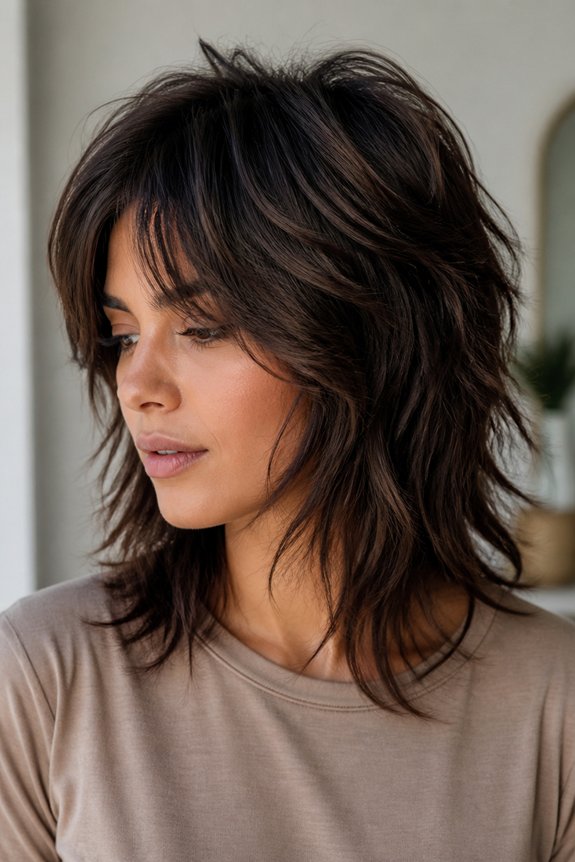
Does your thick hair feel heavy and bulky no matter what you try? The key is strategic layering, not removing all the bulk at once. Your stylist should use point-cutting techniques to create choppy, textured ends that work with your hair instead of against it.
Skip the razor and ask for texturizing shears instead. They create natural separation without harsh lines that can look choppy in a bad way. A deep side part helps show off the shag’s shape and structure beautifully.
Try sea salt spray or a lightweight pomade to define those layers without weighing everything down. Medium length hitting your shoulders gives you the perfect amount of hair to work with for layering. Subtle highlights around your face break up dense sections and add movement to the cut.
Shag With Curtain Bangs

Want a hairstyle that looks effortlessly cool without high maintenance? A shag cut paired with curtain bangs might be your answer. The bangs sweep away from your face while the layered sides blend seamlessly, giving you movement and dimension without the bulk.
Styling is simple once you get the routine down. Apply volumizing mousse to damp roots, then blow-dry your bangs away from your face with a round brush. This creates that signature parted look. The textured layers underneath should taper gradually so your hair feels light but still has body.
To really make this style pop, ask your colorist about subtle highlights along the face-framing pieces. This adds extra dimension that makes the cut stand out. Plan for a trim every six weeks to keep everything sharp and in shape. This style works for most hair types and gives you that versatile, modern vibe you’re probably looking for.
Blunt Shag for Straight Hair

Want a cut that looks sharp and modern without needing waves to work? A blunt shag is perfect for you. It combines clean lines with layered texture, giving your straight hair real dimension and movement. Each layer has defined edges that catch light beautifully, so the geometry of the cut does all the talking.
Getting the styling right makes all the difference. Start with a lightweight sea salt spray or volumizing mousse on damp roots, then blow-dry sections upward for lift. Once your hair is dry, work a texturizing paste through the mid-lengths to add separation and keep that clean look intact.
Keep up with trims every six weeks to maintain those sharp edges. Even small changes in length can shift how the whole style looks, so consistency matters. You’ll end up with a contemporary, effortless cut that feels both architectural and easy to wear.
Feathered Shag
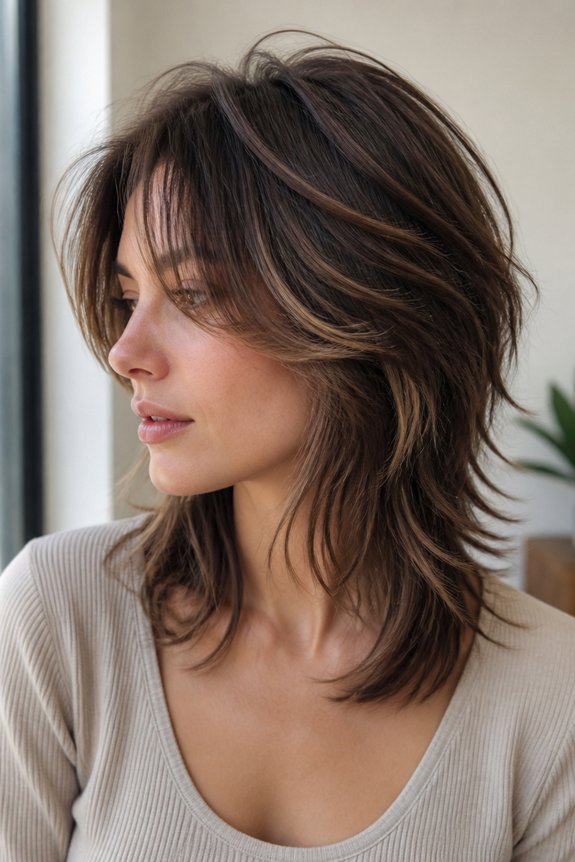
Want a haircut that looks effortless but actually takes skill to pull off? The feathered shag might be your answer. This style uses shorter layers on top that blend into longer lengths below, giving you movement and texture without looking choppy.
The secret is using texturizing shears instead of regular scissors. This creates softer edges that feel natural. Pair it with a lightweight styling cream or texture spray to bring out that feathered effect without making your hair look heavy.
Here’s the thing: this cut works on straight, wavy, and curly hair. Bring reference photos to your appointment so your stylist knows exactly how much texture and movement you want. Then come back every six to eight weeks to keep the layers looking sharp and prevent the style from getting flat and shapeless.
Shag With Face-Framing Layers
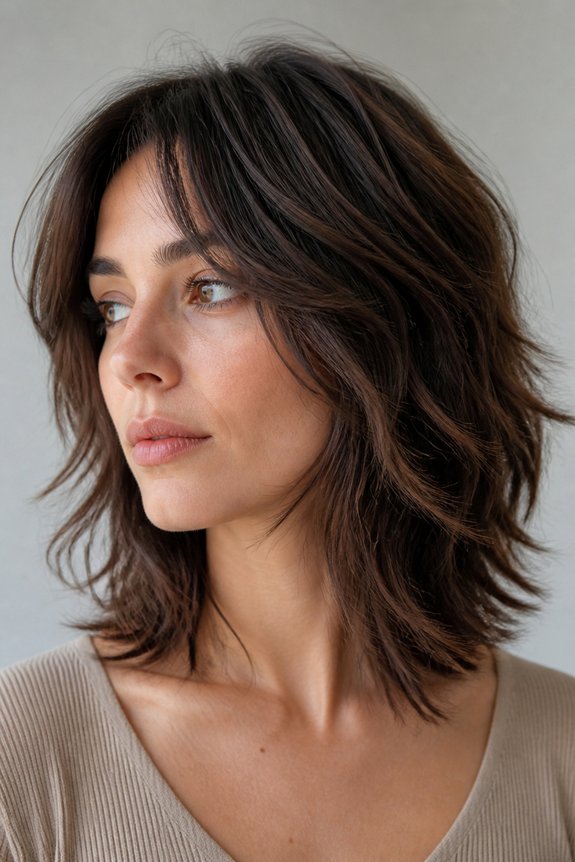
Want a shag that actually flatters your face? Try shorter, angled layers that sit right around your cheekbones. They work their way down from there, creating movement while softening your features at the same time.
The magic is in how these layers frame your eyes and cheekbones. Ask your stylist for texturizing shears instead of blunt cuts. This gives you natural movement rather than a stiff, choppy look. A lightweight styling cream keeps things defined without making your hair feel heavy or weighed down.
Plan to get trims every six to eight weeks. This keeps the shape intact and makes sure those layers do their job. The best part? You can style it however you want. Go tousled one day and sleek the next. Most face shapes work beautifully with this cut.
Tousled Shag for Curly Hair
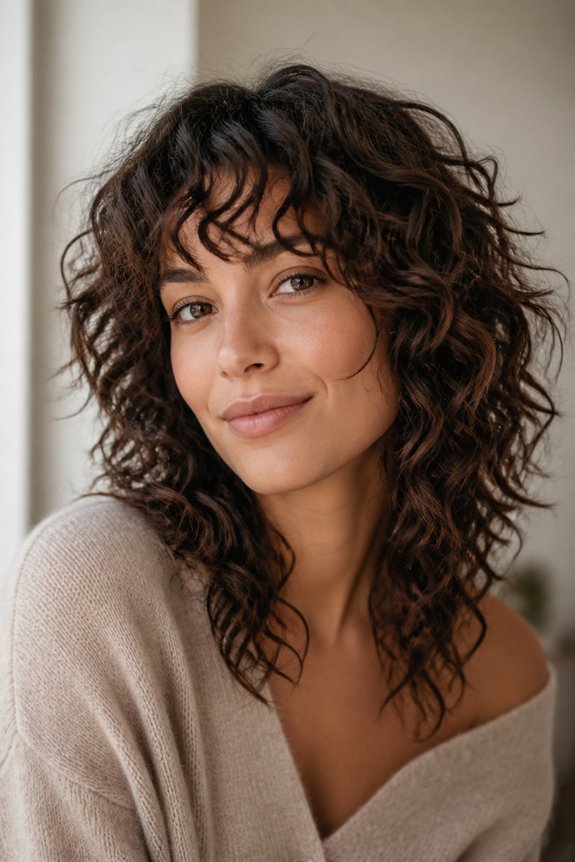
Ever feel like your curls get weighed down by too much hair? A shag cut is your answer. The layers work with your natural texture instead of against it, giving you movement that doesn’t demand hours of styling time.
Ask your stylist to use texturizing shears rather than regular scissors. This removes bulk while keeping your curls intact and bouncy. You’ll notice the difference immediately, especially at the crown where shorter layers add volume.
Your curl pattern deserves respect during the cut. Have your stylist work with dry hair so they can see exactly how your curls behave and land. This small choice makes a huge difference in how the final style looks on you.
Between salon visits, use a lightweight curl cream on damp hair before air-drying. Products designed for curl definition help control frizz without creating crunchiness. Book a trim every six to eight weeks to keep those layers fresh and prevent split ends from ruining your curl definition.
Messy Shag With Undercut Detail
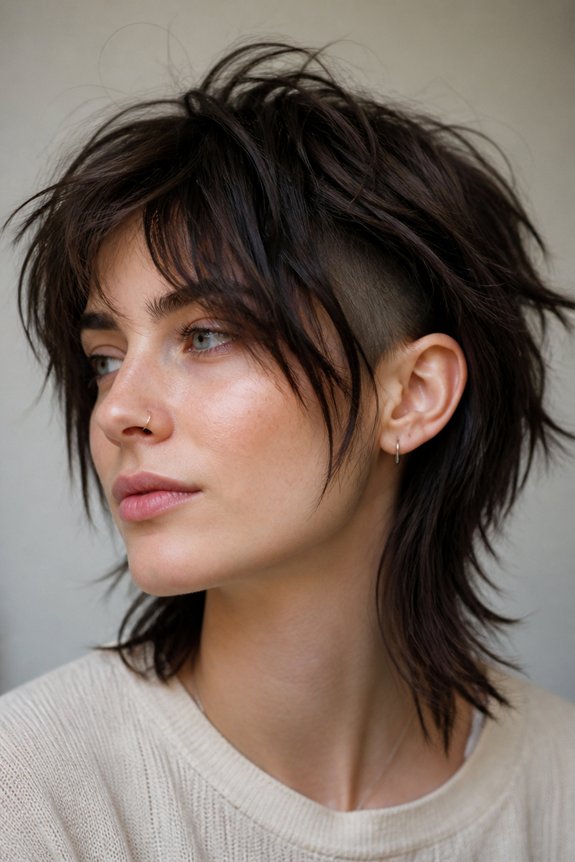
Want an edgy look that actually works with your natural texture? The messy shag with undercut gives you that intentionally tousled vibe without looking unkempt. Your stylist will combine choppy layers on top with closely cropped or shaved sides, creating real depth and movement.
The key is layering. Shorter pieces around your face add dimension while longer strands in front keep things soft and wearable. Sea salt spray or matte clay pomade will amp up that textured, effortless feel you’re going for. Just remember: this style needs a trim every four to six weeks to keep those undercut edges sharp and layers looking fresh.
Shag With Highlights
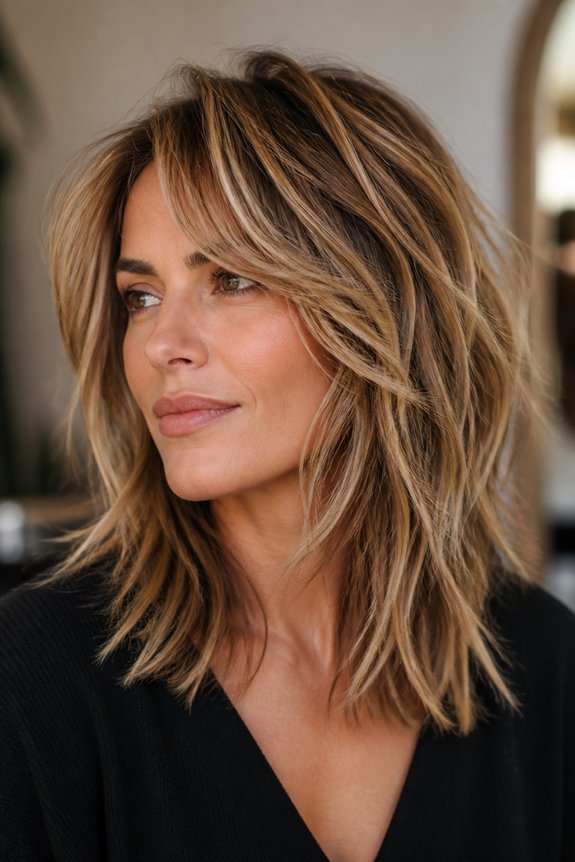
Want your shag to look fuller and more intentional? Adding dimensional color is the game-changer you need. Highlights placed throughout your layers create movement and depth that makes the cut shine.
Babylights with darker roots are your low-maintenance friend. They blend naturally as your hair grows out. Caramel and honey tones catch the light beautifully on medium-length shags, especially when placed on those choppy shorter layers.
Balayage is your best technique here. It avoids that striped look you get with traditional foils. Copper, honey, and ash tones all work well, depending on your skin tone.
Keep your highlighted shag looking fresh with the right products. A purple-toning shampoo stops brassiness in its tracks. Deep condition regularly to keep your color vibrant and those textured layers soft and easy to style.
Long-Layer Shag
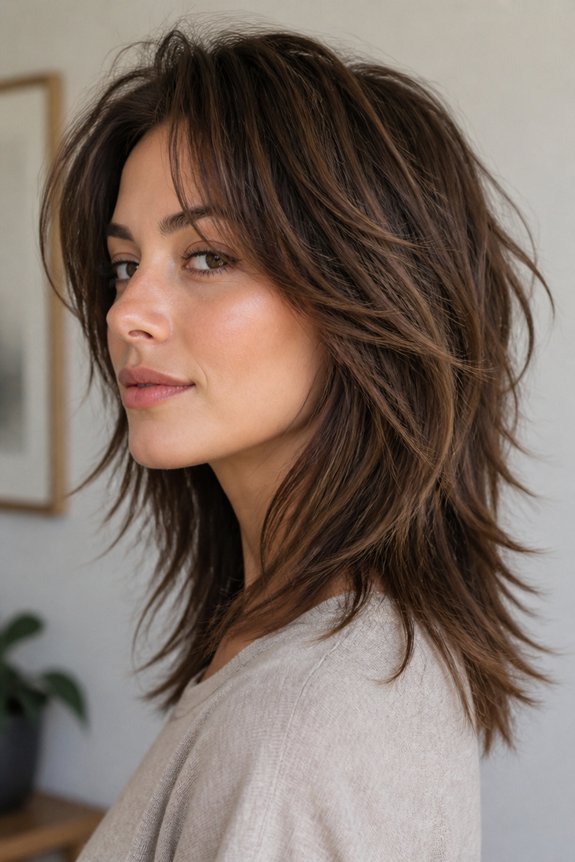
Want a haircut that looks effortlessly cool without demanding hours of styling? The long-layer shag might be your answer. This style stretches the textured appeal of shorter shags into medium-length hair that falls between your chin and shoulders, giving you serious movement and versatility.
Your stylist cuts graduated layers throughout your hair so each section can move on its own. The result is natural texture that frames your face while keeping the overall shape intact.
Getting this look right means using the right tools and products. Your stylist will use texturizing shears to remove bulk while keeping your length. Apply volumizing mousse to damp roots for lift, then use texturizing spray to define individual strands. A lightweight hair oil adds shine without flattening those layers.
The beauty of this cut? It works on different hair types when tailored properly. You’ll need trims every six weeks to keep the definition sharp and prevent it from looking shapeless.
Asymmetrical Shag

Want an edgy look that feels modern and intentional? An asymmetrical shag gives you exactly that. One side is noticeably shorter, grazing your ear, while the other sweeps past your shoulder. This contrast creates movement and personality that a traditional shag just can’t match.
Your stylist will use texturizing shears to build layers throughout, skipping any blunt lines. Shorter layers on top give you volume while longer pieces underneath keep things flowing. A lightweight texturizing spray like Oribe Dry Texturizing Spray brings out that piece-y, lived-in texture you’re after. Side-swept bangs take the asymmetrical vibe even further.
This cut works on different hair types, but wavy or curly hair really shows off the dimension. Keep in mind you’ll need to style it daily to get the best results. Plan for trims every four to six weeks so the shape stays sharp and intentional.
Shag With Shorter Crown
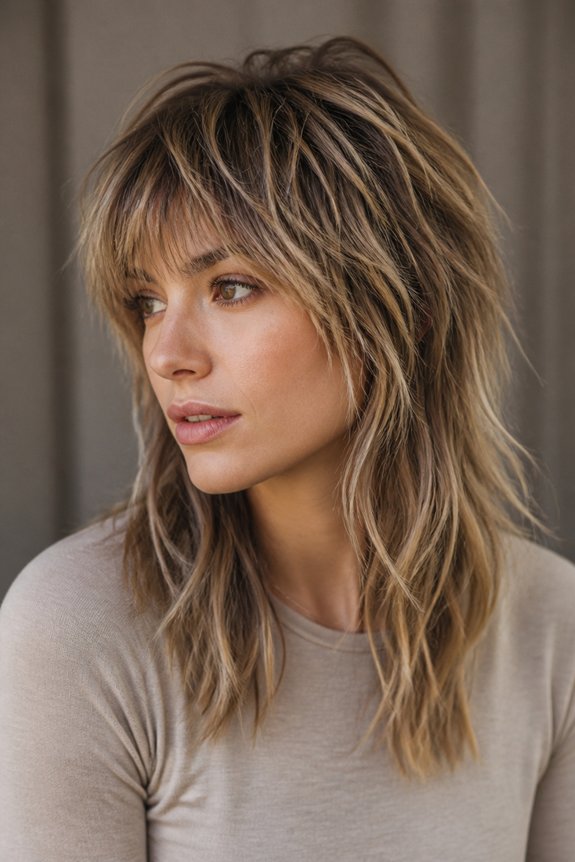
Want instant volume without spending an hour styling? A shorter crown is your answer. This cut works by keeping the top layers significantly shorter than the longer pieces underneath, giving you lift right where you need it most.
The magic happens when your stylist creates choppy, textured layers through that shorter crown. These layers catch light beautifully and require way less effort to maintain. Your roots need minimal product, and you get maximum movement all day long.
Here’s the easy styling trick: apply a lightweight texturizing spray to damp roots before blow-drying. Then finger-comb through your crown as it dries. That’s it. You’ll get natural separation and movement without the fuss.
This cut looks especially great if you have a round face or fine hair. The shorter crown lifts everything up and creates the illusion of thicker, fuller hair. You get modern edge with a cut that actually works for your lifestyle.
Textured Shag for Wavy Hair

Do you spend time trying to straighten or tame your waves? Stop. Your natural texture is your biggest asset. A textured shag works with your waves instead of against them, giving you movement and dimension without the daily battle.
Choppy, uneven layers are your friend here. They break up your hair’s weight and let those waves do their thing. Ask your stylist to keep shorter pieces around your face and longer ones at the ends. This framing makes your features pop while maintaining the length you want.
Here’s the real magic: product. Sea salt spray and lightweight mousse bring out your wave pattern and add definition. You don’t need much, just enough to enhance what’s already there. Side-swept bangs work perfectly too because they add style without requiring you to blow-dry every morning.
Keep up with trims every six weeks. This prevents your shag from looking shaggy in the wrong way and keeps that intentional shape alive. Your waves will thank you for the maintenance.
Styling Your Shag: Daily Maintenance Tips
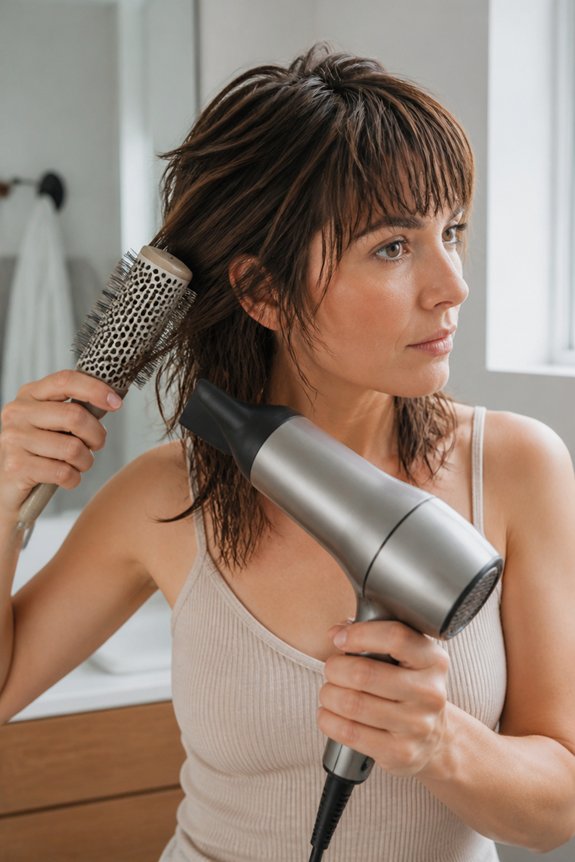
Want your shag to look fresh and intentional every single day? Start with damp hair and spray texturizing product onto your roots. This gives you volume without making your hair feel stiff or heavy.
Blow-dry with a diffuser while scrunching your sections upward. This creates that natural, piece-y look you’re going for. Once it’s dry, work a texturizing paste or sea salt spray through your mid-lengths and ends using just your fingers. Avoid your scalp so you don’t end up with greasy roots.
On day two, your shag can still look great without much effort. Hit your roots with dry shampoo and a light spray of texturizer. Skip heavy oils and reach for a volumizing mousse instead, especially one made for layered cuts. Keep your scissors handy too. A trim every six to eight weeks keeps your shag looking sharp and prevents it from getting too bulky.
Frequently Asked Questions
How Often Should I Get My Shag Haircut Trimmed to Maintain Its Shape?
One should schedule shag haircut trims every 6 to 8 weeks to maintain ideal shape and texture. Regular maintenance prevents the layers from becoming overgrown and helps preserve the distinctive movement and definition that characterize this dynamic hairstyle.
What Products Work Best for Styling and Defining Texture in Shag Haircuts?
Texturizing sprays define layers, sea salt sprays enhance movement, and lightweight mousses add volume. Matte clay products work well for separation, while dry shampoos provide grip and texture. These products help clients achieve the desired shaggy, tousled appearance.
Can Shag Haircuts Work for People With Extremely Short Hair or Pixie Cuts?
Shag haircuts can adapt to pixie cuts by incorporating layered texture and choppy lengths. However, extremely short hair limits the movement and dimension shags typically showcase, making traditional shags less effective than standard pixie styling approaches.
How Do I Style My Shag if I Have Very Fine, Delicate Hair?
One should use lightweight styling products and avoid heavy creams. A texturizing spray or dry shampoo adds volume without weighing delicate strands down. Finger-styling rather than brushing maintains movement, while regular trims keep the cut looking fresh and bouncy.
What Is the Cost Difference Between a Shag and Traditional Layered Haircuts?
Is the price tag truly different? Generally, shags and traditional layered haircuts cost similarly, ranging $40-$150 depending on salon location and stylist expertise. The distinction lies not in price but in technique complexity and styling maintenance requirements clients must consider.
Conclusion
Medium-length shags reign supreme as the ultimate hair revolution. Their transformative layering creates impossibly voluminous texture that defies gravity itself. Whether fine, thick, or wavy, every hair type discovers its perfect match within shag variations. Texturizing sprays amplify this effect exponentially. The versatility proves virtually limitless—casual mornings transform into chic evenings effortlessly. Maintenance remains pleasantly minimal. These cuts represent the pinnacle of modern, low-effort sophistication.