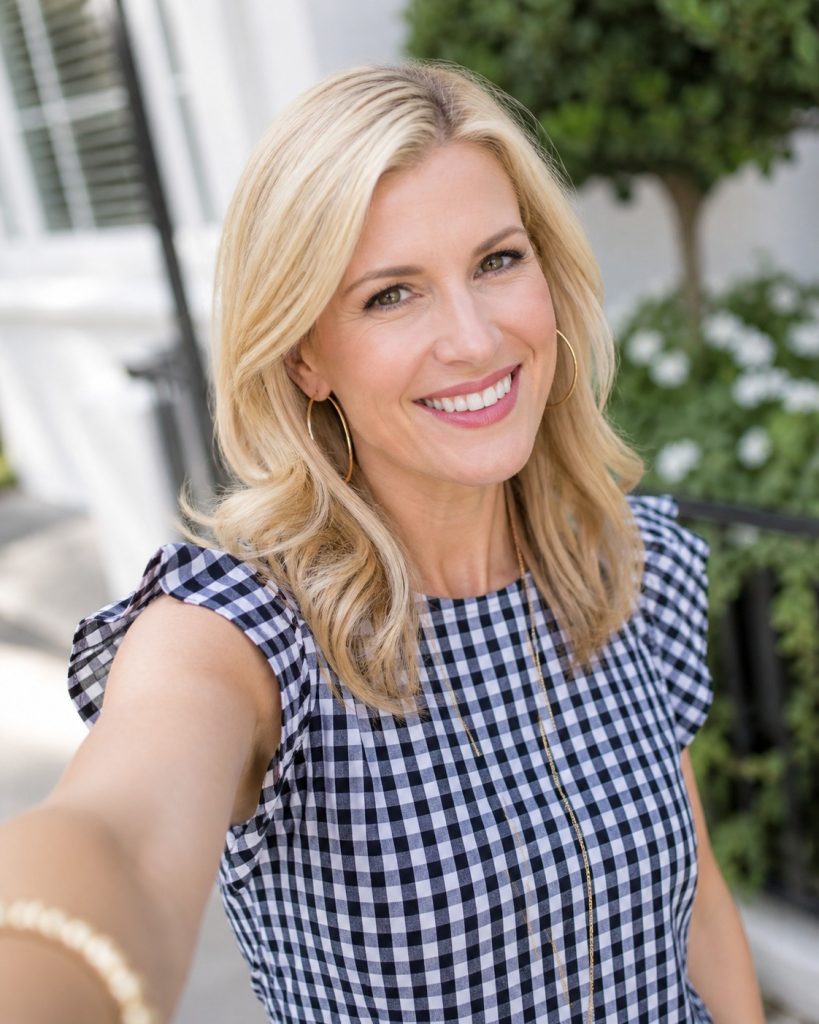
Fine hair over 60 comes with its own set of rules. And the first one is knowing that the right short cut changes everything.
Length weighs fine hair down. Cut it shorter and suddenly you have movement, body, and a style that actually holds through the day.
This is not about working around your hair. It is about finally working with it in a way that flatters rather than frustrates.
Short styles give fine hair the lift it has always been capable of. All it needed was a cut clever enough to unlock it.
These 16 hairstyles were chosen with exactly that in mind. Each one proves that fine hair over 60 is not a limitation. It is a starting point.
How to Choose: Face Shape, Maintenance, and Your Lifestyle
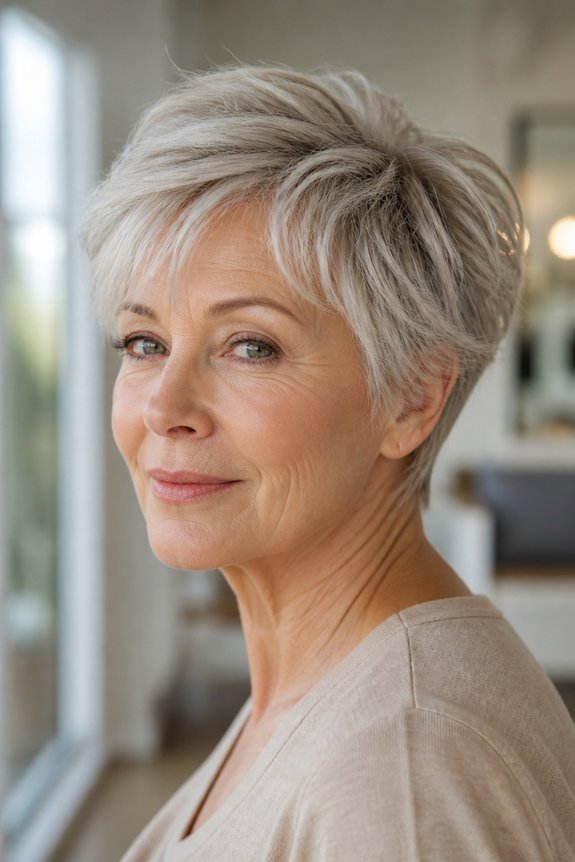
You’ve stared at your reflection after a bad haircut. You know that sinking feeling.
Picking a short style isn’t just about copying a celebrity photo. You need to think about your actual face, your patience for upkeep, and how you really spend your mornings.
Your face shape changes everything. Round faces come alive with textured pixies that build height up top. Strong jawlines soften beautifully with layers that catch light and create movement. Angular faces find balance in sleek bobs with gentle, sweeping bangs.
Your maintenance tolerance matters just as much. Fine hair needs airy products—think mousses and light sprays that lift without dragging strands down. Plan on salon visits every month or so. Short cuts grow out fast, and shape disappears quickly when left too long.
Your daily routine seals the deal. You gym before work at 6 AM? Skip anything needing blow-drying and three products. You enjoy twenty minutes of styling with coffee? Then polished, high-maintenance styles can absolutely work for you.
Match the cut to your real life, not your fantasy life.
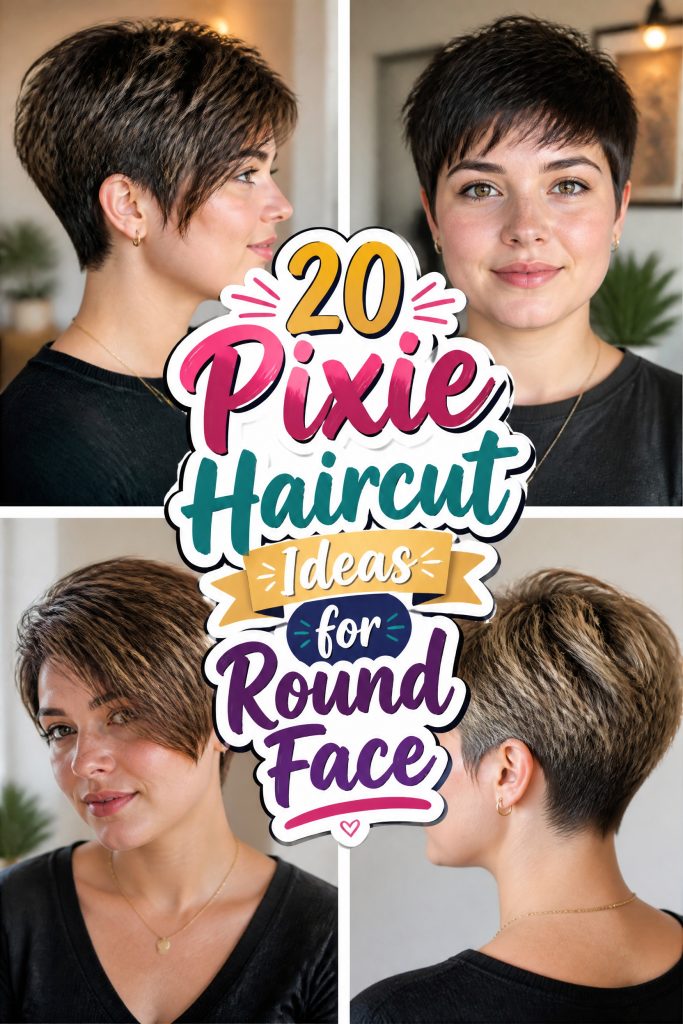
Pixie Cuts: Timeless and Volume-Building
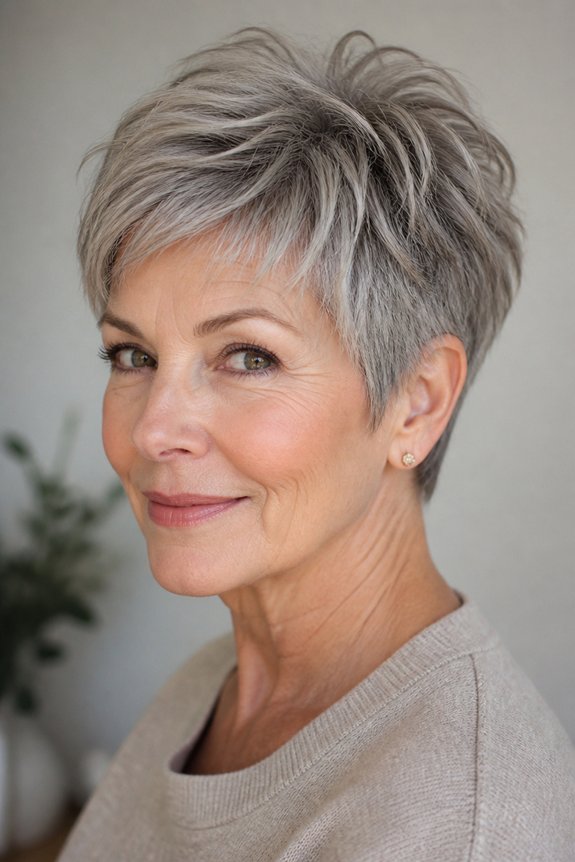
Ready for a change that actually works with your hair, not against it?
Pixie cuts could be your answer. They build instant volume right where you need it—at the crown. That’s game-changing for fine or thinning hair.
Ask your stylist for choppy, graduated layers. These add dimension without weighing anything down. You want texture, not bulk.
Your product routine matters more than you think. Work a volumizing mousse through damp roots. Blow-dry upside down for extra lift. Lightweight texturizing sprays keep things bouncy all day.
Yes, you’ll need trims every four weeks. That’s non-negotiable. But the payoff? A style that frames your face, shows off your features, and takes five minutes to style. Side-swept bangs give you options. Longer top layers let you switch things up.
Confidence and practicality—finally together.
Feathered and Side-Swept Pixies: Flattering Angles for Every Face
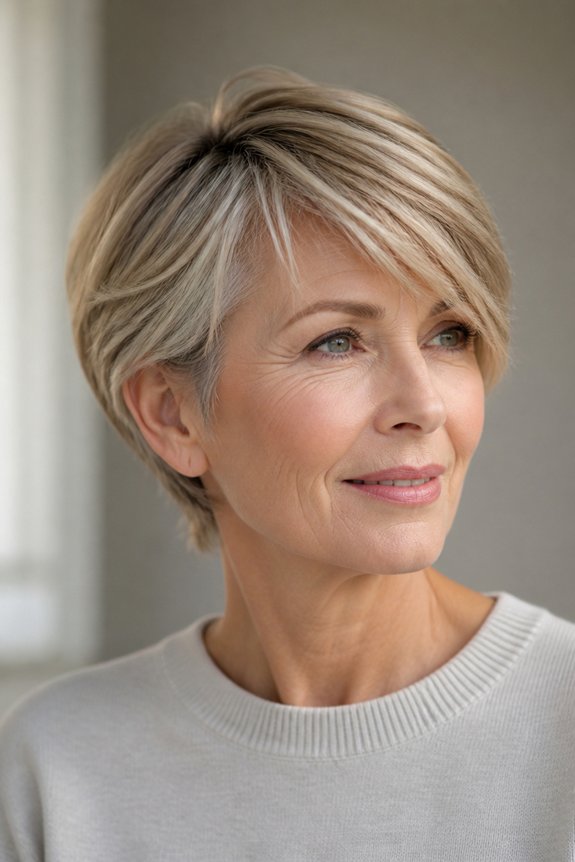
Not sure if a pixie cut will work for you? Two simple techniques—feathering and side-sweeping—let you customize the cut to your face shape and hair type.
Feathering adds texture through shorter layers cut throughout your hair. This creates movement without bulk. It works especially well if you have fine hair that tends to look flat. You get dimension and lift without heaviness.
Side-swept pixies pull hair away from your face, highlighting your cheekbones and jawline. Ask your stylist for longer length on one side that tapers toward the back. Height at the crown flatters round faces. Softer, swept-forward sections balance angular features.
Your styling products make a real difference. Apply volumizing mousse to damp roots before blow-drying for lift. Use lightweight texturizing spray on dry hair to define feathered layers. Skip heavy products that weigh your hair down.
A good stylist will study your features and texture before cutting. Bring photos. Ask questions. The best pixie is one built specifically for you.
Undercut Pixies: Edgy Style With Hidden Fullness
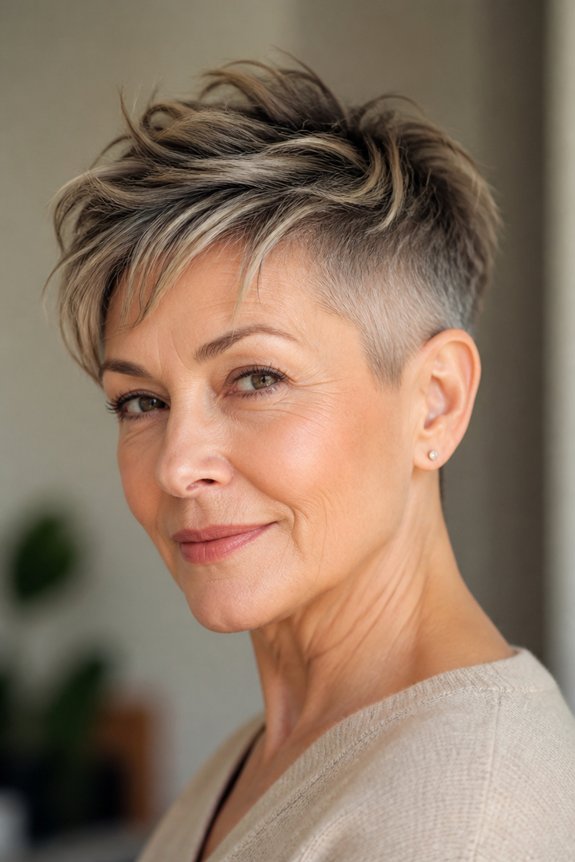
Ready for something bolder than a classic pixie? An undercut pixie might be your answer.
You keep the length on top where you want fullness. The sides and back get trimmed or shaved super short. That contrast tricks the eye into seeing more volume where your fine hair needs it most.
This cut works especially well if you’re dealing with mature hair changes. Your mornings get easier since those short sides barely need styling. The crown stays textured and full of dimension. Ask your stylist for disconnected layers up top. You’ll get lift without that heavy, helmet-like bulk.
Try volumizing products like Olaplex No. 4 Shampoo to plump up fine strands even more.
Got an angular face shape? This edgy style frames it beautifully. Want to take it further? Try color blocking. Keep the undercut darker and highlight the crown. You get modern edge plus practical maintenance that actually fits your life.
Classic Bobs: Structure Without Bulk
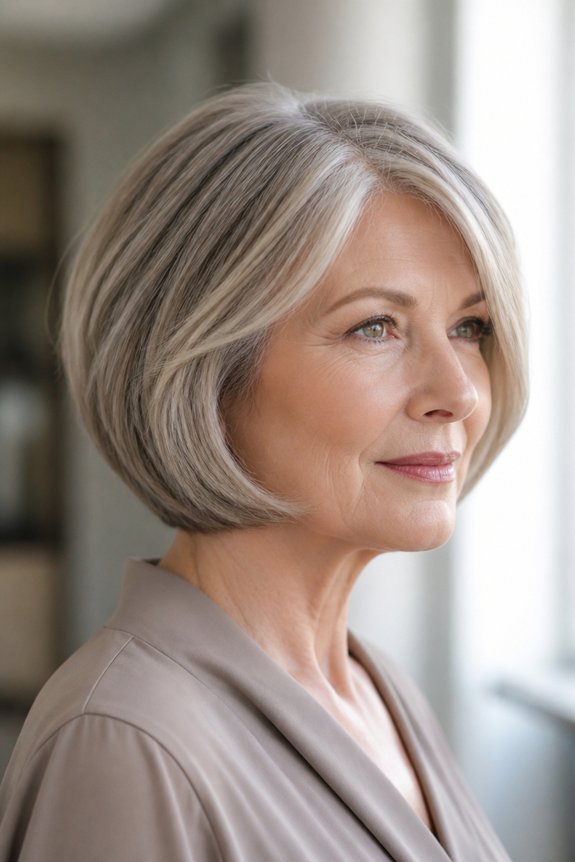
Tired of your fine hair falling flat by noon? The classic bob might be your answer. This cut gives you structure without the heaviness that drags thin strands down.
Chin-length is the sweet spot. It builds natural lift at your crown while keeping things easy to manage. Ask your stylist for light layers around your face. They add movement and stop that dreaded limp look.
Your styling routine matters more than you think. Work volumizing mousse into damp roots before you blow-dry. You’ll get lift that actually lasts. Follow with texturizing spray for grip—no greasy residue. Finish with something lightweight to hold the shape without that helmet feeling.
Color can be your secret weapon. Face-framing highlights do double duty. They brighten your skin and make hair look thicker. Strategic placement breaks up flat, solid color and creates the illusion of fullness.
The best part? Daily upkeep is minimal. Finger-tousle in the morning. Add a spritz of product if needed. Book trims every four to six weeks to keep that crisp, intentional shape.
Layered Bobs: Texture and Movement
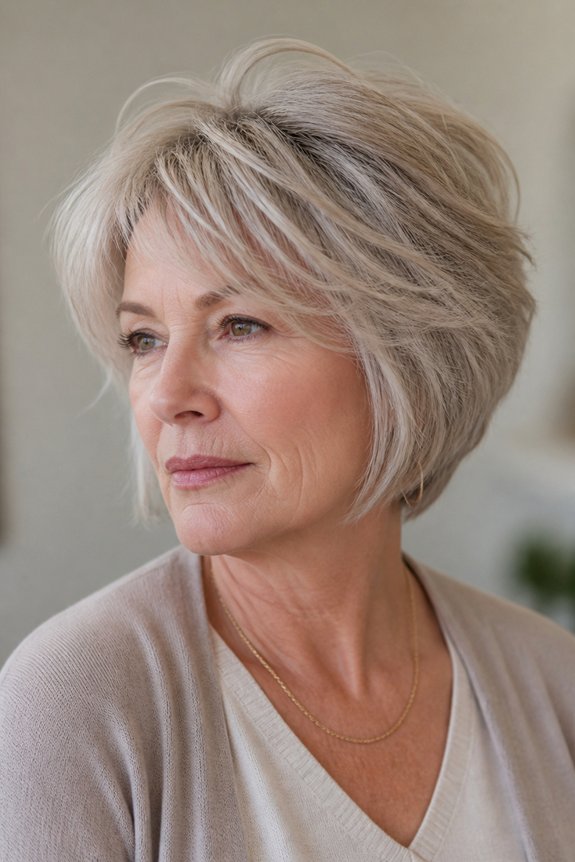
Tired of your fine hair falling flat against your face? Layered cuts can change everything.
Shorter layers at the crown lift your roots immediately. Longer pieces around your face add that swingy movement you’re missing. Suddenly your hair looks fuller without any magic tricks.
Ask your stylist for choppy layers, not blunt ones. Blunt cuts can make fine hair disappear. Point-cutting techniques keep your ends textured without wasting a single strand.
At home, grab a lightweight volumizing mousse. Tresemmé and Pantene Gold Series both work great. Blow-dry with a round brush, pushing your layers upward as you go.
The payoff? Hair that moves like it has twice the density.
Choppy and Tousled Styles: Texture That Hides Thinning
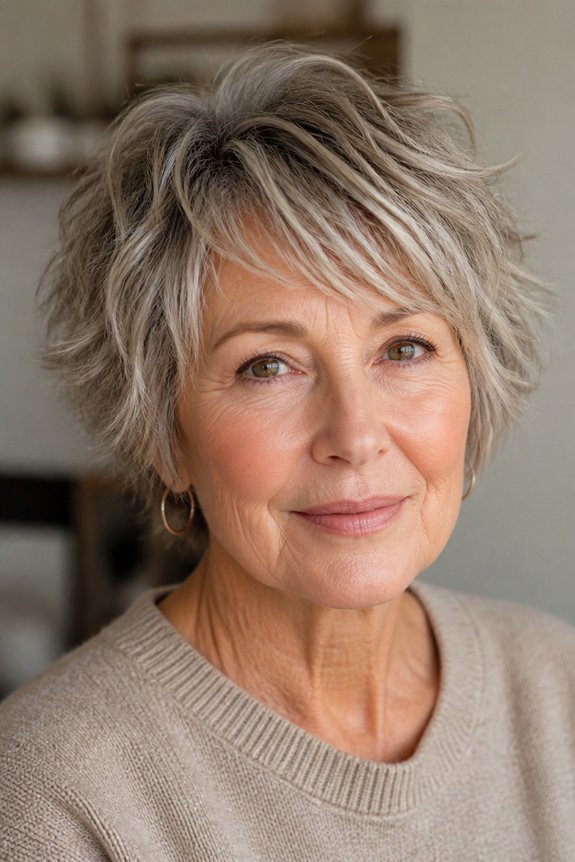
Ready to add some edge to fine hair? Choppy texturing breaks away from smooth, blended layers. It creates density where you don’t have it.
Here’s how it works. Disconnected sections catch light differently. Your strands look fuller instantly. Stylists use point-cutting or razors to build this texture on purpose.
Style it right and you’re golden. Work texture paste through damp roots. Layer on volumizing spray. These products grip your hair and keep pieces separated. No more flatness. No more limp strands.
Celebrity stylist James Vincent puts it simply: choppy cuts fake density through texture, not actual volume. The best part? Tousled styles need almost zero effort. Finger-comb with lightweight products. Done.
Wispy Bangs: Youthful Framing With Minimal Weight
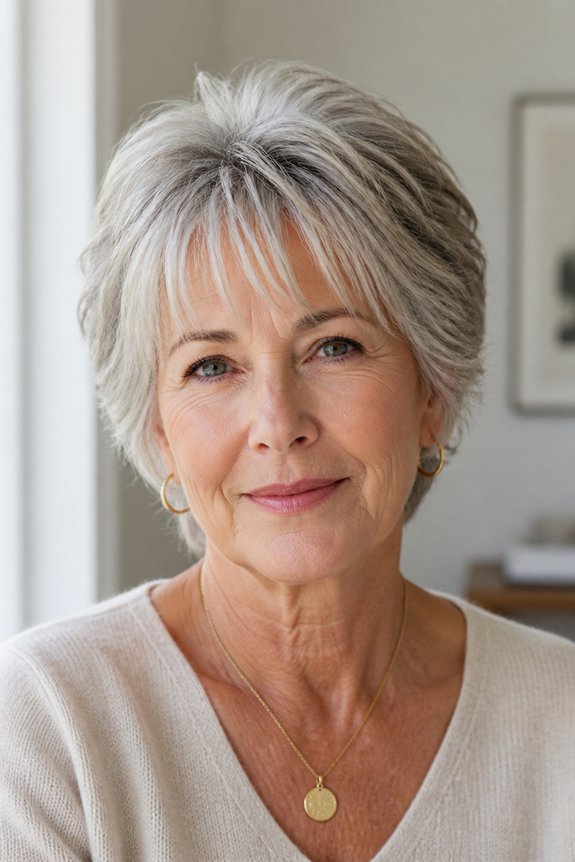
Looking for a change that won’t weigh you down? Wispy bangs might be your answer. They’re feather-light and gentle on aging faces. You get that soft framing without any heavy bulk.
Fine hair loves this cut. Ask your stylist for soft, choppy layers instead of blunt edges. You’ll see natural movement and dimension right away.
Keep your styling light too. A volumizing spray or mousse works wonders. Try something like Olaplex Volumizing Blow Dry Mist for texture that stays bouncy. Pair your bangs with subtle highlights if you want extra brightness.
Wear them swept to the side or parted down the middle. Either way flatters your features. Heart-shaped and oval faces especially shine with this look.
Mark your calendar for trims every four weeks. Those delicate pieces need attention to stay fresh. The payoff? A modern, youthful refresh that feels totally doable.
Tapered Nape Cuts: Defined Shape, Easy Maintenance
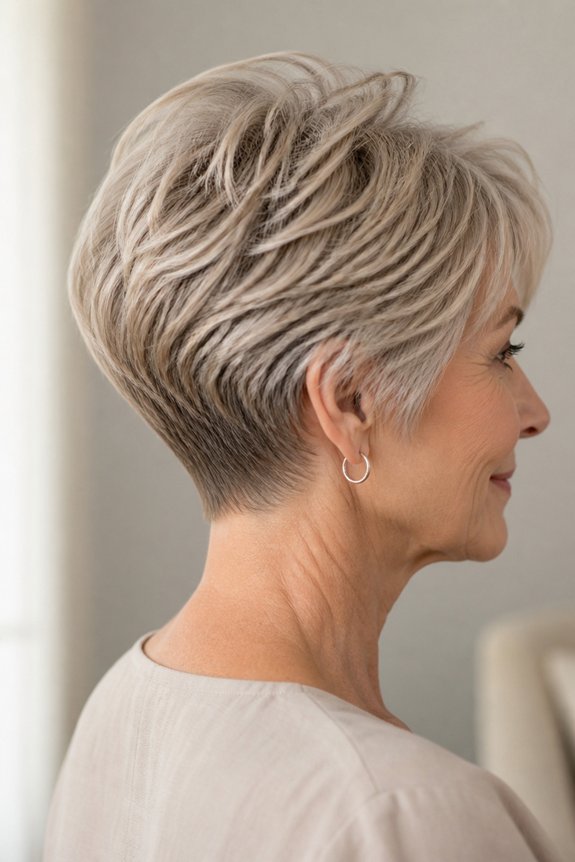
Not ready for bangs? A tapered nape cut gives you that polished look without the daily hassle.
Shorter layers sit right at the back of your neck. They create clean lines that frame your face. The technique removes bulk from fine hair while keeping volume where you actually want it.
Ask your stylist for gradual tapering, not blunt edges. This prevents wispy flyaways and keeps everything looking intentional. Book appointments every six to eight weeks to maintain that crisp shape.
Styling is simple. Work a volumizing mousse through damp roots. Finger-comb while air-drying for natural texture. Finish with a light hairspray to hold the style without weighing delicate strands down.
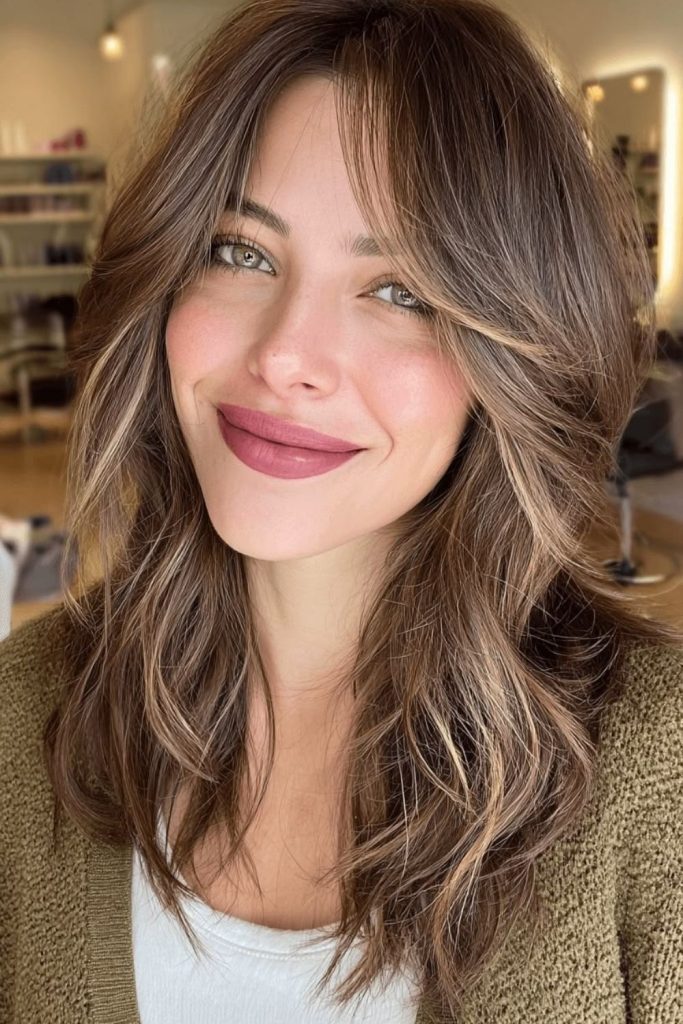
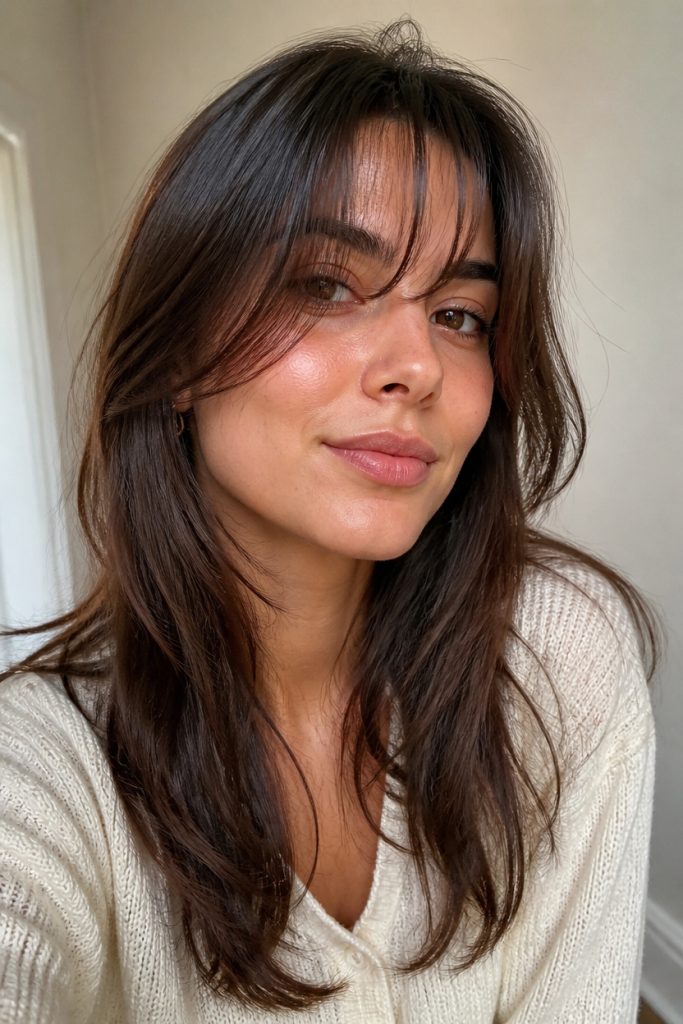
Shag Cuts: Modern Movement for Fine Hair
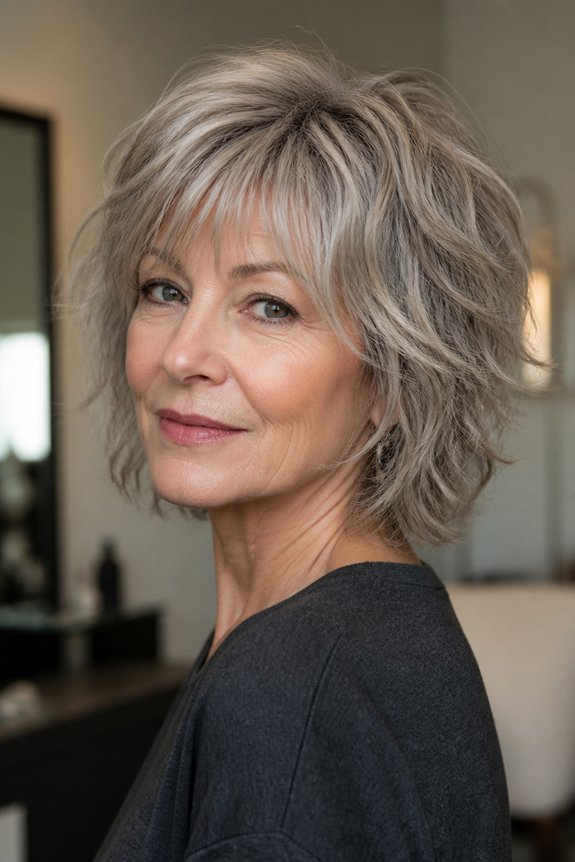
Tired of your fine hair falling flat no matter what you try? A modern shag might be your answer.
You get instant texture without sacrificing length. Shorter layers on top lift your roots and create volume right where you need it. Longer pieces underneath keep things flowing and feminine. The choppy sections move naturally—no heavy bulk dragging you down.
Here’s what makes it work for you. Ask your stylist to layer strategically, not excessively. Too many layers leave you looking wispy and thin. Blow-dry with a round brush to boost that root lift. Work a volumizing mousse through damp hair, then finish with a texturizing spray or paste for piece-y separation.
Keep your cut sharp with trims every four to six weeks. Celebrity stylist Jonathan Colombini notes that shags balance movement with structure—exactly what delicate hair needs to look full and modern.
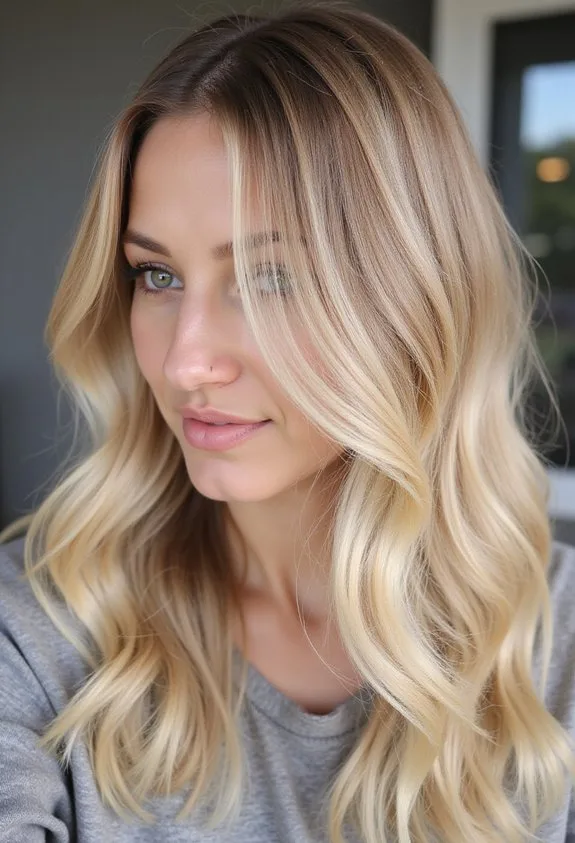
Soft Curls and Waves: Adding Body to Straight Hair
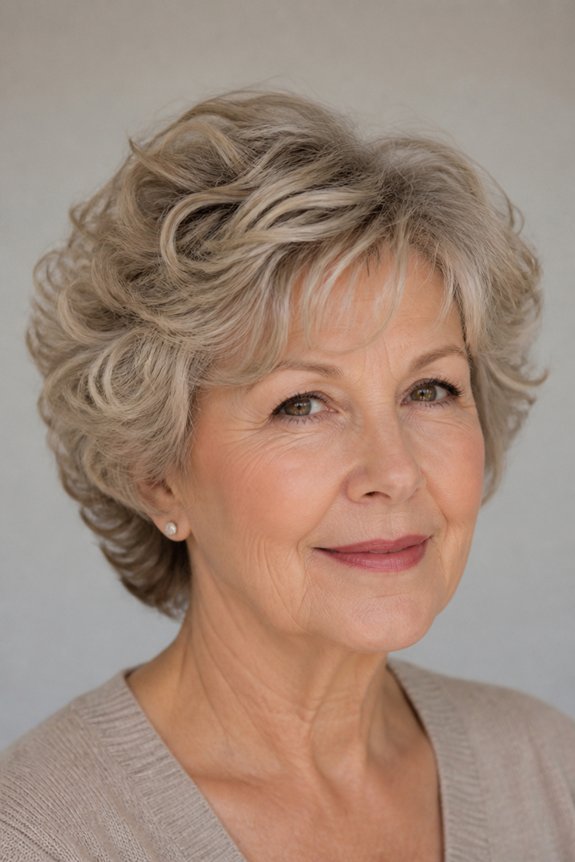
Want more life in your straight, fine hair? Soft curls and waves give you that fullness without weighing you down.
Start with the right products. Lightweight curl creams work wonders. Sea salt sprays add grip and texture. Your stylist might suggest a gentle perm made just for fine hair. It lasts and keeps damage minimal.
Ask about subtle highlights too. They play with light and shadow, making your hair look instantly thicker. Pair them with beach waves, especially if you keep your hair on the shorter side. The volume sits right where you want it—at the crown.
Asymmetrical Cuts: Modern Shape With Strategic Angles
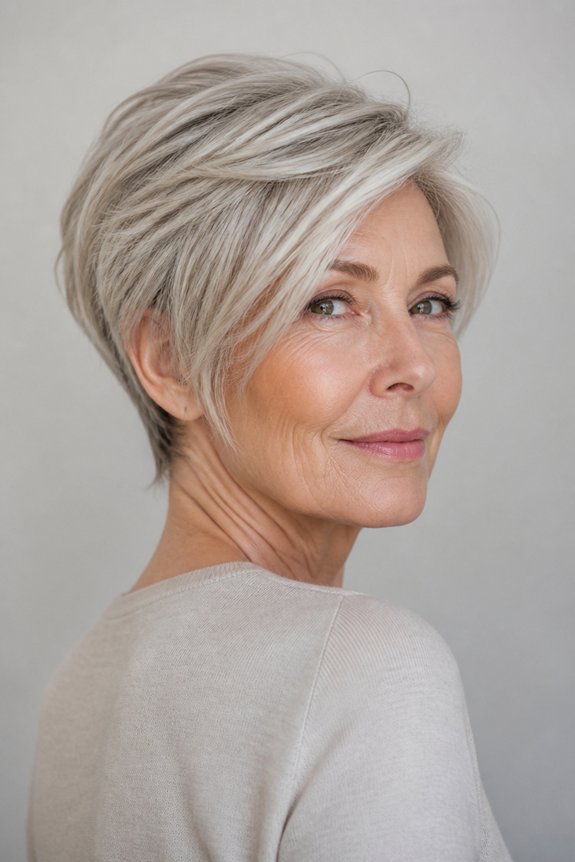
Tired of flat lifeless hair that falls limp by noon? An asymmetrical cut might be your answer.
You get instant dimension without trying too hard. One side stays shorter framing your face. The other side flows longer adding movement and interest. Fine hair loves this approach. Strategic layering keeps things light instead of bulky.
Your mornings just got easier. The shorter side needs almost no styling. For the crown area ask your stylist to go shorter. This builds volume right where you need it most.
Work with damp roots. Massage in volumizing mousse before blow-drying. You’ll enhance the cut’s natural shape without fighting it. The longer side tucks behind your ear. Or sweep it across for a different look.
Stay sharp with trims every four to six weeks. Your angles stay precise and flattering. No grown-out uneven moments. Small investment big payoff.
Slicked-Back Crops: Sleek Elegance for Any Occasion
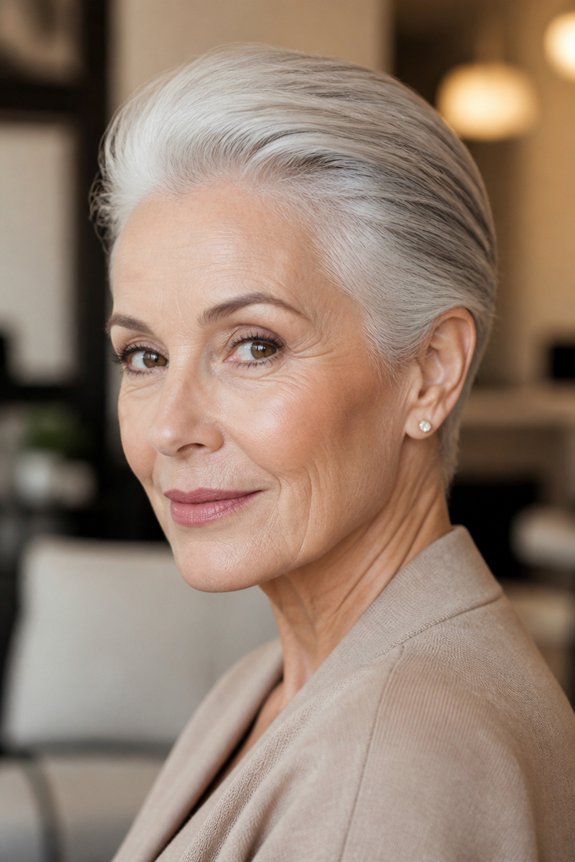
Tired of fighting with your fine hair every morning? Slicked-back crops might be your answer. You get polish without the hassle. The cut removes bulk and puts your bone structure front and center.
Ask your barber for precise tapering at the sides and back. Keep the top short—one to two inches max. This stops delicate strands from going flat. A texturizing razor adds movement so you avoid that helmet look fine hair can get.
Style it while damp. Work in a lightweight pomade or matte cream. Comb straight back and let your natural texture peek through. The magic is in the minimalism. You’re not hiding your hair—you’re letting it work for you.
Book trims every four weeks. Shape matters here, and clean edges keep everything sharp.
Blunt Crops: Sophisticated and No-Fuss
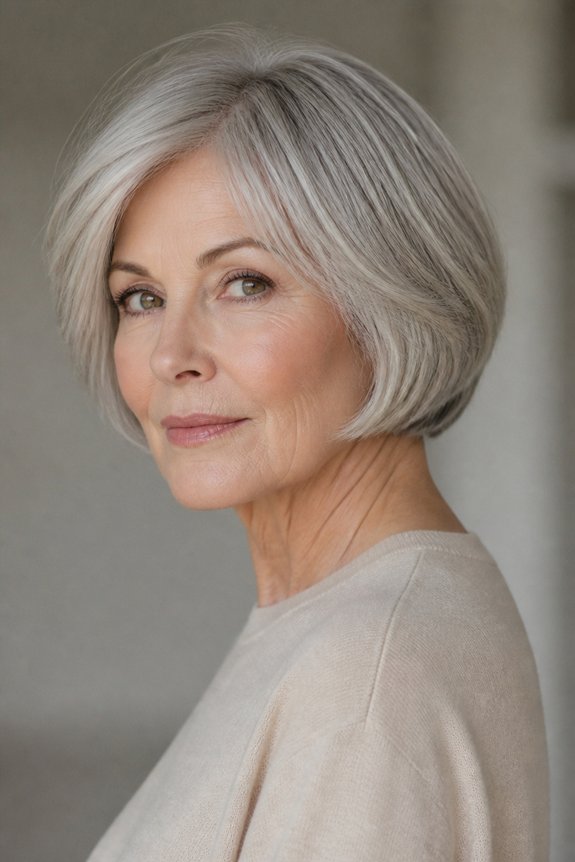
Ready for a change that actually works with your hair, not against it? A blunt crop might be exactly what you need. This cut gives you sharp, straight edges that instantly polish your look. You get clean lines framing your face without any complicated layering to manage each morning.
You will love this style if your hair is getting finer with age. The solid perimeter creates an illusion of density your strands appear thicker than they really are. Maintenance stays simple too. Book a quick trim every week or two to keep those edges crisp.
Styling takes minutes, not hours. Work a golf-ball sized amount of lightweight mousse through your damp roots. Blow-dry with a round brush, lifting slightly at the crown for gentle height. Want more movement? Mist a texturizing spray through the ends. That is it.
Celebrity stylist Marcus Webb notes that the geometric shape flatters mature bone structure beautifully. Plus, removing those wispy, damaged ends gives your hair a healthier appearance immediately.
Consider asking your colorist for subtle highlights around your face. These brighten your complexion and emphasize the cut’s clean architecture without requiring bold all-over color.
Short Styles by Hair Texture: Straight, Wavy, and Curly

You’ve probably noticed that what looks amazing on someone else falls flat on you. That’s texture talking.
Straight hair? It loves texture. Ask your stylist for piece-y layers and side-swept bangs that keep things moving. Work a golf ball-sized amount of volumizing mousse through damp roots. You’ll get lift without the crunch.
Wavy hair wants to do its own thing. Let it. A choppy, uneven cut brings out that natural movement you already own. Smooth a lightweight cream through mid-lengths while damp. Your waves stay defined, never stringy.
Curly hair needs length control. Go shorter to skip the pyramid effect that kills your shape. Load up on curl-specific products. Flip your head upside down and diffuse. You’ll get spring and volume in all the right places.
One last thing: fine hair, any texture. Layers are your friend. They remove weight while keeping the look full. You’re working with your hair now, not fighting it.
Styling and Maintenance: Making Your Cut Last Between Salon Visits

You know that moment when your fresh cut starts losing its shape? Don’t let it slide. Book trims every four to six weeks. Your fine hair depends on this rhythm to stay sharp and split-end free.
Lightweight products are your best friends here. Skip the heavy creams—they’ll crush your volume before noon. Grab a texturizing spray instead. It adds life without the weight.
Here’s the blow-dry trick that works: round brush at the roots, then hit it with cool air. That lift stays put. Your cut looks intentional, not accidental.
Wash with moisturizing formulas made for fine hair. They stop breakage before it starts. Treat yourself to a weekly deep condition. Your strands will bounce back like you just left the chair.
Frequently Asked Questions
How Often Should Women Over 60 With Fine Hair Get Haircuts to Maintain Volume?
Women over 60 with fine hair should get haircuts every four to six weeks to maintain volume and prevent hair from appearing flat or limp. Regular trims remove weight, encourage fullness, and keep shorter styles looking fresh and intentional.
What Products Work Best for Styling Fine Hair Without Weighing It Down?
Volumizing, lightweight lotions and sprays serve splendidly for fine hair. Mousses and texturizing products provide grip without heaviness. Avoid thick creams and oils. Volumizing shampoos and conditioners, plus dry shampoo, boost body beautifully.
Can Coloring or Highlights Make Fine Hair Appear Thicker and Fuller?
Yes, strategic coloring and highlights can create an illusion of thickness. Dimensional highlights add depth and movement, making hair appear fuller. Darker roots with lighter ends provide contrast that enhances volume perception considerably.
How Do I Add Texture to Naturally Straight Fine Hair Without Damage?
When it comes to adding texture, one shouldn’t put all eggs in one basket. Layered cuts, salt-spray products, and gentle braiding techniques work effectively. Avoid heat styling and chemical treatments. A skilled stylist can create movement through strategic cutting alone.
What Styling Tools Are Safest for Delicate, Fine Hair Over 60?
Ionic blow dryers with cool settings, ceramic flat irons on low heat, and soft-bristled brushes are gentlest options. One should avoid metal tools and prioritize heat protectant products to minimize breakage and damage to fragile strands.
Conclusion
A woman’s hair transformation mirrors a garden’s seasonal shift. Just as spring pruning encourages new growth, regular trims every 4-6 weeks stimulate fullness in fine hair. Lightweight volumizing mousses and texturizing sprays work like water and sunlight, nourishing strands without weighing them down. The right short style—whether pixie, bob, or crop—becomes the framework supporting this renewal, proving that sophistication and energy flourish together.